
Comparisons
Board and train vs a dog behaviourist
When a dog's behaviour starts to worry you, the search results fill with job titles. Trainer, behaviour consultant, behaviourist, veterinary behaviourist. This page is not about who has the better title. It is about scope: who does the daily work, who guides you through it, and which situations call for a vet before anyone else.
Last reviewed October 4, 2026
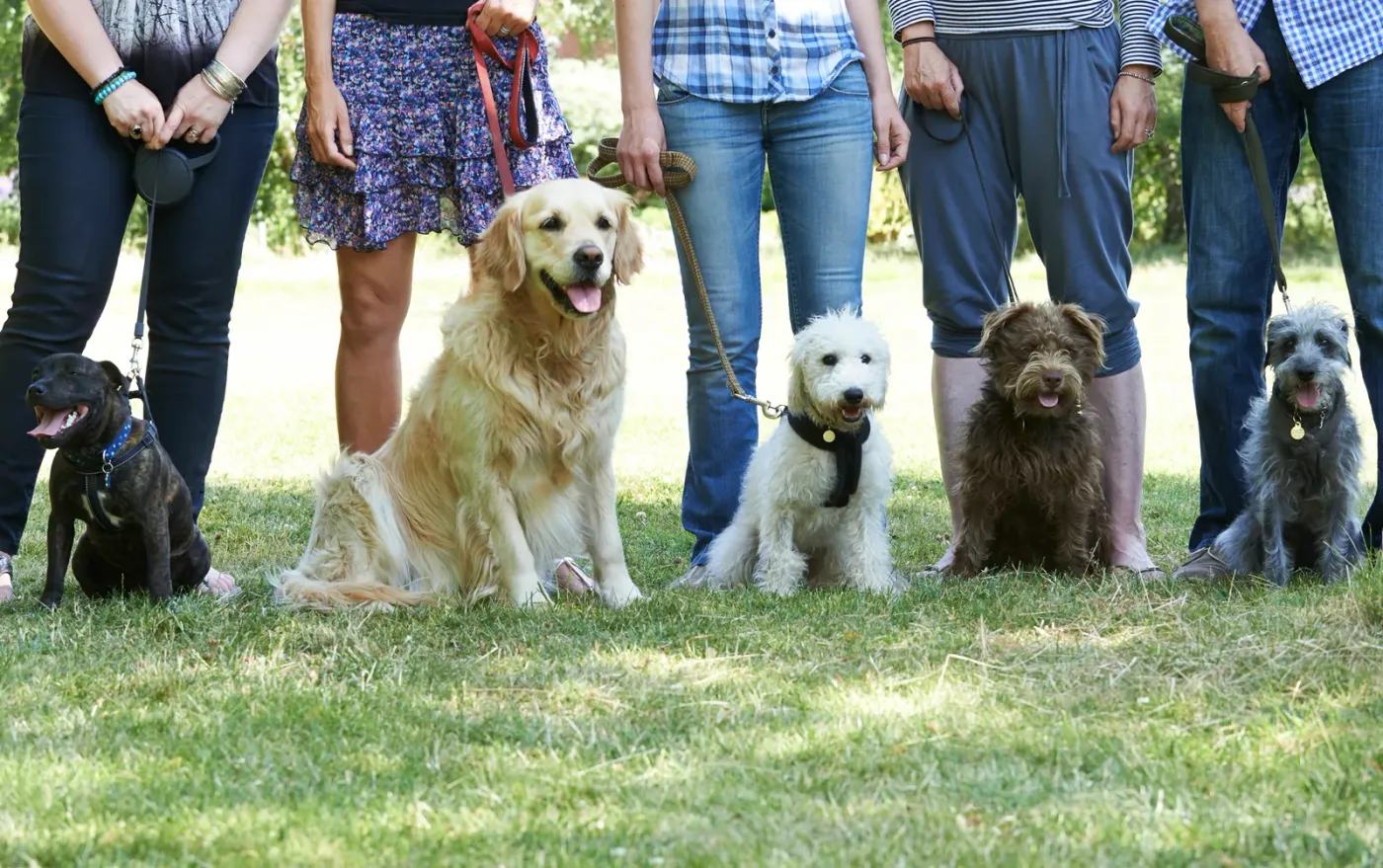
Scope, not titles
Who does the work, and who guides it.
In a board and train, the dog lives a structured routine and gets daily one-on-one training, with skills taught through markers and rewards first and tools matched to the individual dog. The owner is taught at the handover. Our Behaviour Rehab is a five to six week board and train at $4,850 to $5,760 + GST, customized after a full assessment, and works on anxiety, fear, reactivity and aggression at the dog's pace.
A behaviourist's work is usually advisory and owner-led. They tend to observe the dog, look at history and environment, and build a plan the family carries out at home, sometimes alongside a vet. That suits owners who have the time to practise and a dog safe enough to manage at home. Because titles in this field are used in different ways, ask any professional, including us, what training and experience sit behind theirs.
- Daily hands-on training versus advisory plan
- Owner handover versus owner-led practice
- Vet first for medical questions
- Ask about training behind titles
Picking the right help
Which situations point to which professional.
Start with your veterinarian if the change was sudden, if the dog seems sore or unwell, or if you are wondering about medication; behaviour and health overlap more than people expect. A behaviourist can make sense if you want to do the daily work yourself with expert oversight. Board and train can make sense if daily structure is hard to provide at home, or if the problem needs consistent handling you cannot give right now.
There is a middle option too. Private Training is $150 + GST per one-hour session with a written plan for your home, and suits owners who want to stay hands-on with a professional watching. At the consultation we hear the history, ask about your dog's day and recommend a program, or a smaller step if it covers what you need. If we think a vet should see your dog first, we will tell you that instead.

The programs
Programs and prices
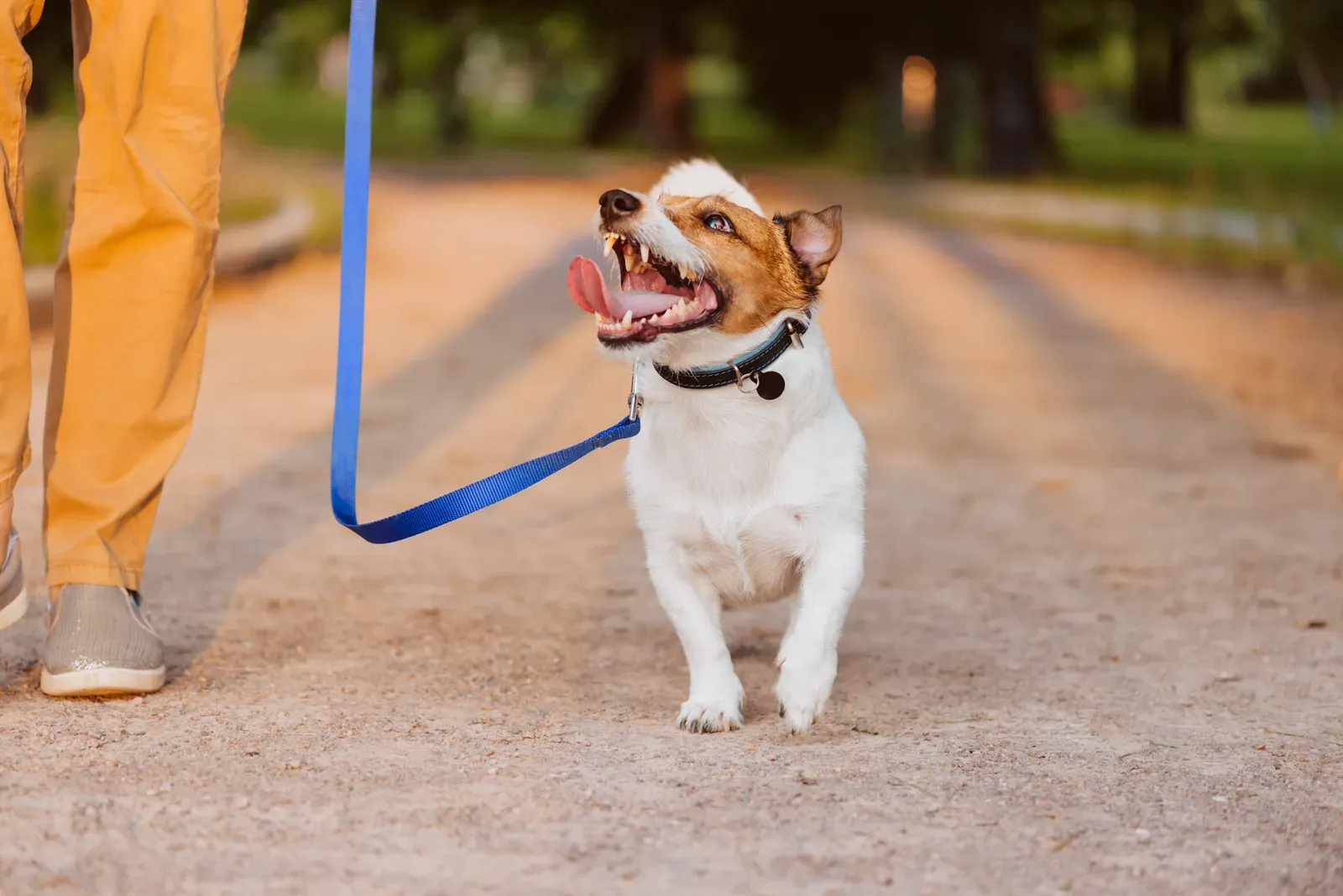
W · One-hour session
Private Training
One-on-one coaching with you on the other end of the leash.
Includes a written weekly plan to work from

NE · 2-week board & train
On-Leash Foundations
If every walk is a wrestling match, pulling, barking, zig-zagging, this two-week program rebuilds the walk from the ground up with foundational on-leash obedience..
Includes handover lesson, follow-up session, lifetime support, slip lead + collar
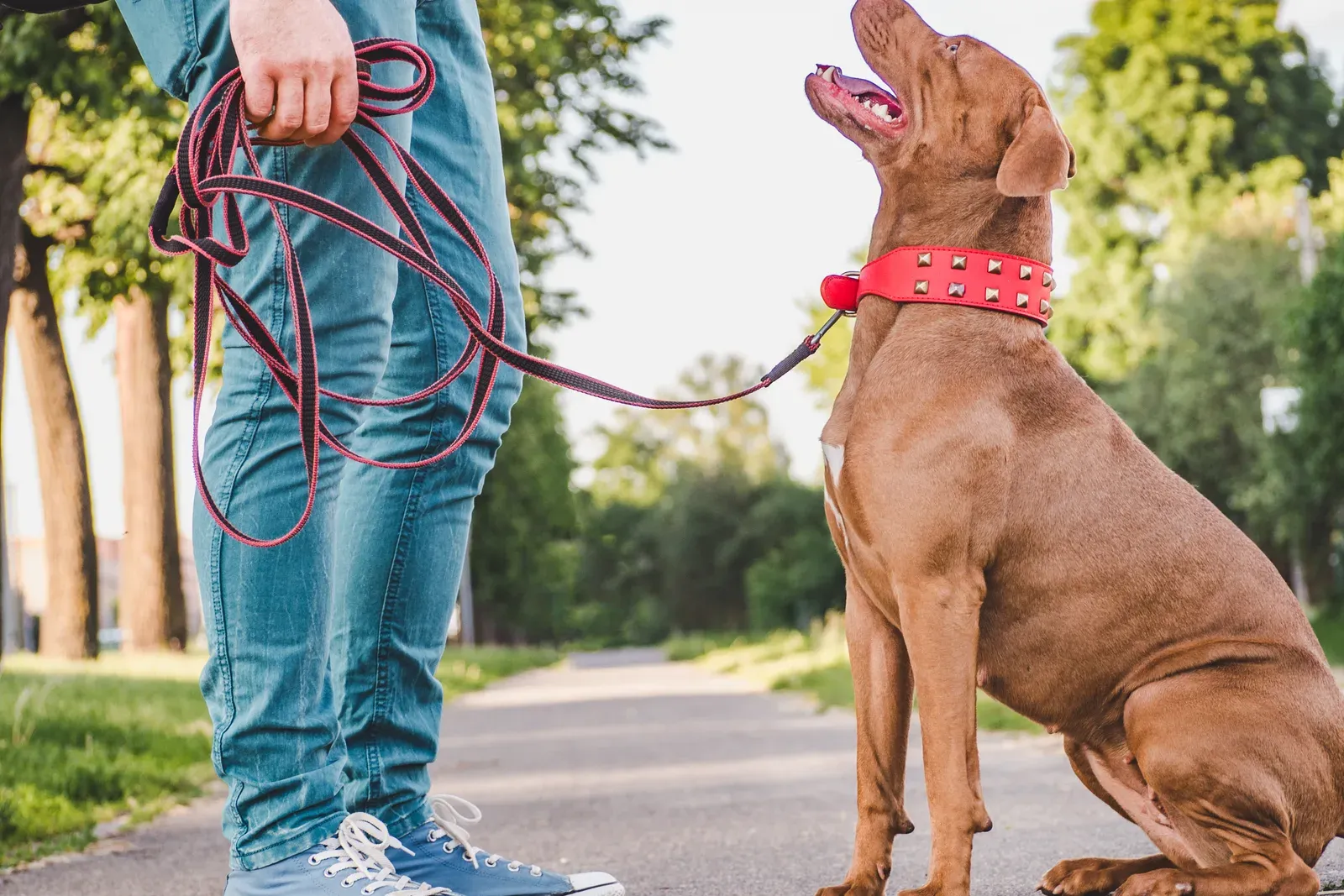
S · 5–6 week board & train
Behaviour Rehab
Kaitlin's specialty, and the work she loves most.
Includes assessment-built plan, 2 follow-ups, deep owner education
Asked and answered
The questions people ask us.
Should I see a behaviourist or a trainer for my dog?
It depends on scope. If you want an advisory plan you carry out yourself, a behaviourist may suit; if you need daily hands-on work and structure, a board and train may fit better. See your vet first if health could be involved.
Is a dog behaviourist better for aggression?
Not automatically. Aggression needs careful assessment whoever does it, and safety at home comes first. Our Behaviour Rehab accepts dogs with bite histories after a full assessment.
How much does board and train for behaviour cost compared with a behaviourist?
Our Behaviour Rehab is $4,850 to $5,760 + GST, customized after assessment. Behaviourist fees are set by each practice, so ask them directly and compare what the work includes, not just the price.
Can a trainer and a vet work on the same dog?
Yes, and for some dogs that is the sensible combination. A vet handles health and medication questions; training works on the behaviour itself. Tell us what your vet has advised so the plan fits around it.
Keep reading
Not sure which you need?
Book a consultation, tell us the history, and we will say honestly whether training, a vet or both comes first.
From real owners
Rated 5.0 on Google.
Real Northline dogs