
Board and train
Board and train for fearful and shy dogs
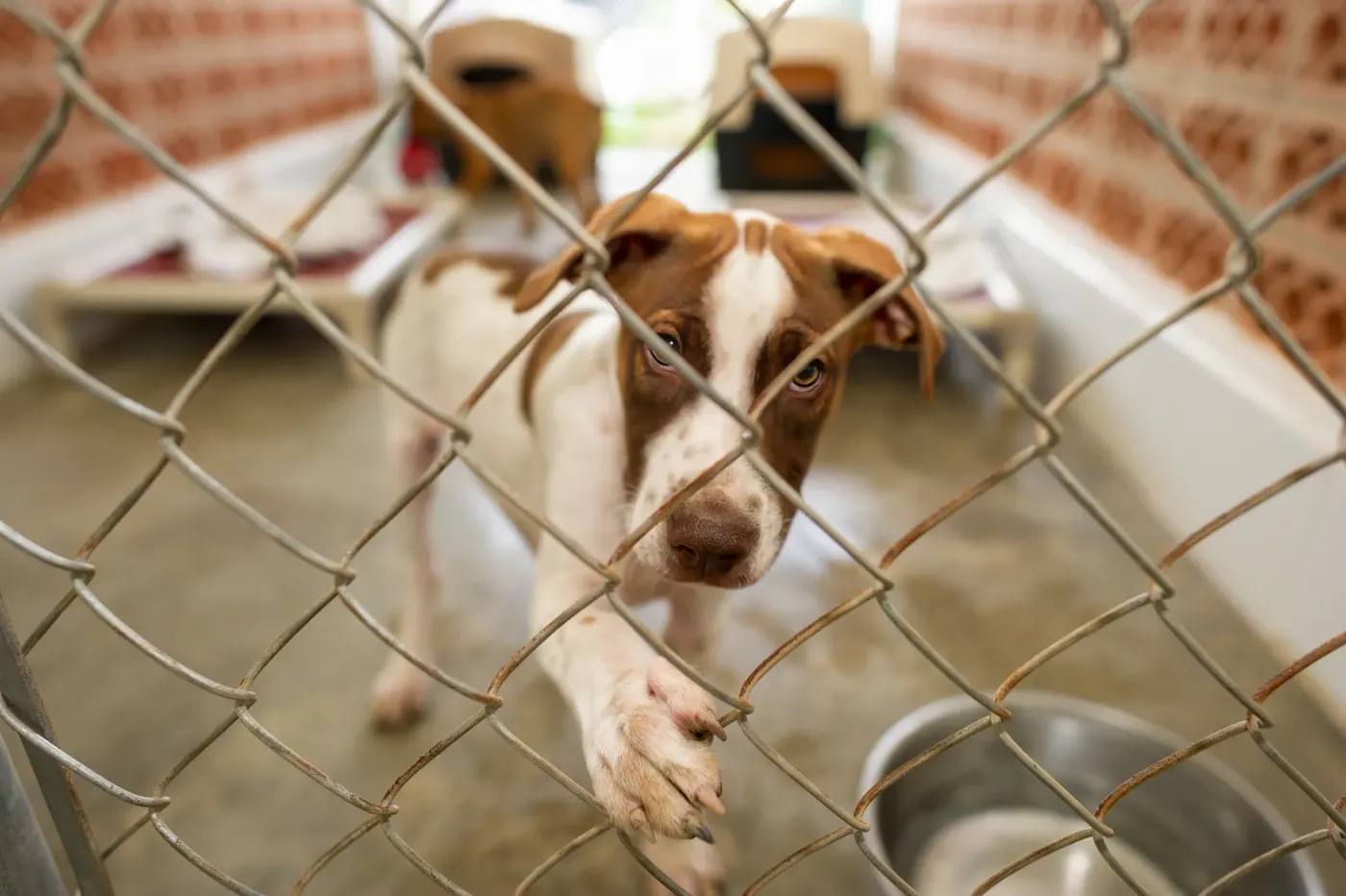
Shy dogs are often the hardest to advocate for. They do not bark the house down; they hide behind your legs, freeze on the sidewalk, or vanish when the doorbell rings, and it is tempting to hope they will grow out of it. This page covers what a live-in stay in Behaviour Rehab works on for a fearful dog, what the full assessment is for, and what stays in your hands afterwards.
Last reviewed September 28, 2026
Inside Behaviour Rehab
What a live-in stay works on for a dog that hides.
Behaviour Rehab is built for the barkers, the lungers, the hiders and the growlers, and a shy dog often sits in the hider column. The program runs five to six weeks and is customized after a full behaviour assessment, which is also what sets the price between $4,850 and $5,760 + GST. The published work covers fear-based behaviour, anxiety rehabilitation, confidence building and structured socialization, taught the way we teach everything: markers and rewards first, and tools matched to the individual dog.
Daily one-on-one training sits inside a structured routine, with enrichment, clean and comfortable accommodation, fresh water and individual care. During the stay you get social-media updates and personal phone or email check-ins; visits are gently discouraged because they interrupt the routine the dog is settling into. At the end comes a handover lesson, then two free follow-up sessions and in-depth owner education, because a fearful dog needs the people at home to understand the why, not just the what.
- Full assessment before anything
- Five to six weeks, customized
- Two follow-up sessions included
- Owner education on the why
Honest limits
What we cannot promise, and when your vet comes first.
We cannot say in advance how your dog will respond to time away from home; many fearful dogs find change unsettling at first, and no assessment rules out that a stay will be hard for a particular dog. The full assessment comes before anything is planned, so the program is shaped around your dog rather than a template. The consultation is where we recommend a program, and a smaller one, such as Private Training at $150 + GST per one-hour session, when it is enough.
Some fear is a question for your vet before it is one for us. If the fearfulness arrived suddenly, grew quickly, or came with changes in eating, sleeping or movement, ask your vet first. The aim is stated plainly: fear-based behaviour, confidence building and structured socialization, not a dog who greets every stranger like an old friend. Shyness is part of who many dogs are. The follow-up sessions and owner education exist so the routine carries on at home, and that part stays yours.
The programs
Programs and prices
NE · 2-week board & train
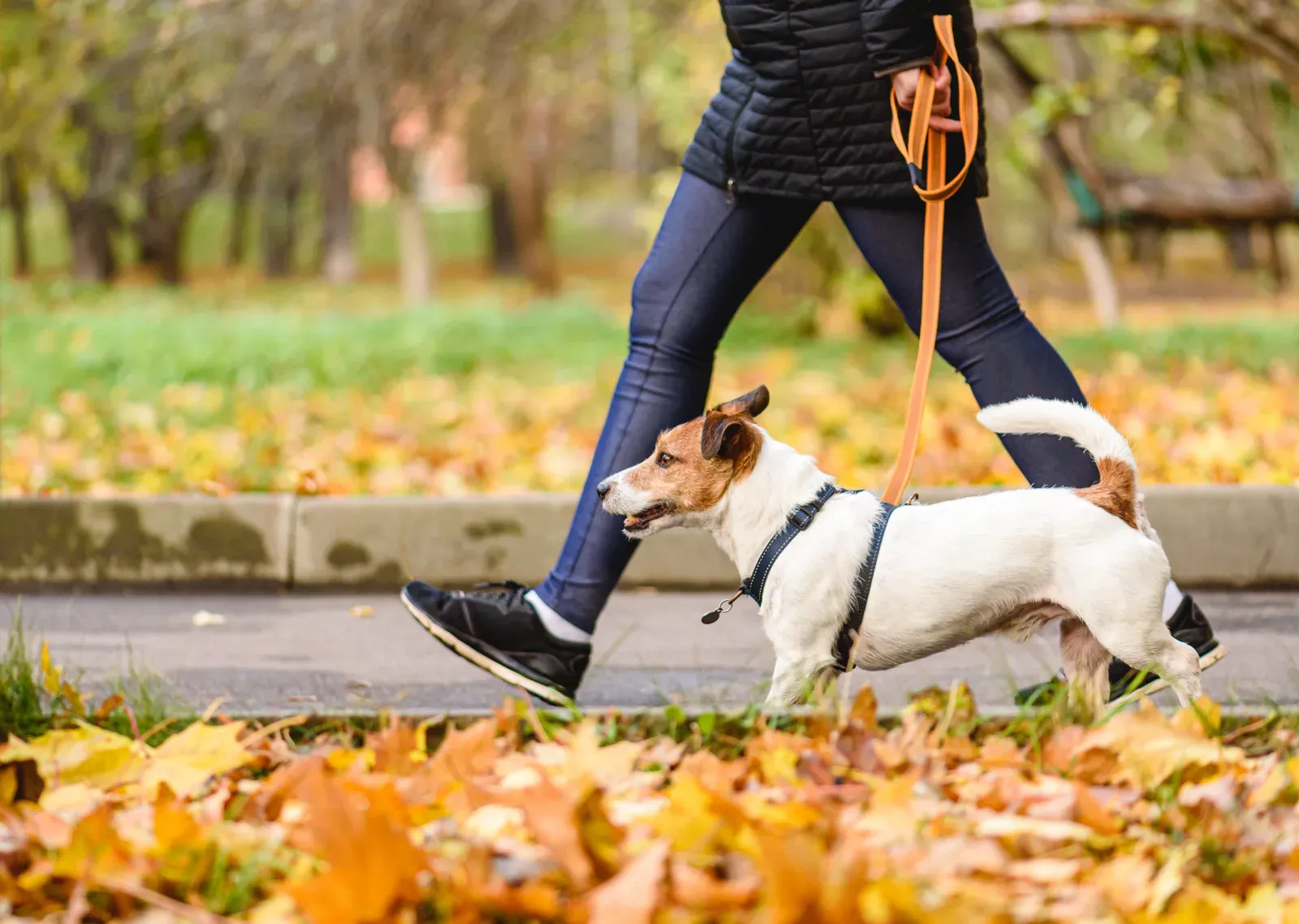
On-Leash Foundations
If every walk is a wrestling match, pulling, barking, zig-zagging, this two-week program rebuilds the walk from the ground up with foundational on-leash obedience..
Includes handover lesson, follow-up session, lifetime support, slip lead + collar
E · 3-week board & train
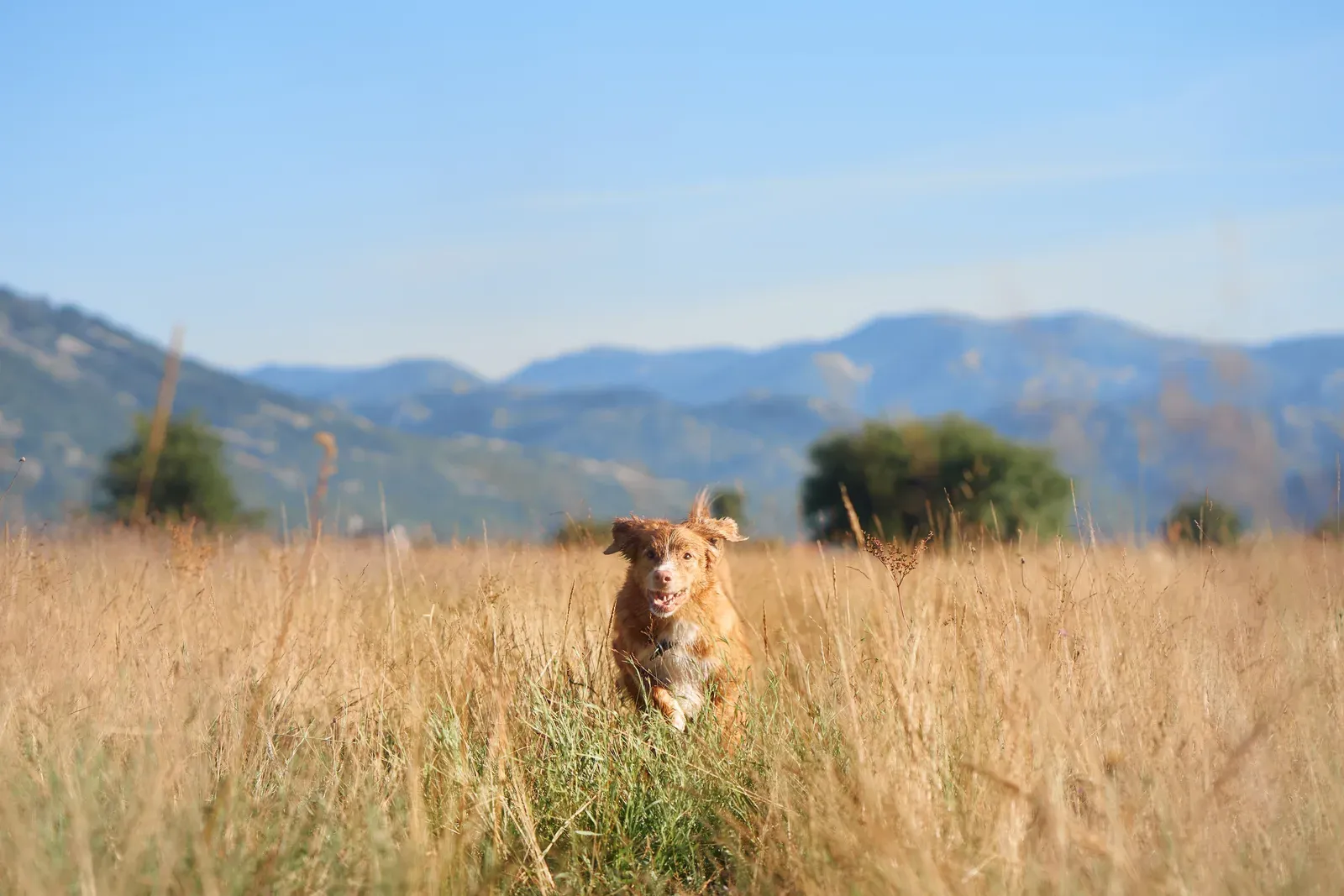
Functional Off-Leash
Everything in the on-leash program, then the next level: reliable off-leash recall even around distractions.
Includes handover lesson, follow-ups, Educator remote collar
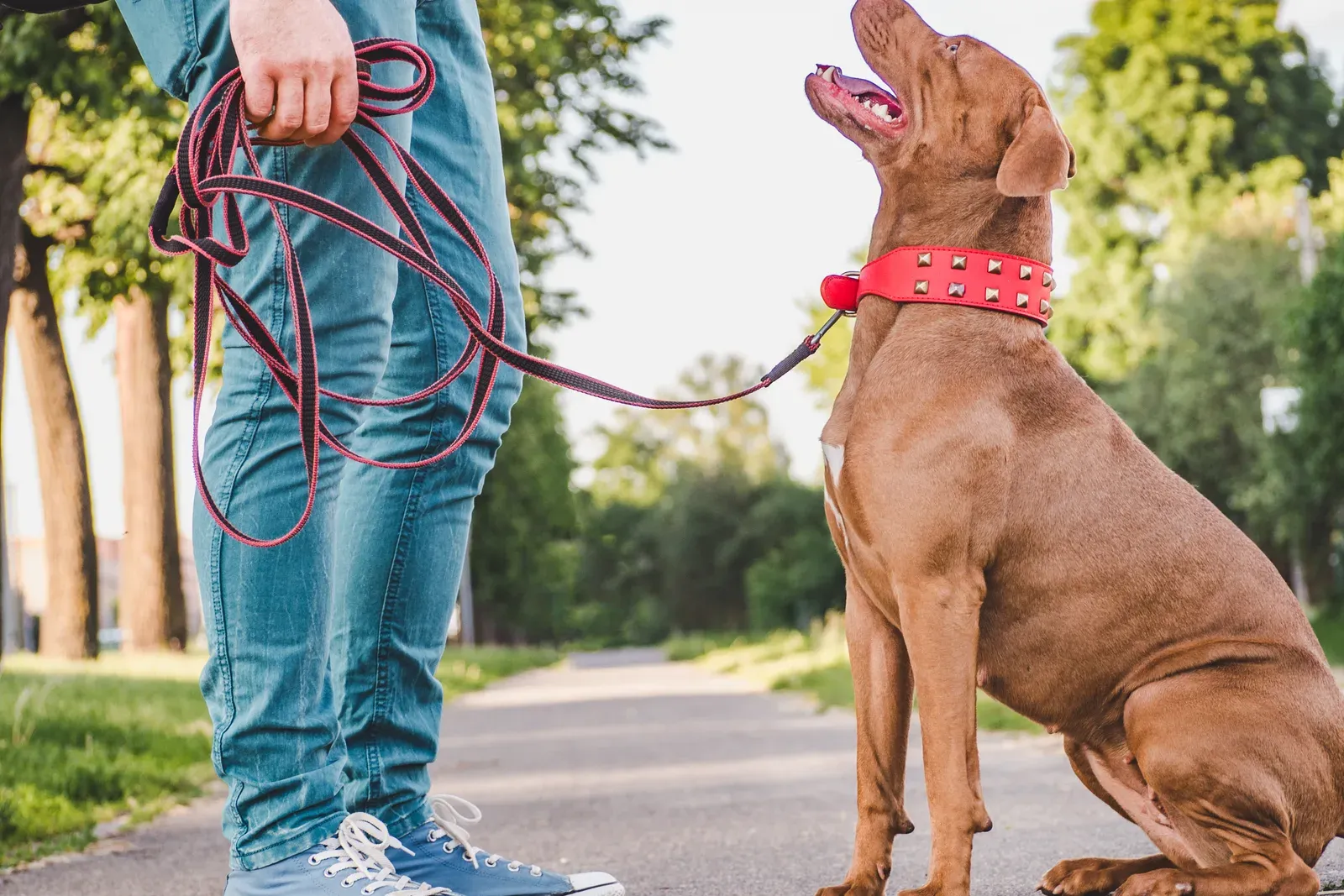
S · 5–6 week board & train
Behaviour Rehab
Kaitlin's specialty, and the work she loves most.
Includes assessment-built plan, 2 follow-ups, deep owner education
Asked and answered
The questions people ask us.
Is board and train good for a fearful dog?
It can be, and it depends on the dog, which is why Behaviour Rehab is planned only after a full behaviour assessment. The program works on fear-based behaviour, anxiety rehabilitation, confidence building and structured socialization over five to six weeks. Whether a live-in stay is the right fit, or whether a smaller program is enough, is what the consultation is for.
Will sending my shy dog away make the fear worse?
We cannot promise how any individual dog will respond to time away from home, and many fearful dogs find change unsettling at first. The full assessment happens before a program is planned, so the stay is built around your dog rather than a template. If you have worries about a stay, raise them at the consultation and we will talk them through honestly.
How long does board and train take for an anxious or shy dog?
Behaviour Rehab runs five to six weeks, with the length and the price, $4,850 to $5,760 + GST, customized after the assessment. Two free follow-up sessions and in-depth owner education continue the work once your dog is home.
Should my fearful dog see a vet before training?
Ask your vet first if the fear appeared suddenly, has grown quickly, or came with changes in appetite, sleep or movement. Once your vet has had a look, the consultation and the full assessment are where we plan the training side.
Keep reading
Tell us about your shy dog.
Tell us what your dog hides from and how long it has been happening. Book a consultation and we will talk fit honestly.
From real owners
Rated 5.0 on Google.
Real Northline dogs