
Before you book
Board and train for a dog that has failed training before
Maybe it was a group class, a stack of videos, or a trainer who came to the house twice. The dog still bolts through the door or drags you down the block, and the treat pouch sits in a drawer. None of that means the dog is untrainable, or that you did it wrong. The useful place to start is the history: what was taught, with what, how often, and where.
Last reviewed September 28, 2026

Possible causes
The conditions we look at before the effort.
Consistency is one suspect. A weekly class comes with homework, and many owners do it faithfully; the gap tends to open when the rules at class and the rules on a Tuesday evening differ. Distraction work is another. A sit that is reliable in the kitchen may never have been asked for at the off-leash gate with three dogs arriving, so it may not hold there yet. Neither is a flaw in you or the dog; both are conditions, and conditions can change.
Format can be a third. A group class asks a dog to learn surrounded by other dogs, which some dogs find hard, and a video cannot see what your hands are doing on the leash. A fourth possibility sits underneath the others: a behaviour issue nobody named. Pulling that is partly reactivity, or a refusal to come inside that is partly fear, often responds differently to manners drills. If the change was sudden or the dog seems uncomfortable, ask your vet first.
- Rules that differed between settings
- Skills never left the kitchen
- A group format that overwhelmed
- A behaviour issue nobody named
What live-in changes
What we change, and what stays with you.
A board and train changes the conditions rather than the dog's character. Practice becomes daily and one-on-one inside a structured routine, so the same cues and the same rules are asked for every day. There are no group classes here at all; other dogs are met through structured socialization rather than a crowded room. We work around everyday distractions in On-Leash Foundations and around heavier ones in the off-leash programs, which is where the earlier training may not have gone.
The handover lesson teaches you the cues and the tools, and free follow-up sessions are there for when a rule starts to slide at home. What a board and train cannot change is who the dog comes home to: it will be listening to you. If the history points to anxiety, reactivity or aggression rather than manners, Behaviour Rehab is built for that and is planned and priced after a full assessment. The consultation recommends the program, including a smaller one when it is enough.
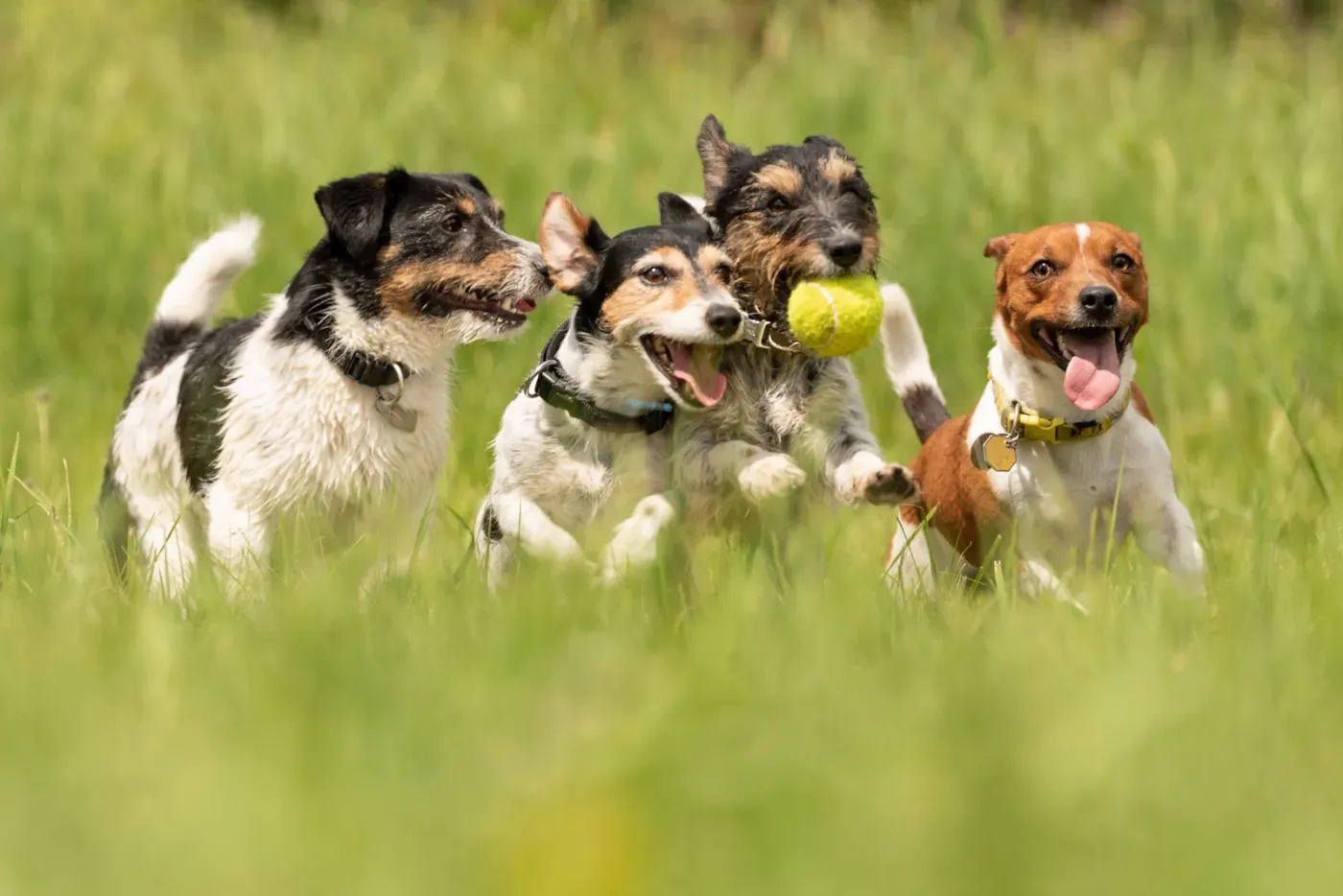
The programs
Programs and prices
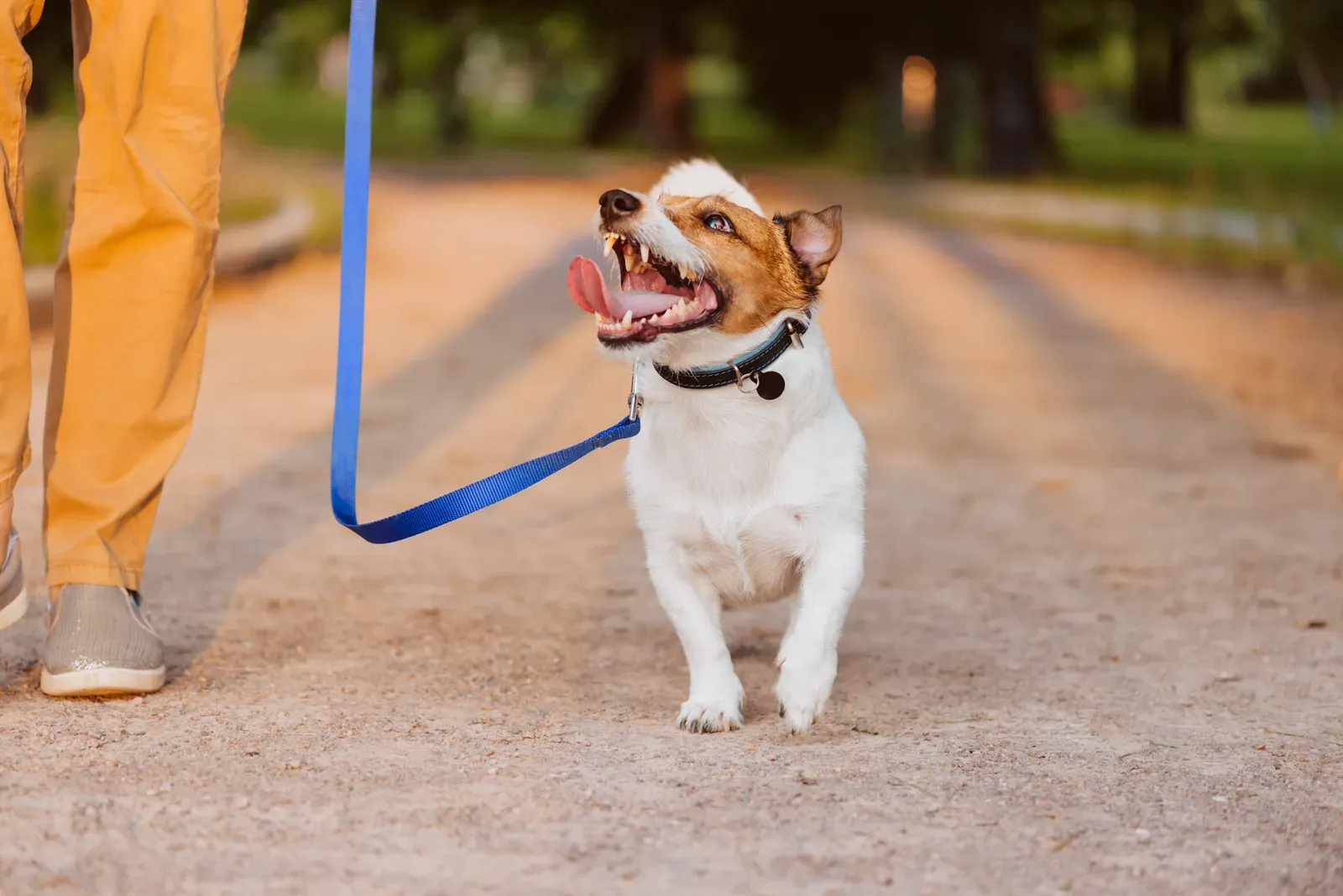
W · One-hour session
Private Training
One-on-one coaching with you on the other end of the leash.
Includes a written weekly plan to work from

NE · 2-week board & train
On-Leash Foundations
If every walk is a wrestling match, pulling, barking, zig-zagging, this two-week program rebuilds the walk from the ground up with foundational on-leash obedience..
Includes handover lesson, follow-up session, lifetime support, slip lead + collar
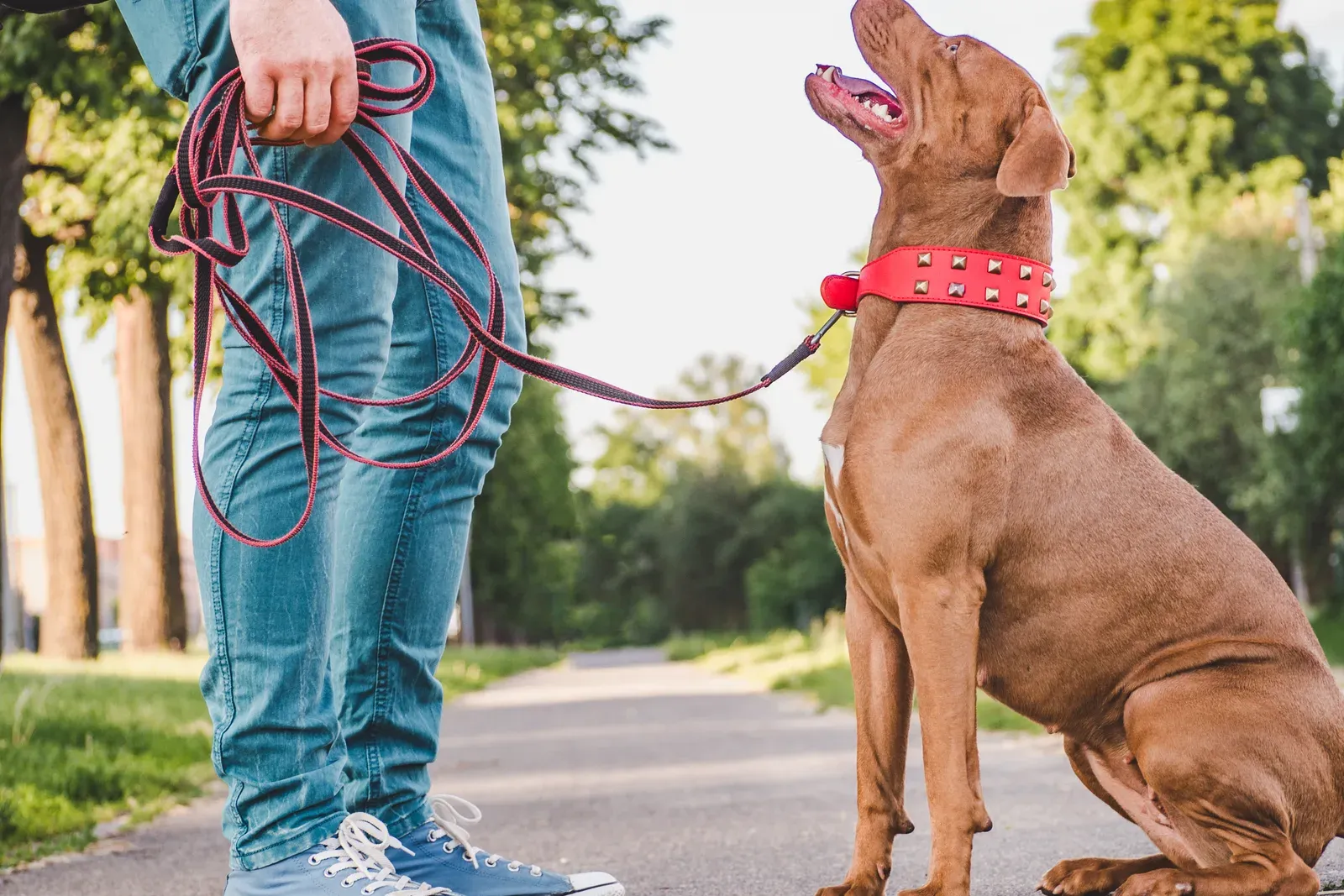
S · 5–6 week board & train
Behaviour Rehab
Kaitlin's specialty, and the work she loves most.
Includes assessment-built plan, 2 follow-ups, deep owner education
Asked and answered
The questions people ask us.
Our dog's training didn't work. Would board and train be any different?
It is different in its conditions: daily one-on-one practice instead of weekly, a structured routine, and no group classes at all. It still depends on you continuing the same cues and rules at home after the handover lesson. We cannot promise a different result, only different conditions and a plan for the transfer.
We have tried everything with our dog. What is left?
Often what is left is a closer review of the training history and the behaviour itself, rather than a new trick: which cues were taught, with what tools, how often, and around which distractions. Repeated trouble with manners training can sometimes sit alongside anxiety or reactivity, and Behaviour Rehab is built for that, with a full assessment first. If anything changed suddenly, ask your vet as well.
Our dog failed obedience class. What next?
It helps to separate the dog from the format. A group class can be a hard place to learn for a dog who struggles to settle near other dogs, and every program here is one-on-one, whether Private Training, Day Training or a board and train. Bring what the class covered and where it went wrong to the consultation.
Does failing training before mean a dog needs Behaviour Rehab?
Not by itself. Behaviour Rehab is built for anxiety, reactivity and aggression, and it is shaped and priced after a full assessment, not assigned from a training history. Difficulty with a class or a video can have plainer causes, such as practice that differed between settings or distractions the earlier work never reached.
Keep reading
Start with the history
Bring what you have tried and what happened. Book a consultation and we will go through it with you.
From real owners
Rated 5.0 on Google.
Real Northline dogs