Straight answer
What happens if board and train does not work?
Nobody wants to email a trainer to say the training fell apart. It happens, and the reasons are usually specific and fixable. Sometimes the household stopped running the routine. Sometimes the program treated a symptom while the real problem sat untouched. Sometimes a sore hip or a thyroid issue was doing the barking. This page walks through each cause and what a good trainer owes you next.
Last reviewed August 26, 2026
Three honest causes
Where results actually break down, and the fix for each.
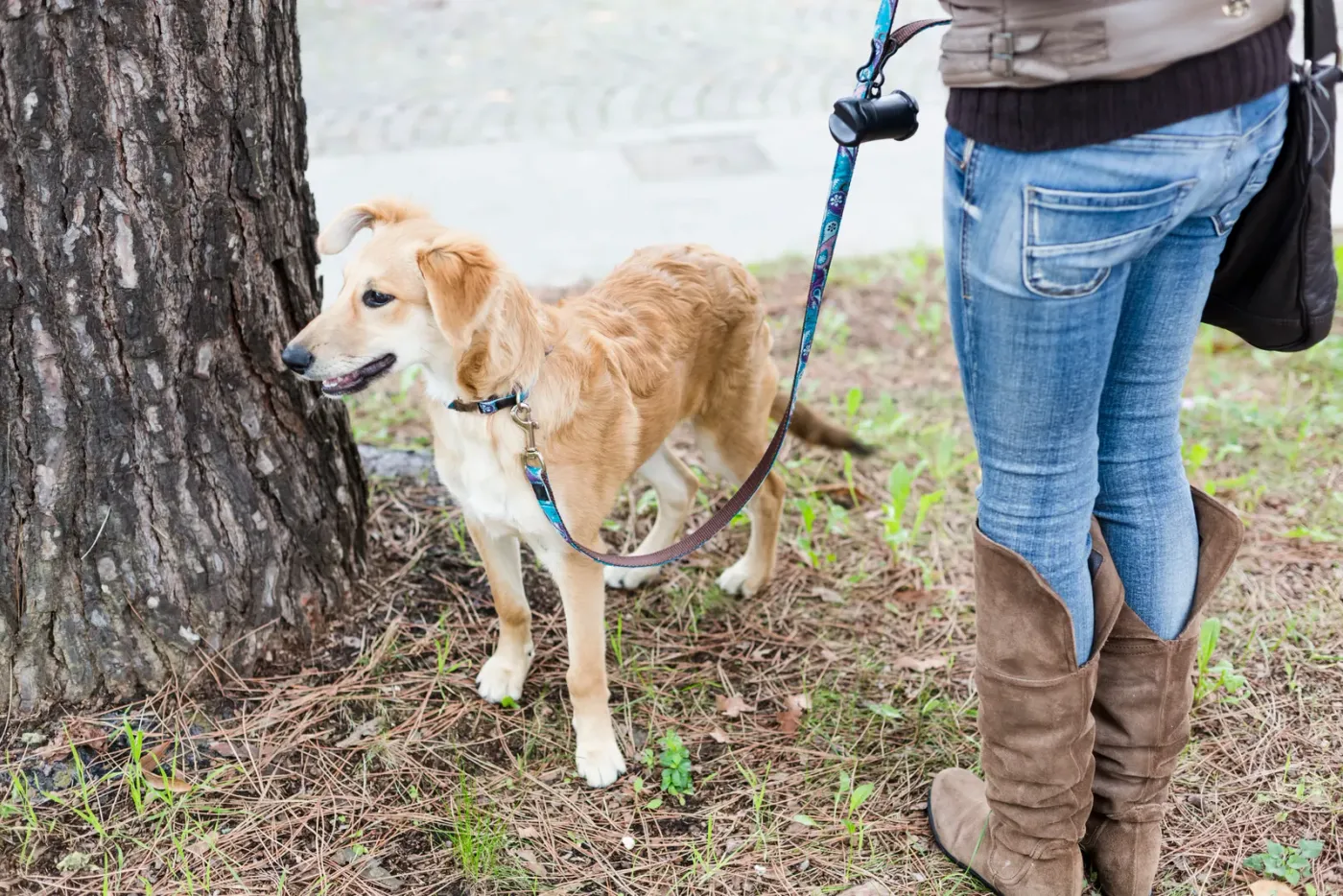
The most common cause is follow-through. A dog leaves a board and train with new skills, then the household quietly drops the structure that supports them: the place command stops being used, the leash rules soften, and the old habits refill the space. The repair is not another three weeks away from home. It is a follow-up session, a shorter daily routine the family can actually keep, and honest coaching on the handover.
The second cause is program fit: two weeks of obedience cannot resolve fear-based reactivity, which is why serious behaviour work runs five to six weeks and begins with a proper assessment. The third is medical, and a trainer who suspects pain or illness should send you to your vet before selling you anything. Follow-ups, refreshers and referrals are the marks of a trainer who plans past pick-up day.
- Free follow-up sessions included
- Handover lesson before pick-up
- Refresher plans, not restarts
- Vet referral when medical
Not finished yet
How to tell 'not working' from 'not finished'.
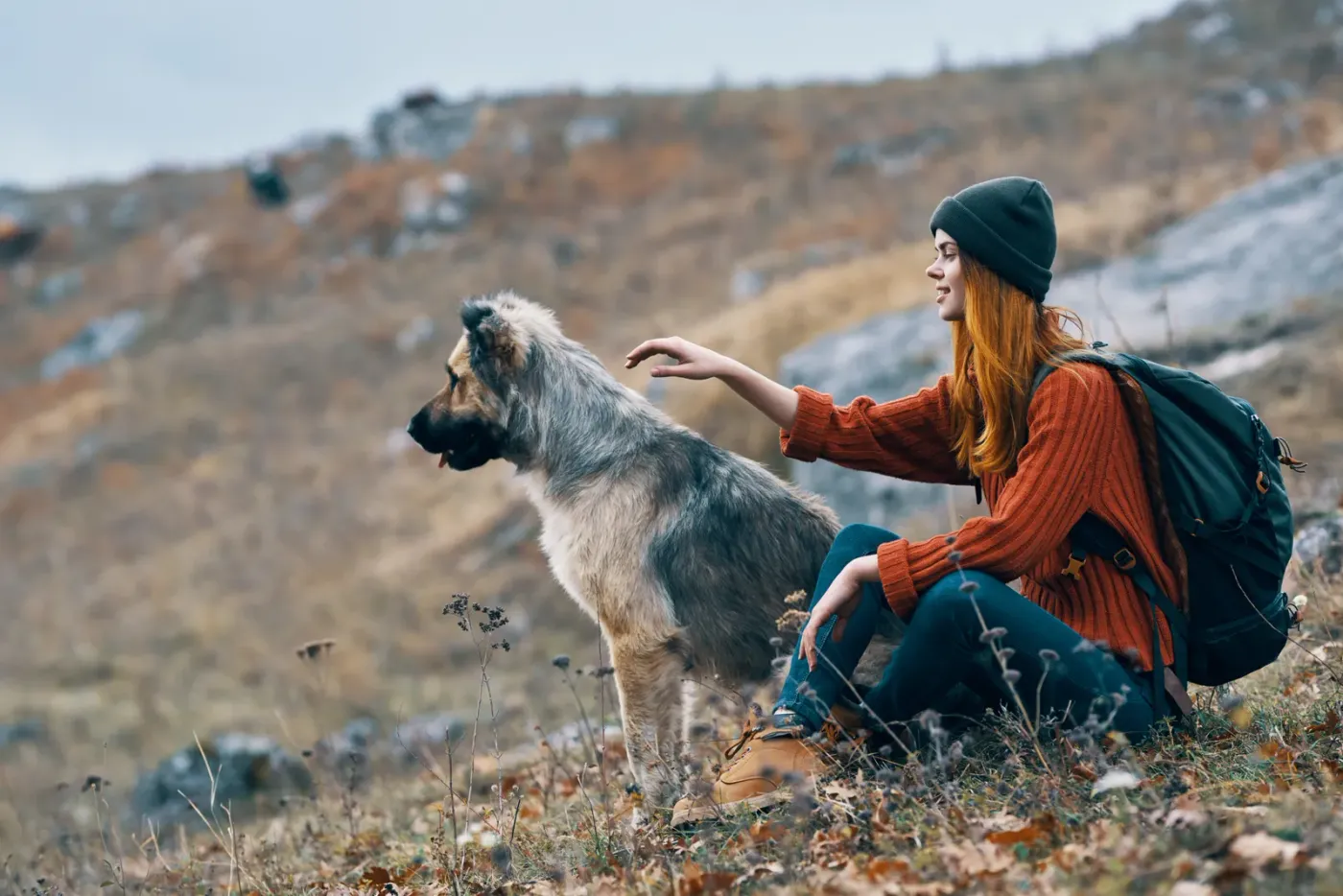
A dog that holds a sit at home but breaks it at the off-leash park is not failing, it is mid-process. Skills are taught first, then proofed against the real world in stages, and the messy middle looks a lot like regression. Ask what stage your dog is at and what the next proofing step is. A trainer with a plan can answer in one sentence.
Genuinely not working looks different: no change in the original problem after weeks of correct practice, or new stress signals the trainer cannot explain. That is the moment to use the free follow-up, ask for the plan in writing, and if the answers stay vague, get a second opinion. Day training at $650 per week or private sessions at $150 can rebuild momentum without another full stay.
The programs
The live-in options.
Every program includes the handover lesson and follow-ups; prices are on each card.
NE · 2-week board & train
On-Leash Foundations
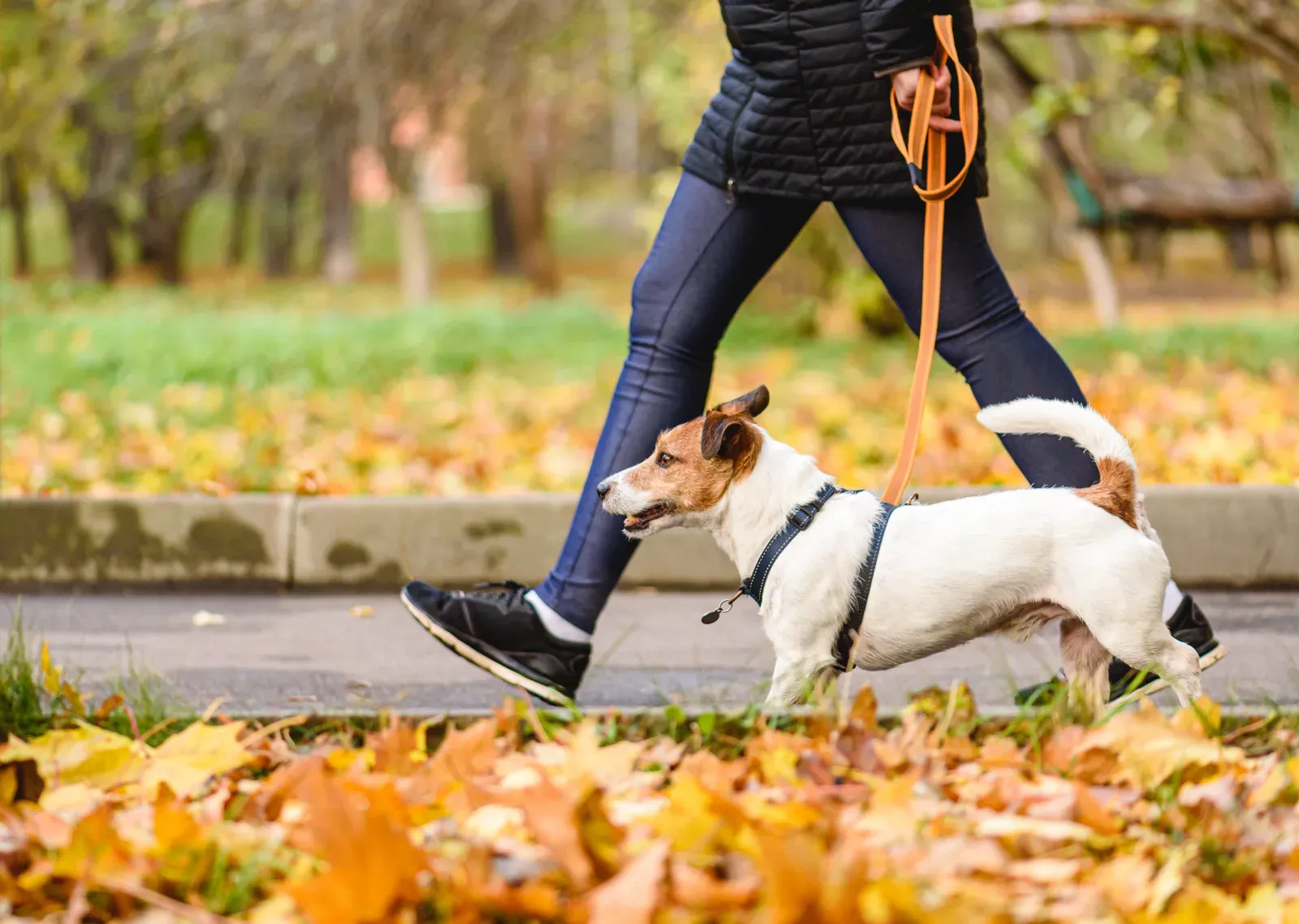
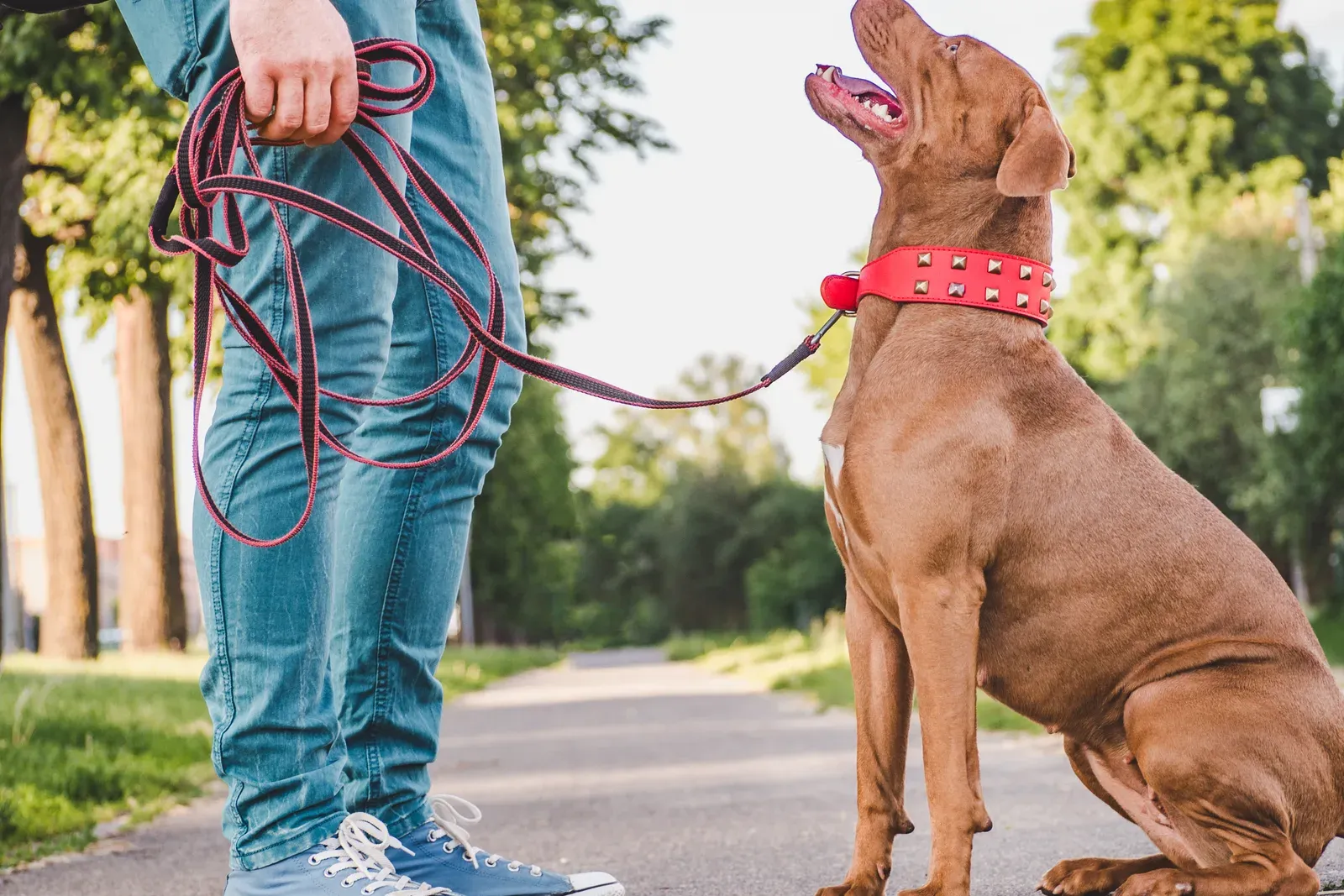
If every walk is a wrestling match, pulling, barking, zig-zagging, this two-week program rebuilds the walk from the ground up with foundational on-leash obedience..
Includes handover lesson, follow-up session, lifetime support, slip lead + collar
S · 5–6 week board & train
Behaviour Rehab
Kaitlin's specialty, and the work she loves most.
Includes assessment-built plan, 2 follow-ups, deep owner education
Asked and answered
The questions people ask us.
What if board and train doesn't work?
First, find the cause: home follow-through, program fit, or something medical. Each has a different fix, and free follow-up sessions exist to sort exactly this. A good trainer treats a wobble as part of the plan, not a verdict.
The board and train didn't work. Was the money wasted?
Usually not. The skills are still in the dog; they need the home routine that keeps them paid. A follow-up session or a $150 private lesson often restores in an hour what looked lost.
Our board and train failed. What went wrong?
The common culprits are a program mismatched to the problem, a routine that ended at pick-up, or an unaddressed medical issue. Ask your trainer to walk you through which one applies. If they cannot, that answer tells you something too.
Why does a dog seem worse after board and train?
A dog can look worse for a week or two while old habits collide with new rules, especially back in an exciting home. True deterioration, new fear or new aggression, is not normal and deserves an immediate follow-up and a vet check.
Keep reading
Worried it did not stick?
Tell us what faded and when. Book a consultation and we will map the fix, whether that is a follow-up or a referral.
From real owners
Rated 5.0 on Google.
Real Northline dogs