
Why dogs do it
Why does my dog hate the crate?
Crates get a mixed reputation because the same box can be a dog's favourite den or a place it fights to escape. The difference is almost always history. If your dog scratches the door, refuses to walk in, or howls the moment the latch clicks, the crate has picked up a meaning, and meanings can be rewritten from scratch.
Last reviewed October 4, 2026
How it went wrong
A den that turned into a holding cell.
The most common pattern is speed. A new dog is closed in on day one for a full workday or the whole night, before the crate ever meant anything good. Another is punishment: the crate becomes where a dog goes after chewing a shoe or jumping on a guest. Both teach the same lesson, and the dog may avoid even an open crate in the corner.
Separation distress looks similar but has a tell. If your dog is relaxed in the open crate while you are home but panics when you leave the house, the problem may be being alone rather than the box. Check fit and comfort too: a crate too small to turn around in, one in a hot sunny window, or one beside a loud furnace can earn a dog's dislike honestly.
- Avoids even an open crate
- Calm unless you leave
- Crate used for time-outs
- Too small to turn around
Starting again
Rebuilding the meaning of the crate from scratch.
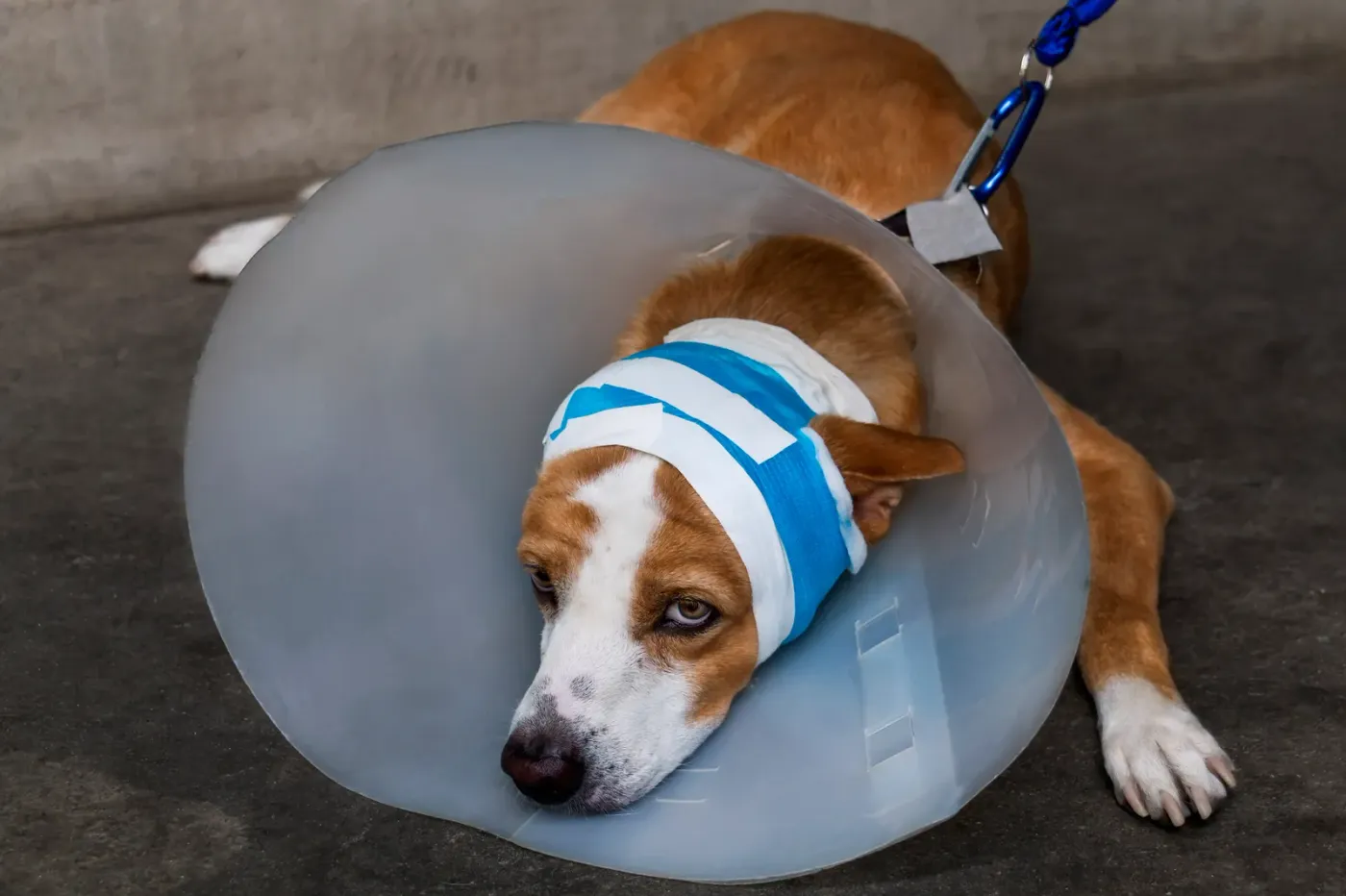
Safety comes before any training. If your dog has bent bars, broken teeth or torn nails trying to escape, stop crating for now and use a safe gated room instead, and talk to your vet about the injuries. Panic that severe, especially paired with destruction when left alone anywhere, deserves a professional assessment rather than more time in the crate.
For most dogs, this is a training issue, and our step-by-step crate guide covers the method. Puppy Fundamentals works on crate comfort for young dogs, and our welcome package includes a crate-training guide. Private Training gives hands-on owners a written plan built around their home. Where crate panic is part of wider anxiety, Behaviour Rehab works on that fear directly. A consultation sorts out which is right.
Asked and answered
The questions people ask us.
Why does my dog cry in the crate at night?
Often the crate was introduced too quickly, or the dog needs a toilet break. Some dogs also struggle with being away from people at night. Rule out the toilet need first, then look at how the crate was introduced.
Is it bad to use the crate as punishment?
It tends to backfire, because the dog learns the crate means trouble and starts avoiding it. Keep the crate for rest and good things so it stays a place your dog chooses.
My dog used to like the crate, why does he hate it now?
Something may have changed its meaning: a long stretch inside, a move to a noisier room, a scary event nearby, or discomfort. A vet check makes sense if there is no obvious cause.
Can a dog that hates the crate learn to like it?
Many dogs can, when the crate is rebuilt slowly with no pressure to stay in. Severe panic or self-injury is different and needs a professional assessment.
Keep reading
Turn the crate back into rest
Book a consultation and we will look at your dog's crate history and recommend the format that fits, including a smaller one.
From real owners
Rated 5.0 on Google.
Real Northline dogs