
Straight answer
Can a reactive dog be cured?
Cured, as in reset to a dog who never notices triggers? Rarely, and any trainer promising that is overselling. Changed, as in walks without lunging, recovery in seconds instead of minutes, and a dog who checks in with you instead of exploding? That outcome is achievable for most reactive dogs, and it is the standard result of proper threshold-based work.

What actually changes
You are not deleting the feeling. You are shrinking it.
Reactivity lives in the nervous system as trigger, big feeling, big display. Training cannot remove the trigger's existence, but it reliably shrinks the feeling and replaces the display. Through counter-conditioning below threshold, the dog learns triggers predict good things, and through new default behaviours they learn what to do with the leftover arousal: look at you, not launch at the dog across the street.
The honest metrics of success are distance and recovery. A dog who once erupted at fifty metres and stayed upset for ten minutes learns to work calmly at ten metres and shake it off in seconds. Owners describe that change as a different dog, even though technically nothing was cured.
- Bigger feelings shrink with counter-conditioning
- Explosions get replaced with check-ins
- Trigger distance closes, recovery speeds up
- Management skills cover the rare bad day
The timeline question
How long it takes to train a reactive dog.
In our residential Behaviour Rehab, five to six weeks of daily work produces the core change for most dogs, because every exposure is controlled and rehearsals of the old pattern stop completely. Through weekly private sessions the same journey commonly takes several months, dependent on how many uncontrolled trigger encounters happen between lessons. Either road ends with owner education, because your leash handling and threshold reading maintain the result for the dog's lifetime.
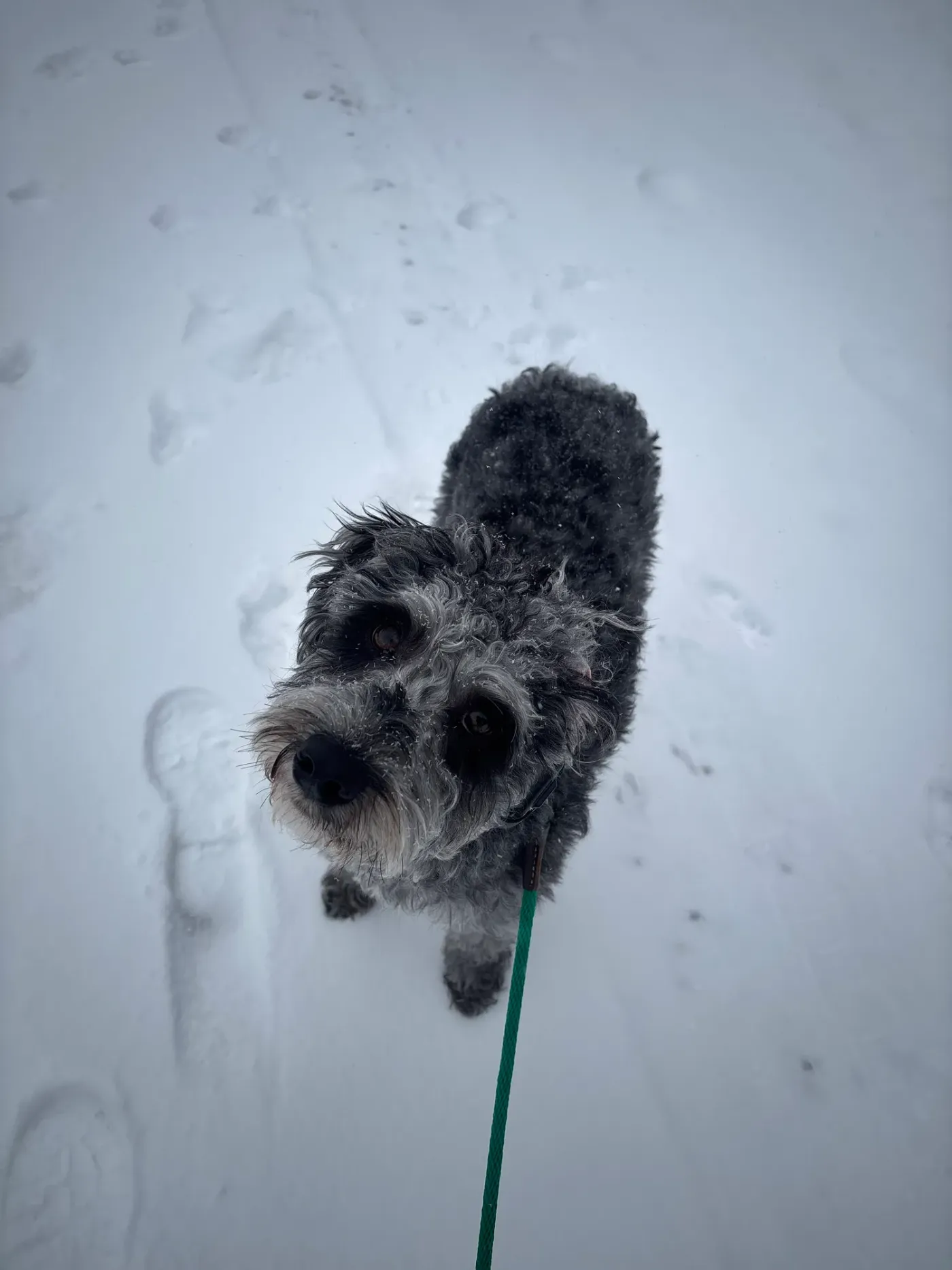
The programs
The reactive dog's options.
Residential rehab for established patterns, private sessions for early or mild cases. Both run threshold-first.
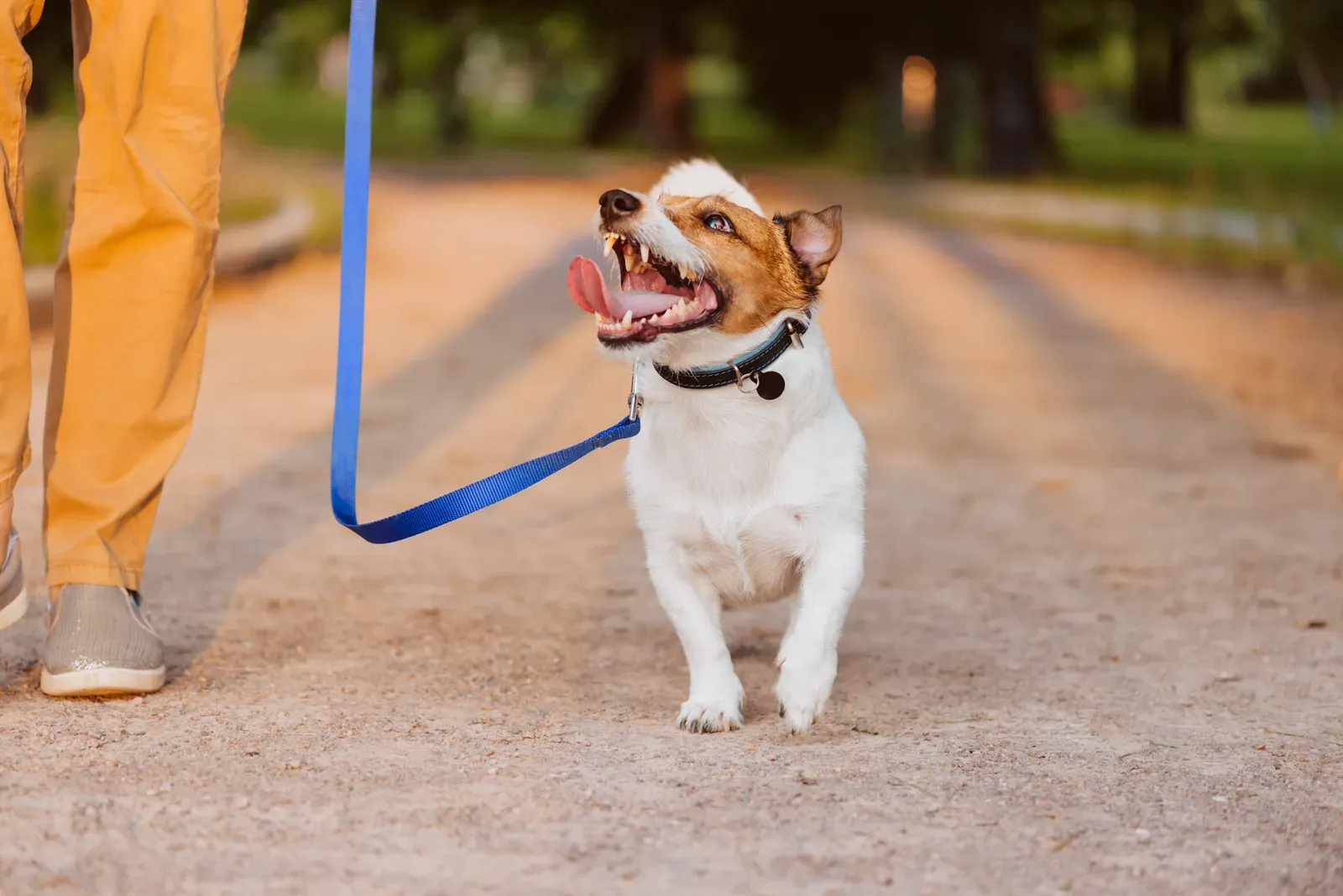
W · One-hour session
Private Training
One-on-one coaching with you on the other end of the leash.
Includes a written weekly plan to work from
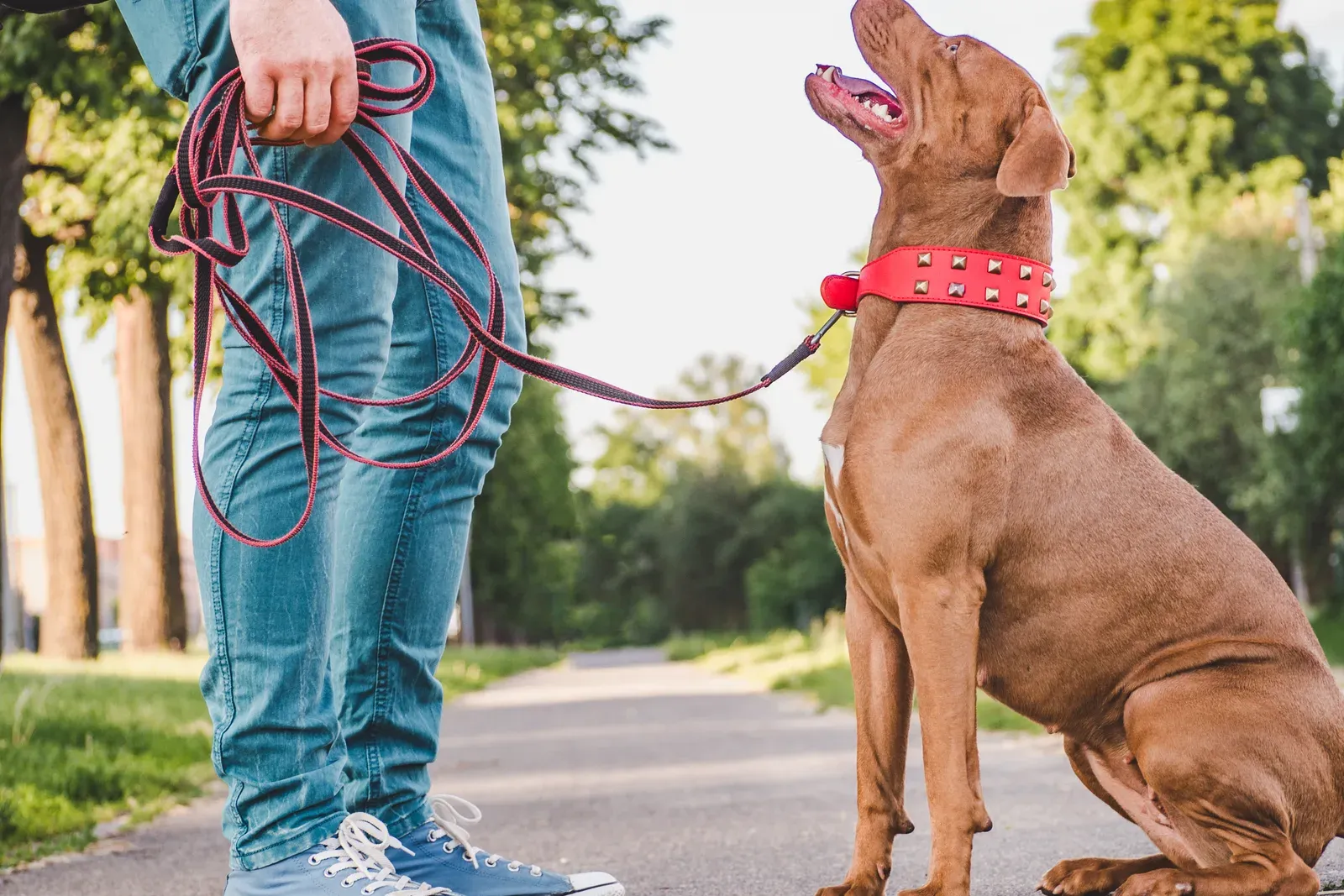
S · 5–6 week board & train
Behaviour Rehab
Kaitlin's specialty, and the work she loves most.
Includes assessment-built plan, 2 follow-ups, deep owner education
Asked and answered
The questions people ask us.
Why is my dog reactive on leash but fine off leash?
The leash removes your dog's ability to control distance, their primary coping tool. Trapped at a set range from the trigger, frustration and fear amplify into barking and lunging that free movement would have defused. This pattern is extremely common and very trainable.
How do I safely socialize a reactive dog?
Not at the dog park. Safe socialization means structured exposure to stable, known dogs at distances your dog can think at, shrinking gradually. Random greetings with strange dogs rehearse exactly the chaos you are trying to retrain.
Did I cause my dog's reactivity?
Almost certainly not. Genetics, missed early socialization, and single bad experiences drive most reactivity. What you control is what happens next, and getting structured help is the move that changes the trajectory.
My dog is suddenly reactive when they never were. Why?
Sudden behaviour change in an adult dog warrants a vet visit first, because pain is a classic hidden driver. Once medical causes are ruled out, training addresses whatever the episode taught your dog to rehearse.
Keep reading
Your dog can get better at this.
Tell us what the explosions look like and we will map the realistic path down from them.
From real owners
Rated 5.0 on Google.
Real Northline dogs