
Why dogs do it
Why does my dog growl when moved off the couch?
The couch is soft, warm, high up and smells like you. No wonder some dogs decide it is worth defending. A growl when you ask them to move can feel personal, but it is usually a fairly polite warning about a resource, a sore body or a rude awakening. Understanding which one you are hearing changes what you do next, and why reaching for the collar is the wrong reflex.
Last reviewed October 4, 2026
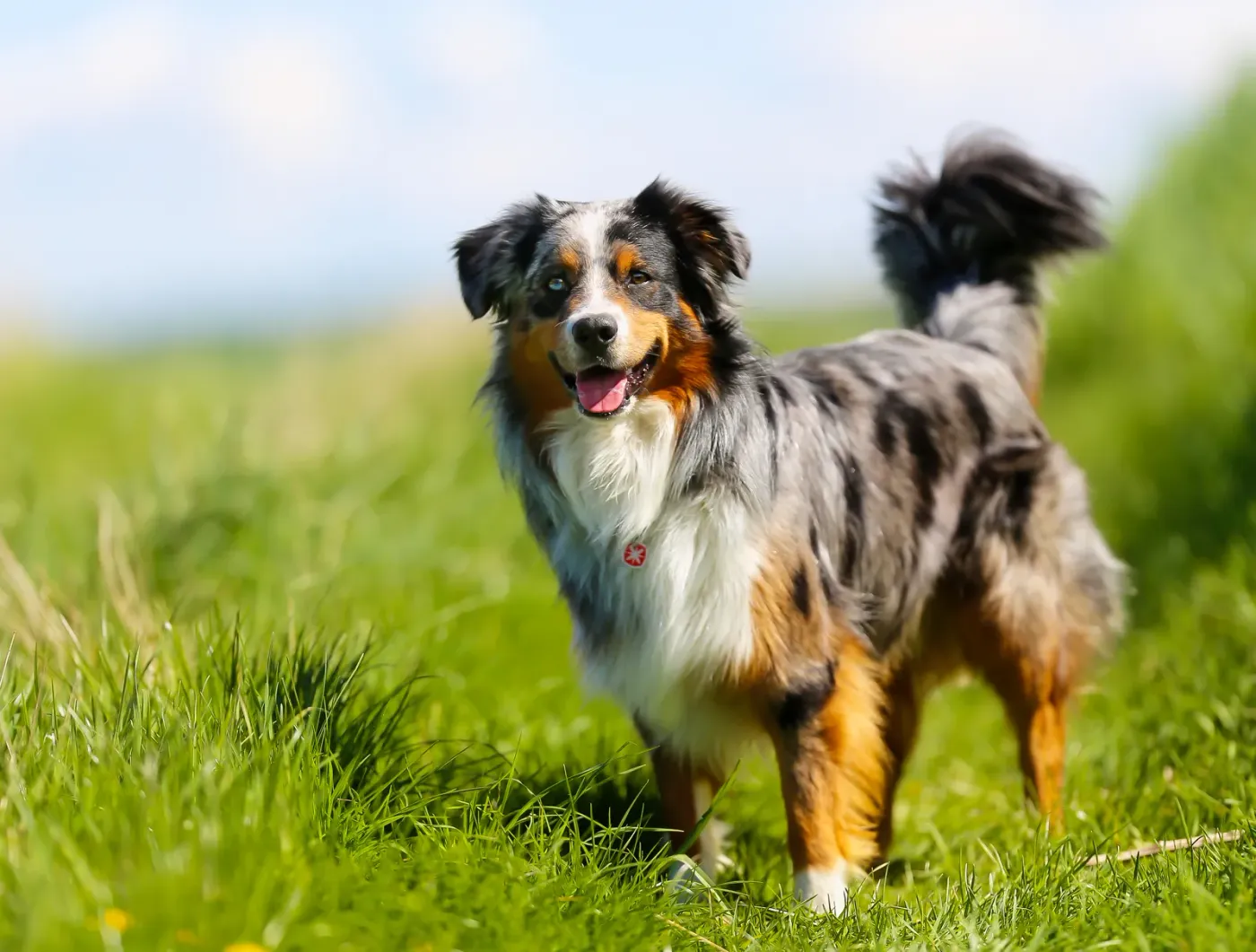
Behind the growl
Guarding, discomfort or a sleepy startle.
Location guarding is the most common reason. To many dogs the couch is a prize, and a person approaching it looks like competition. You may see stiffening, a hard eye, a head turned toward you or a body flattened over the cushion before the growl. A dog who also guards bones, beds or the car seat is often showing the same pattern in a different place.
Pain is the second possibility. A dog with sore hips or a tender back may growl because being pushed, lifted or tugged hurts, not because the couch matters. A third is startle: a dog woken by a hand may growl before it is fully awake. Note whether the growl happens only when you touch the dog, only when it is asleep, or every time someone simply walks near the couch.
- Stiffens as you approach
- Growls only when touched
- Growls when woken suddenly
- Guards beds or bones too
Safer next moves
Why hands stay off the collar.
Grabbing a collar to haul a growling dog off the couch puts your hand right beside its mouth at the tensest moment, and it teaches the dog that people near the couch mean losing the couch. That tends to make guarding stronger. The trained alternative is a cue such as off, paid well so moving down becomes the better deal, plus invite-only couch access. Our how-to guide for couch guarding covers that method step by step.
If the growl is new, or your dog is older or moving stiffly, start with your vet. If your dog has snapped, bitten or guards in several places, a professional assessment is the right next step, and Behaviour Rehab accepts bite histories after a full assessment. For a dog that only grumbles over furniture, Private Training at $150 per session covers behaviour troubleshooting with a written plan. The consultation recommends the format, and a smaller one when it fits.
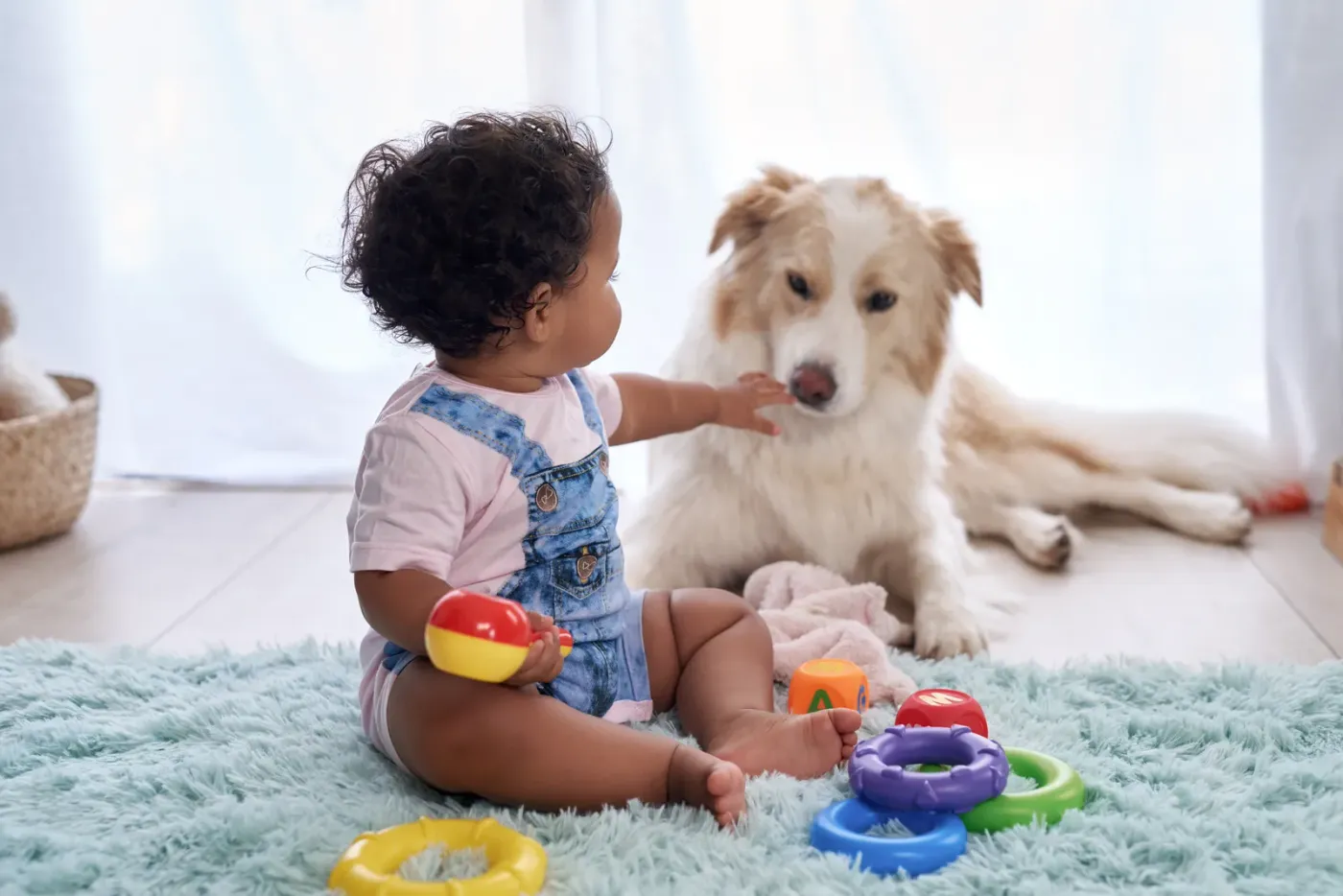
Asked and answered
The questions people ask us.
Should I punish my dog for growling at me on the couch?
No. A growl is a warning, and punishing it can teach a dog to skip the warning and go straight to a snap. Treat the growl as information about how your dog feels, and change the setup instead.
Is my dog being dominant when it growls on the couch?
Usually it is simpler than that. Many dogs guard comfortable spots the same way they guard a chew, because the spot has value to them. Pain and being startled awake are other common reasons worth ruling out.
How do I get my dog off the couch without getting bitten?
Avoid reaching for the collar or pushing the dog. Toss a treat onto the floor so the dog chooses to get down, then manage access so the problem is not rehearsed. Teaching a reliable off cue is the longer-term answer.
Should my dog be allowed on the couch at all?
That is a household choice. For a dog that guards furniture, removing access for now, or allowing it only by invitation, often lowers tension. Access can be reconsidered once the dog moves off happily on cue.
Keep reading
Talk through the couch standoff
Book a consultation and we will assess the guarding, rule in or out a vet visit, and suggest a fitting format.
From real owners
Rated 5.0 on Google.
Real Northline dogs