
Why dogs do it
Why does my dog growl at me?
A growl from your own dog can feel personal. It rarely is. A growl is communication, often the politest objection a dog has left before teeth. That makes it useful information, not defiance. Below, we look at the reasons a dog may growl at the people it lives with, the clues that separate them, and what to do once you have a fair guess.
Last reviewed October 4, 2026
Reading the reason
Guarding, fear and pain leave different clues.
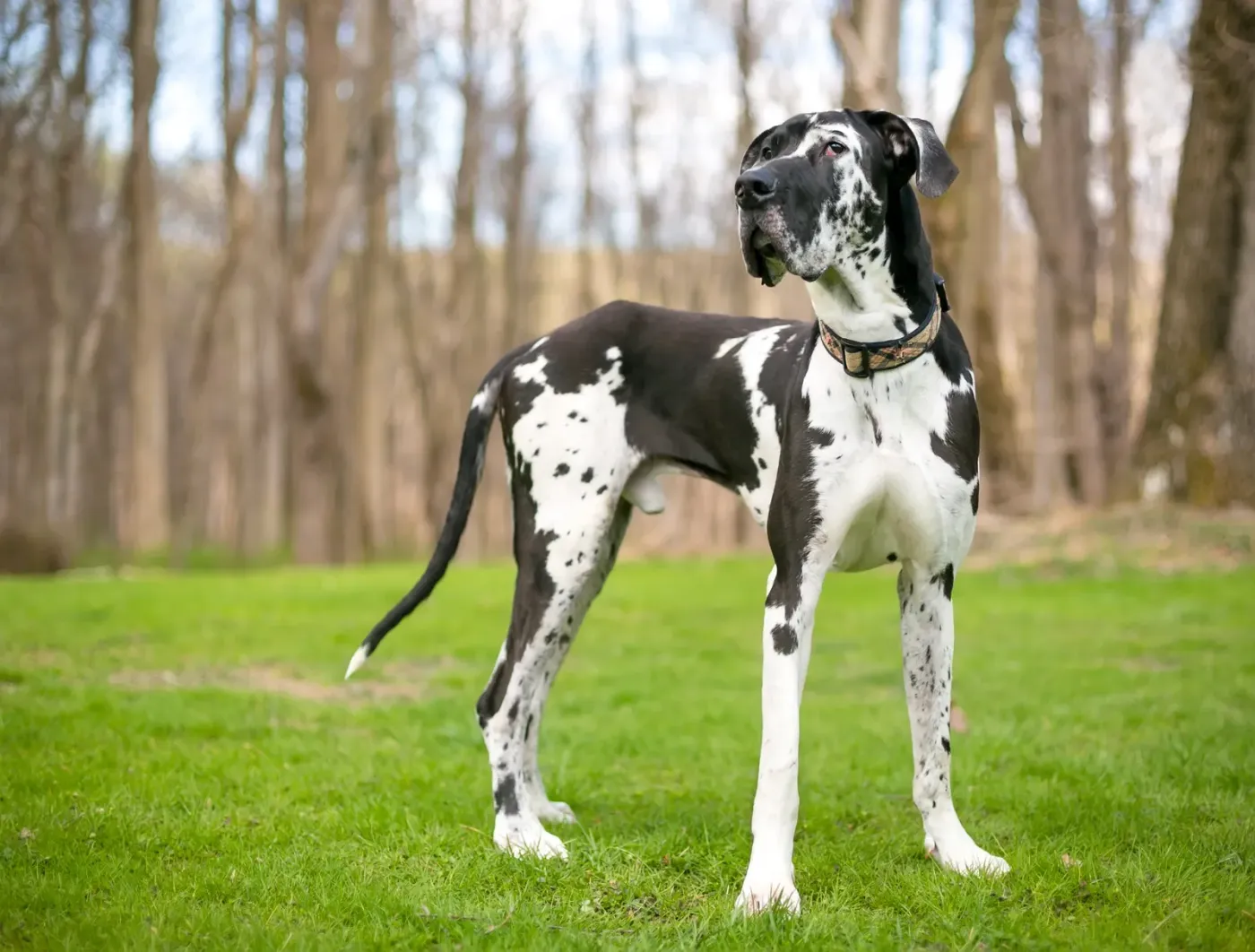
Guarding tends to have an object attached. The growl shows up when you near the food bowl, a stolen sock, a bone, the couch or even a favourite person, and the dog may freeze, stiffen or lower its head over the item. Fear looks different. A fearful dog often leans away, tucks its tail, shows the whites of its eyes or growls when cornered, reached over or woken suddenly.
Pain is the one owners miss. A dog that growls when picked up, brushed on one hip, touched on the ears or asked to climb onto the bed may be protecting a sore spot rather than objecting to you. Look for a pattern: same body part, same movement, same time of day. Note what happened in the second before each growl. That short history is more useful to a vet or trainer than any guess.
- Note the object, place or touch
- Watch for a freeze or stiffening
- Check whether one body part triggers it
- Never punish or scold the growl
Vet, then plan
A new growl starts at the vet, an old one gets a plan.
If the growling is new, started after an injury, comes with limping, or is tied to being touched, book a vet visit before anything else. Pain can change a gentle dog's tolerance quickly, and no amount of training fixes a sore joint. In the meantime, manage: give space around food and chews, avoid reaching over a dog that is resting, and keep children away from the situations that trigger it. Never tell a dog off for growling.
Once a vet has looked, training can address the reason. Our step-by-step how-to guide on growling covers the method; this page only explains it. For one guarding habit at home, a Private Training session ($150 + GST) includes a written plan. For fear-driven or escalating growling, or any bite history, a full assessment comes first, and Behaviour Rehab is built for that work. The consultation recommends the program, and it will say so if something smaller covers it.
Asked and answered
The questions people ask us.
Should I punish my dog for growling at me?
No. Punishing the growl can suppress the warning without changing the feeling behind it, which leaves a dog more likely to snap without notice. Give space, note the trigger and work on the cause.
Why did my dog suddenly start growling at me?
A sudden change is a reason to see a vet first, because pain often shows up as new touchiness. If the vet finds nothing, a professional assessment can look at what changed at home.
Why does my dog growl when I touch him while he is sleeping?
Many dogs startle when touched while asleep, and some growl before they are fully awake. Call your dog's name from a distance instead of touching, and mention the pattern to your vet if it is new.
Is growling over toys or food normal?
Guarding valued things is a common dog behaviour, but it should not be ignored. Manage it by giving space at meals and chew time, and get professional help before it grows.
Keep reading
Understand the growl, safely
Tell us when and where the growling happens. We will assess it and recommend the right next step. Book a consultation.
From real owners
Rated 5.0 on Google.
Real Northline dogs