
Why dogs do it
Why does my dog get the zoomies at night?
It is nine at night, the house is winding down, and your dog suddenly tears laps around the couch with ears pinned back and a wild grin. Owners call them zoomies; behaviour folks call them frenetic random activity periods. This page explains why they cluster at night, how to tell an energy dump from an overtired puppy meltdown, and when they deserve more than a laugh.
Last reviewed October 4, 2026
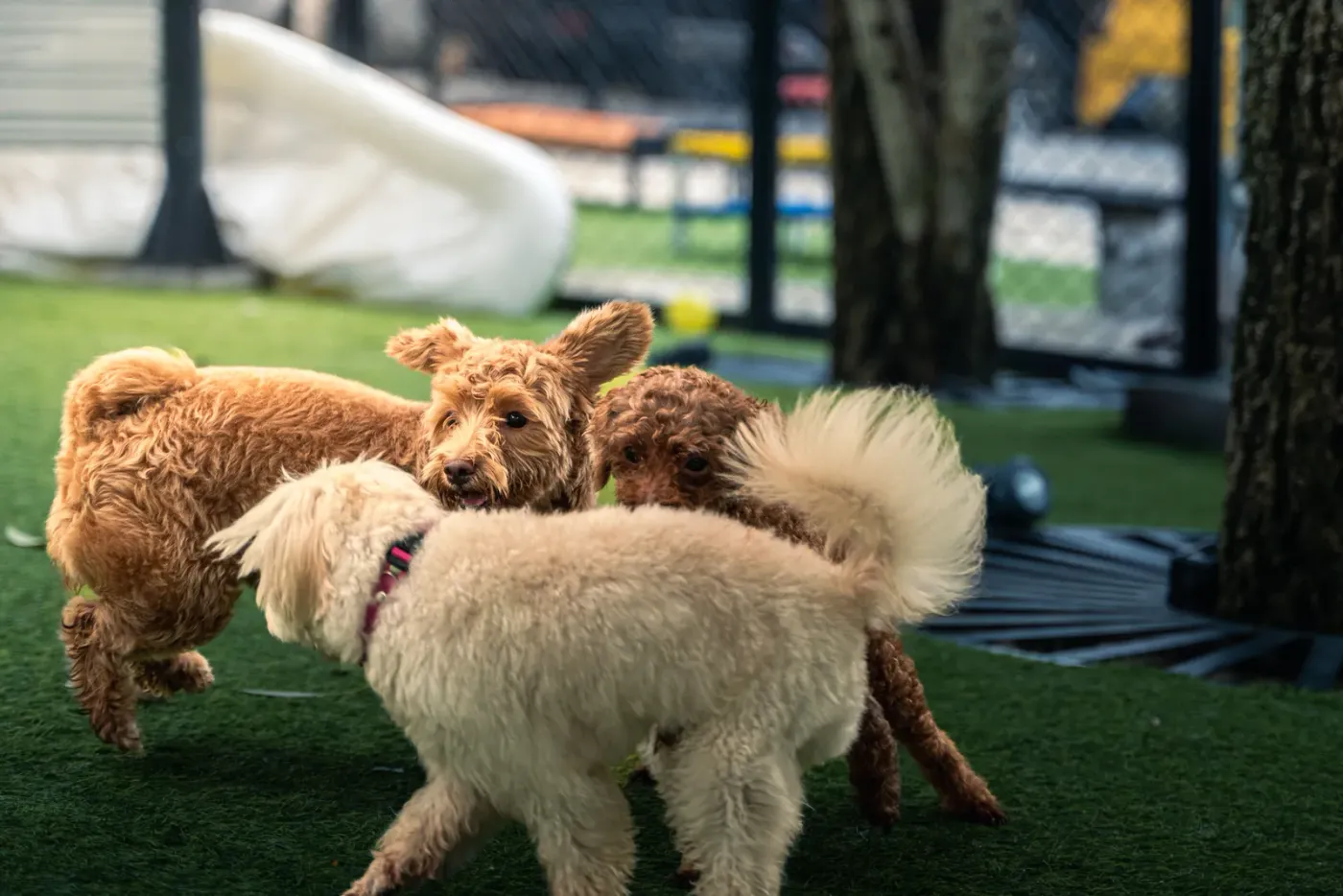
Three common causes
Spare energy, a routine gap, or a puppy past tired.
Spare energy is the simplest reason. A dog who spent the day napping while everyone worked may still have fuel in the tank at bedtime, and running laps burns it fast. A routine gap looks similar but shows up on particular nights: the evening walk got skipped, a visitor left, or dinner arrived late. Many dogs also zoom right after a bath or after pooping, which seems to release built-up tension.
Overtired puppies are the odd ones out. Instead of winding down, they often wind up: zooming, nipping at ankles and pant legs, grabbing couch cushions, then crashing hard soon after. An adult dog with spare energy tends to stop on its own and look pleased with itself. Note the clock and what came just before. A pattern after a skipped walk points one way; a pattern after a big, busy puppy day points the other.
- Laps after a skipped walk
- Zooming right after a bath
- Puppy nipping while zooming
- Crashing asleep straight afterwards
Normal or not
Signs a vet should look first, and where training fits.
Short, playful bursts are normal dog behaviour. Talk to your vet if the zoomies are new in an older dog, if your dog cannot settle through the night, if there is spinning, tail-chasing or scooting, or if your dog slips and limps afterwards. Those can point to discomfort or something medical, and a trainer should not guess at that. Hardwood floors and stairs add a physical risk worth managing on any night.
If your dog is well, the question is how the day is built. Management comes first: clear breakable items, put a rug on slick floors, and close the stair gate in the evening. Our how-to guide covers winding a dog down. Puppy Fundamentals ($2,775 + GST) works on crate comfort and structured routine; Day Training ($650 + GST per week) adds weekday structure while your dog sleeps at home. The consultation is where we suggest a fit, which can be the lighter option.
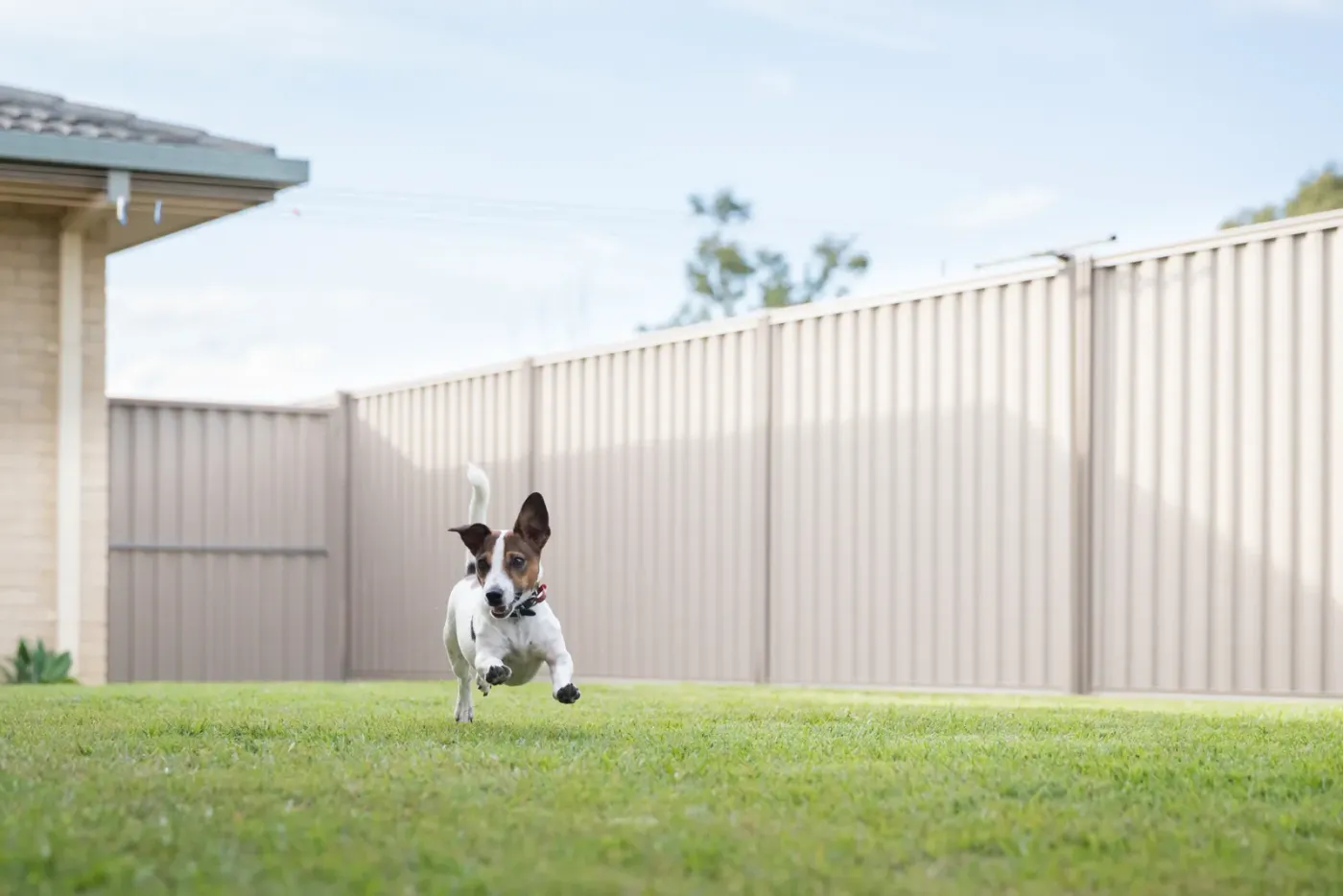
Asked and answered
The questions people ask us.
Why does my dog go crazy at night?
Often it is leftover energy or a gap in the day's routine, released in one fast burst. Puppies may also zoom because they are overtired. If it comes with distress or injury, check with your vet.
Are zoomies bad for dogs?
Brief zoomies in a safe space are a normal part of dog behaviour. The risks are mostly physical: slippery floors, stairs and furniture corners. Persistent restlessness that never settles is worth raising with a vet.
Should I stop my dog's zoomies?
There is usually no need to stop a short, happy run, as long as the space is safe. Chasing the dog tends to turn it into a game. If zoomies are nightly and intense, look at the day's structure rather than the burst itself.
Why does my puppy get zoomies before bed?
Many puppies get more wound up, not less, when they are overtired. The zoomies can be a sign the pup needed a nap sooner. A predictable evening routine with calm downtime is a sensible place to start.
Keep reading
Calmer evenings, built by day.
Book a consultation and we will look at your dog's day and suggest a structure that suits your household.
From real owners
Rated 5.0 on Google.
Real Northline dogs