
Why dogs do it
Why does my dog eat grass?
Grass eating worries owners more than it seems to worry dogs. For many dogs it is a snack, a texture thing, or something to do on a slow walk. For some it lines up with an upset stomach. This page sorts the ordinary habit from the signs worth a vet visit, and explains where training genuinely fits.
Last reviewed October 4, 2026
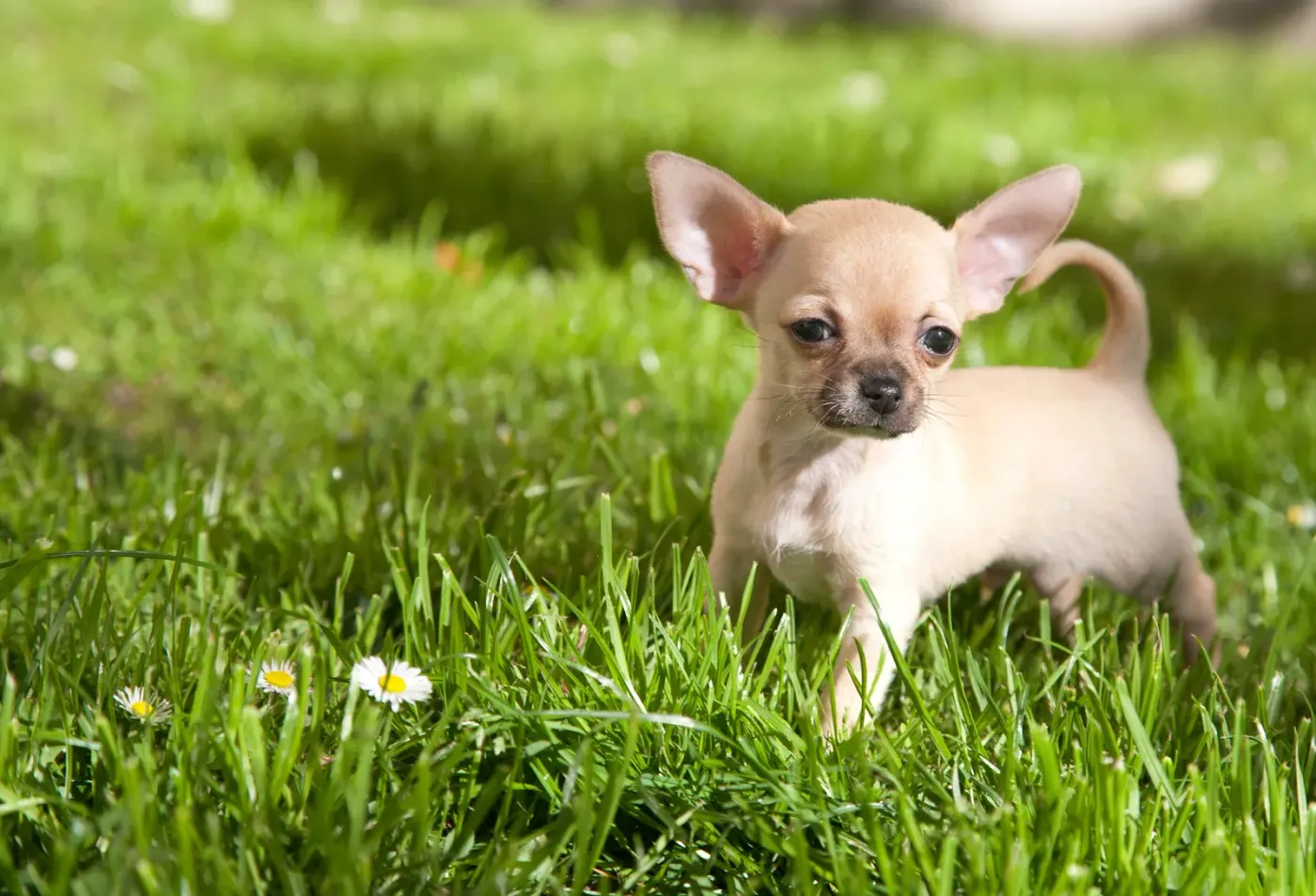
Grazer or gulper
Telling a snack from a stomach signal.
Calm grazing, where a dog picks particular blades and chews them slowly, often looks like simple preference. Many dogs seek out tender new shoots and ignore dry stalks. Boredom plays a part for some, especially on the same short route every day. Puppies may eat grass because they put everything in their mouths, which overlaps with general scavenging on walks.
Gulping is different. A dog who urgently tears up large mouthfuls, licks its lips, swallows repeatedly or vomits soon after may be uncomfortable, and that pattern is worth noting for your vet. Context helps too: grazing after breakfast on a sunny afternoon reads differently from a dog pacing to the back door at night to eat grass. Write down when it happens and what follows.
- Slow, picky chewing of blades
- Frantic gulping of mouthfuls
- Lip licking or swallowing first
- Vomiting soon after eating
When to call
Vet visits, lawn sprays and training.
Call your vet if grass eating is new, frequent or frantic, or if it comes with vomiting, diarrhea, low energy or skipped meals. Your vet can look at diet and digestion and decide what is going on. Lawn treatments matter too: grass on sprayed lawns or boulevards may carry products you do not want your dog swallowing, so ask your vet what to avoid.
Training helps when the grazing is a walk habit rather than a health signal. The first steps are simple: keep the leash short past treated or unknown lawns, and give the walk more to do. Our how-to guide on scavenging covers the method. On-Leash Foundations works on loose-leash walking and everyday distractions, and the consultation may suggest a smaller option, like Private Training, when that is enough.
Asked and answered
The questions people ask us.
Why does my dog eat grass and then throw up?
Some dogs vomit after eating grass, and it is not always clear which came first, the upset stomach or the grass. If it happens more than occasionally, or with lethargy or a poor appetite, talk to your vet.
Should I stop my dog from eating grass?
Occasional grazing on untreated grass is often harmless. It is worth stopping on lawns that may be sprayed, and in any dog your vet has concerns about. A cue to leave it and walk on is useful either way.
Is my dog eating grass because it is hungry?
Some dogs graze more around mealtimes, but hunger is only one possibility. Diet questions belong with your vet, who can look at what and how much your dog eats.
Why does my dog suddenly eat grass like crazy?
A sudden change, especially frantic gulping, is a reason to call your vet rather than wait. Note when it started, how often it happens and what follows, so your vet has the full picture.
Keep reading
Make walks about walking
If grazing has become the main event on every walk, we can help you build a better one. Book a consultation.
From real owners
Rated 5.0 on Google.
Real Northline dogs