
Why dogs do it
Why does my dog bring me toys?
Many dogs bring you toys to start a game, to manage the excitement of a greeting, or because carrying things is bred into them. That is why a slightly damp rope toy appears the moment you walk in, then gets pushed into your knee during a work call. Here is how to read which one you have, and when it tips into something worth changing.
Last reviewed October 4, 2026
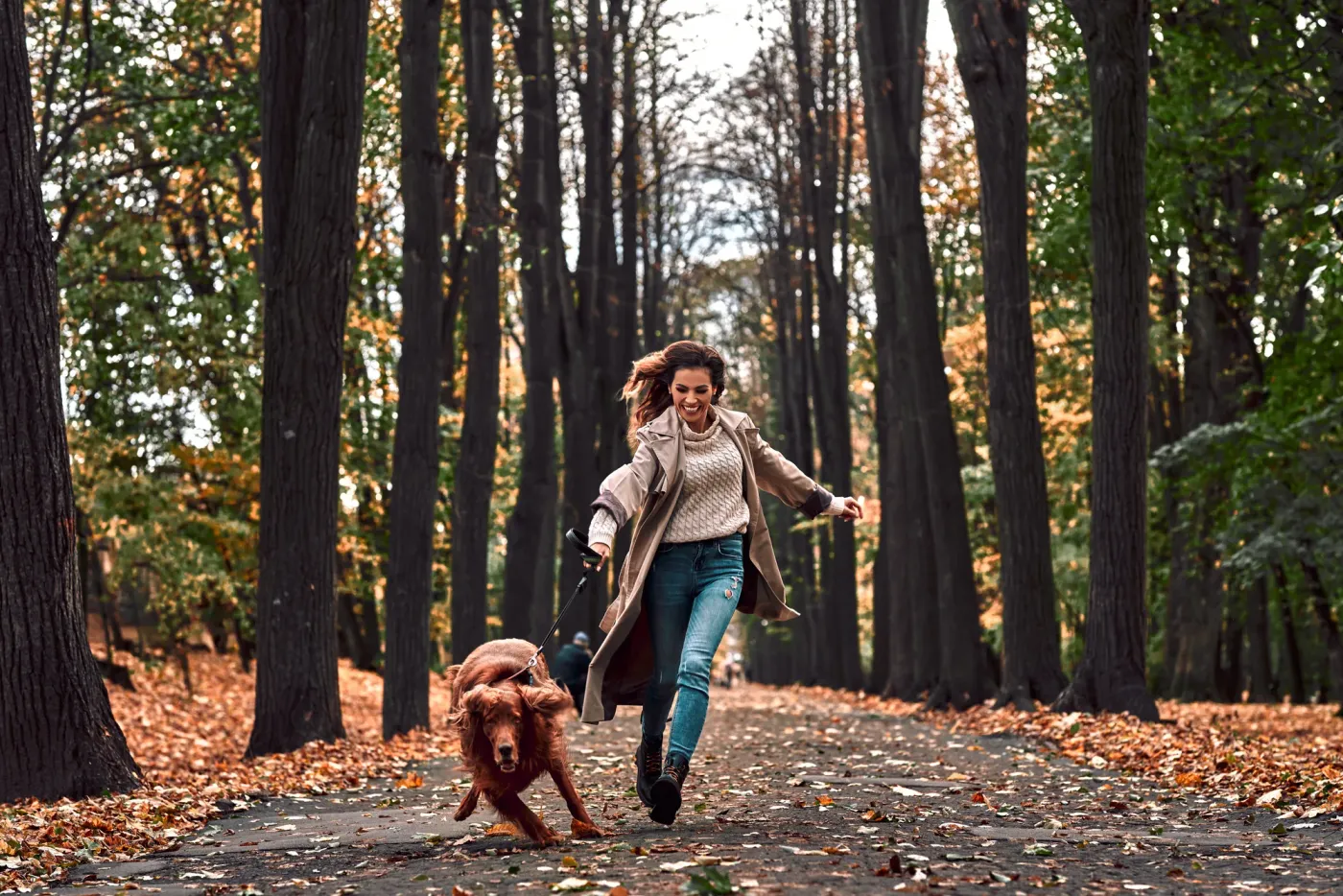
Gift or game
Play, greeting or breeding: what the toy is telling you.
A play invitation is the most common reading. The toy lands at your feet, the dog backs up, bows or bounces, and waits for you to move. A greeting ritual looks different: the dog grabs a toy when you arrive and parades it around, wagging, often without wanting to give it up. Holding something in the mouth seems to help many excitable dogs manage the big moment.
Then there is genetics. Retrievers, spaniels and many sporting crosses were bred to pick things up and carry them to people, so the urge can run strong. The clues differ. A player drops the toy and stares at it, then at you. A greeter clings to it and circles. A natural retriever brings things again and again, sometimes socks, shoes or sticks, and may get pushy if you stop throwing.
- Drops toy, backs up, waits
- Parades toy only at greetings
- Keeps the toy, will not release
- Fetches anything, again and again
When to step in
Health flags, pushy fetch and guarded toys.
A vet check makes sense if your dog suddenly stops carrying toys they used to love, drops them while chewing, or seems sore around the mouth or jaw. On the behaviour side, two patterns deserve attention: a toy that becomes a demand, pushed at you nonstop until you give in, and a toy your dog stiffens over or growls about when someone reaches. Never punish that growl. Book a professional assessment instead.
For the method itself, see our how-to guide on this behaviour; this page only explains it. The first steps are calm management: put toys away during meals and calls, start games on your schedule, and trade rather than grab. Private Training, $150 + GST per one-hour session, covers obedience such as a reliable drop, with a written plan for your home. Guarding with stiffness or growling is work Behaviour Rehab is built for after a full assessment, and the consultation recommends a smaller option when that is enough.
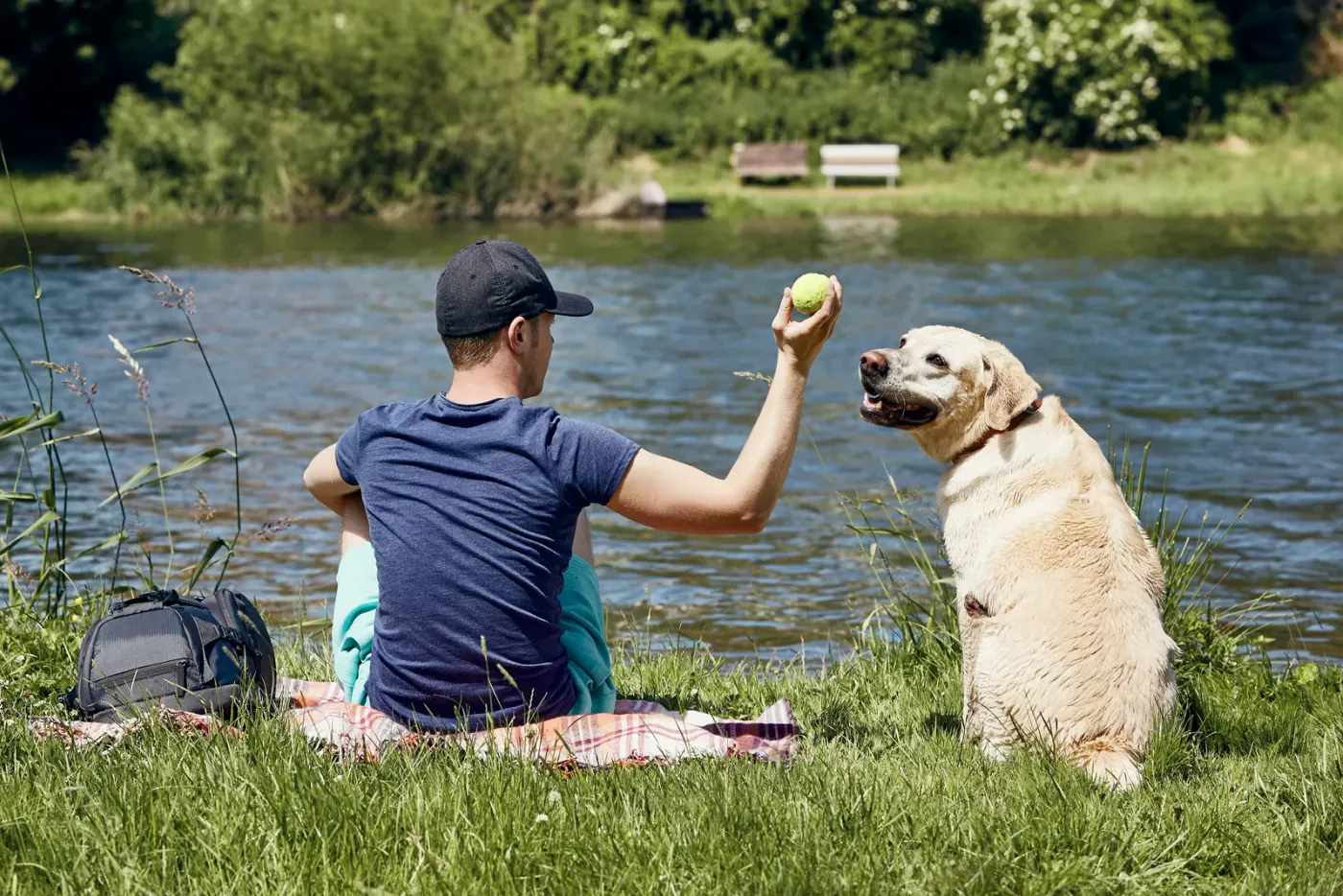
Asked and answered
The questions people ask us.
Why does my dog bring me a toy but not let me take it?
This is often part of a greeting ritual or a game of keep away. Your dog wants your attention, not necessarily a trade. If the keeping involves stiffness or growling, get a professional opinion.
Why does my dog bring me toys when I get home?
Many dogs grab a toy to manage the excitement of a greeting. Carrying something seems to give the energy somewhere to go, and it is usually harmless.
Is my dog bringing me toys a sign of affection?
Often it is a sign your dog wants to interact with you, which is close enough. It can also be a bid for play or a learned habit that reliably earns attention.
Why does my dog keep dropping the ball at my feet?
Fetch is self-rewarding for many breeds, especially retrievers. If it becomes relentless, a clear start and finish to games helps, and our how-to guide covers the method.
Keep reading
Make playtime work for you
Book a consultation and we will help you read your dog's toy habits and set play rules that suit your home.
From real owners
Rated 5.0 on Google.
Real Northline dogs