
Why dogs do it
Why does my dog bark at me?
You sit down with a coffee and the barking starts: sharp, pointed, aimed right at your face. It can feel rude, even personal. It usually is not. Barking at you is often a learned strategy, and your dog is simply repeating what has worked before. The good news is that whatever was paid for can be repriced.
Last reviewed October 4, 2026
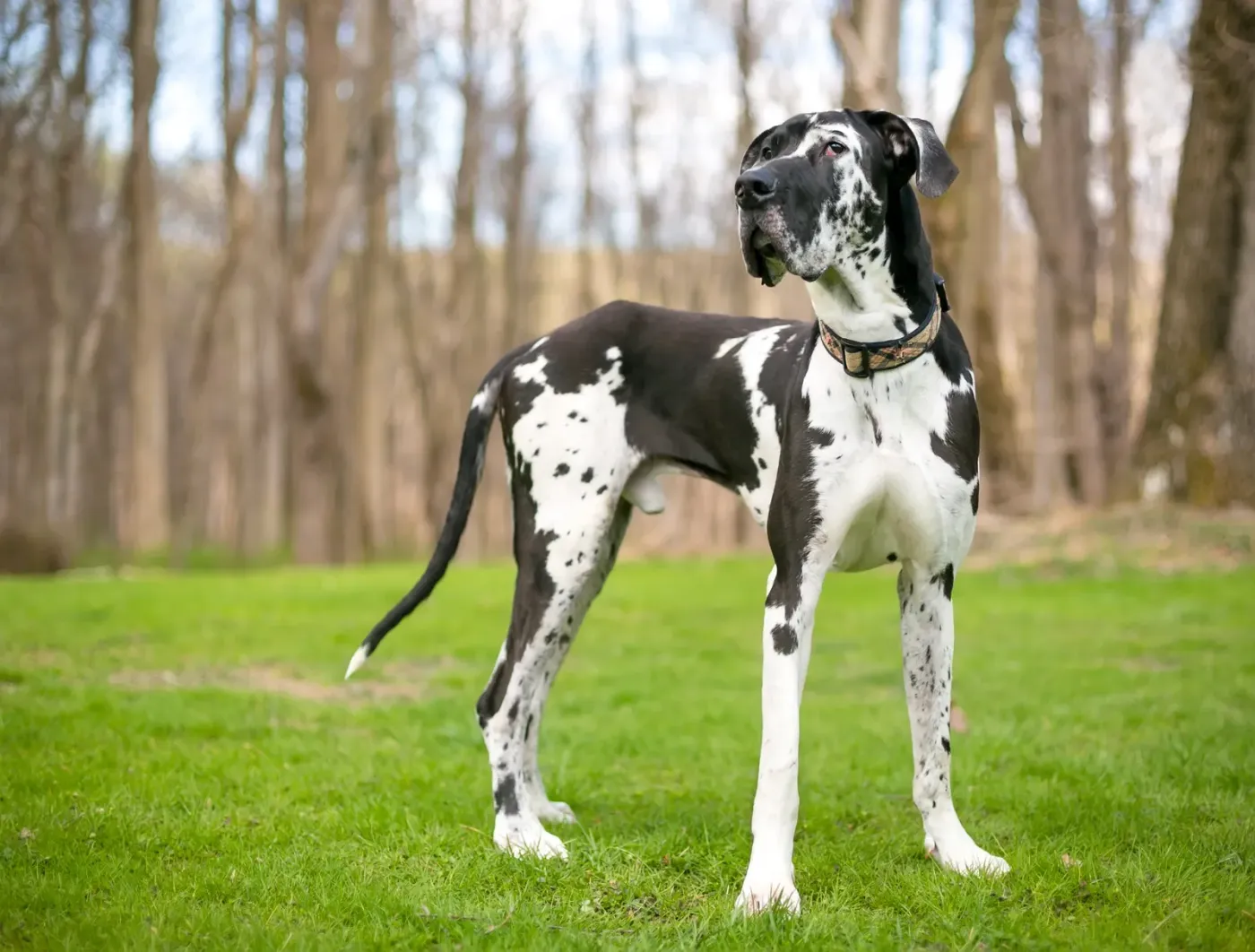
What the bark wants
Demand, boredom or something else entirely.
Demand barking tends to be rhythmic and directed. The dog stands facing you, often makes eye contact, and pauses between barks to see if you respond. It usually shows up around predictable moments: your meals, the time you normally walk, when the ball rolls under the couch. If the barking stops the instant you get up, open a door or toss a toy, you have found its paycheque.
Other barking at owners looks different. A dog with little to do all day may bark from boredom, often paired with pacing or chewing. Play barking comes with a bouncy bow and a loose body. Barking paired with growling, stiffness or guarding of a spot or object is not demand barking and deserves a professional look. Sudden new barking in an older dog, especially at night, is worth raising with your vet.
- Eye contact between barks
- Starts at predictable times
- Stops when you respond
- Bouncy body versus stiff
Changing the price
Stop paying for noise and start paying for calm.
Rule out the medical side first. New barking in a senior dog, barking when touched, or barking with restlessness at night are reasons to talk to your vet. Never punish barking that comes with growling, because a growl is information. For true demand barking, the principle is simple: whatever the bark has been earning, from attention to dinner, now goes to quiet moments, sitting politely or lying on a mat.
When barking stops working, it may temporarily increase as your dog tests the old rule. If it persists or escalates, reassess with a professional. Our how-to guide on stopping demand barking walks through the method. Private Training gives you a one-hour session and a written weekly plan; Day Training adds weekday structure. At the consultation we look at which home moments the barking has been earning, then recommend a program, smaller when that is enough.
Asked and answered
The questions people ask us.
Why does my dog bark at me for no reason?
There is usually a reason, even if it is not obvious. Look at what happens right after the barking: if you look, speak, feed or play, the bark has likely been rewarded. Boredom and discomfort are other possibilities.
Why does my dog bark at me when I sit down?
Sitting down often signals that attention is about to end, so many dogs bark to restart play or earn a treat. It is a classic demand pattern. Rewarding your dog for settling nearby tends to work better than responding to the noise.
Should I ignore my dog barking at me?
Ignoring can help with demand barking, as long as basic needs like toilet breaks, water and exercise are covered. Never ignore barking that signals distress or a need to go outside. Pair ignoring the noise with rewarding the quiet.
Why does my dog bark at me when I tell it no?
Some dogs bark back out of frustration when something they wanted is blocked. It is rarely defiance. Teaching what to do instead, such as going to a mat, usually serves better than repeating the no.
Keep reading
Trade the barking for calm.
If your dog has learned that barking at you works, we can help you change what pays. Book a consultation.
From real owners
Rated 5.0 on Google.
Real Northline dogs