
Timing
When should you start puppy training?
The moment your puppy comes home. Not formal drills at eight weeks, but name response, crate comfort, gentle handling, and socialization start on day one, because your puppy is learning constantly whether anyone is teaching or not. The genuinely time-sensitive piece is the early socialization window, and waiting for a magic age quietly spends it.
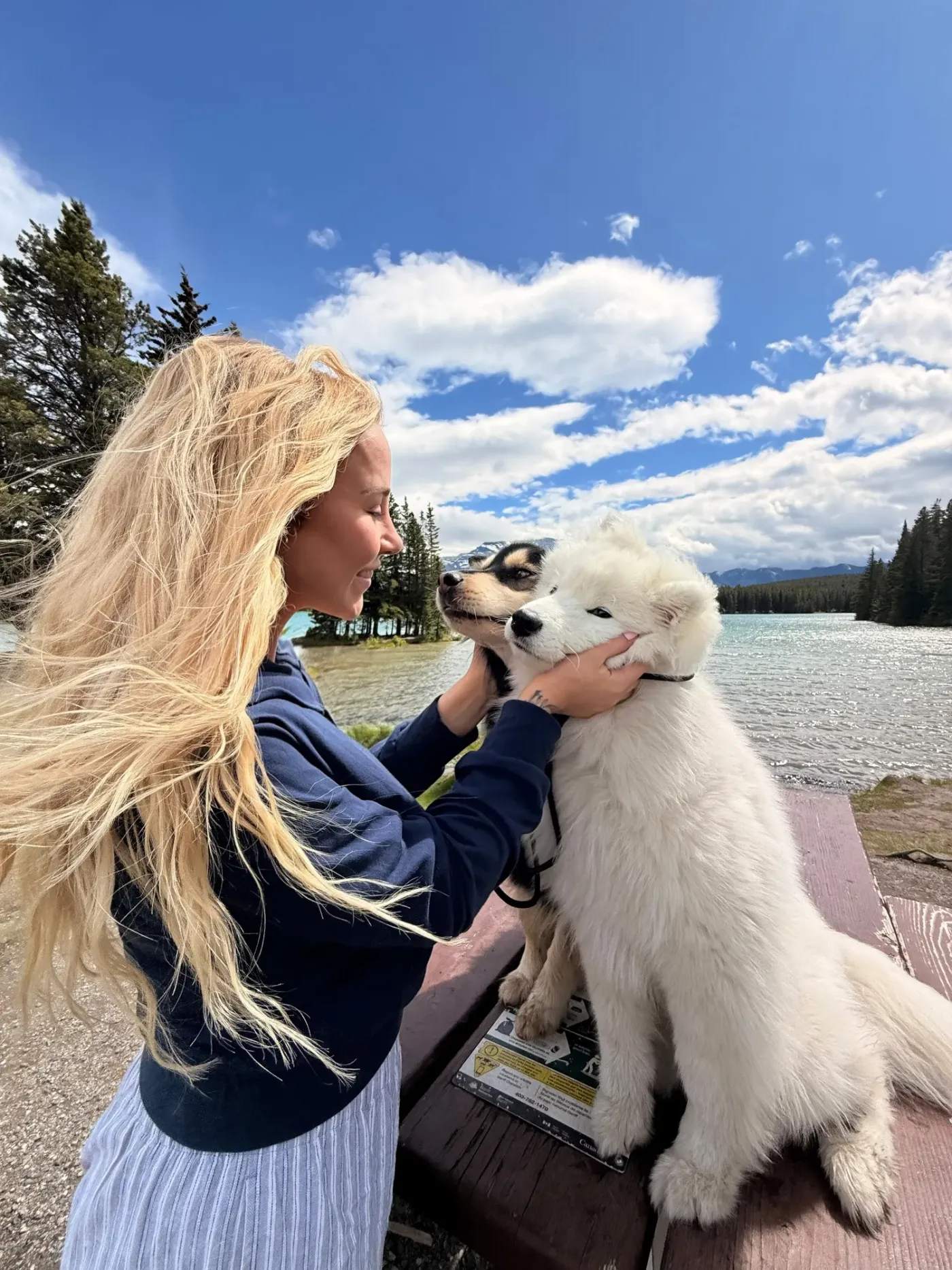
The age map
What belongs at each stage.
At eight to ten weeks: name, crate rhythm, handling of paws and ears, first tiny sits for food, and calm exposure to household life. At ten to sixteen weeks, the socialization heart: new surfaces, sounds, people, and carefully chosen dog encounters, paired with good outcomes and never past the startle point. From four months on, real skill-building takes the lead: leash manners, place, stay durations, and the first distraction proofing.
Notice what is missing: any stage called too early to bother. The old advice to wait six months for training came from harsh-methods eras when training meant corrections a baby could not take. Reward-based teaching has no minimum age.
- Day one: name, crate, handling, calm exposure
- 10 to 16 weeks: the socialization priority
- 4 months on: skills and distraction proofing
- Never: a stage where waiting helps
The cost of waiting
Late starts are fixable, just more expensive.
Adult dogs learn skills at any age; that door never closes. What gets harder is undoing: the pulling that got rehearsed for a year, the fear of strangers that set during an unsocialized spring. Owners who wait typically end up buying behaviour modification later at rehab prices when foundation prices would have covered it. If your puppy is already past the window, do not panic, but do start now.
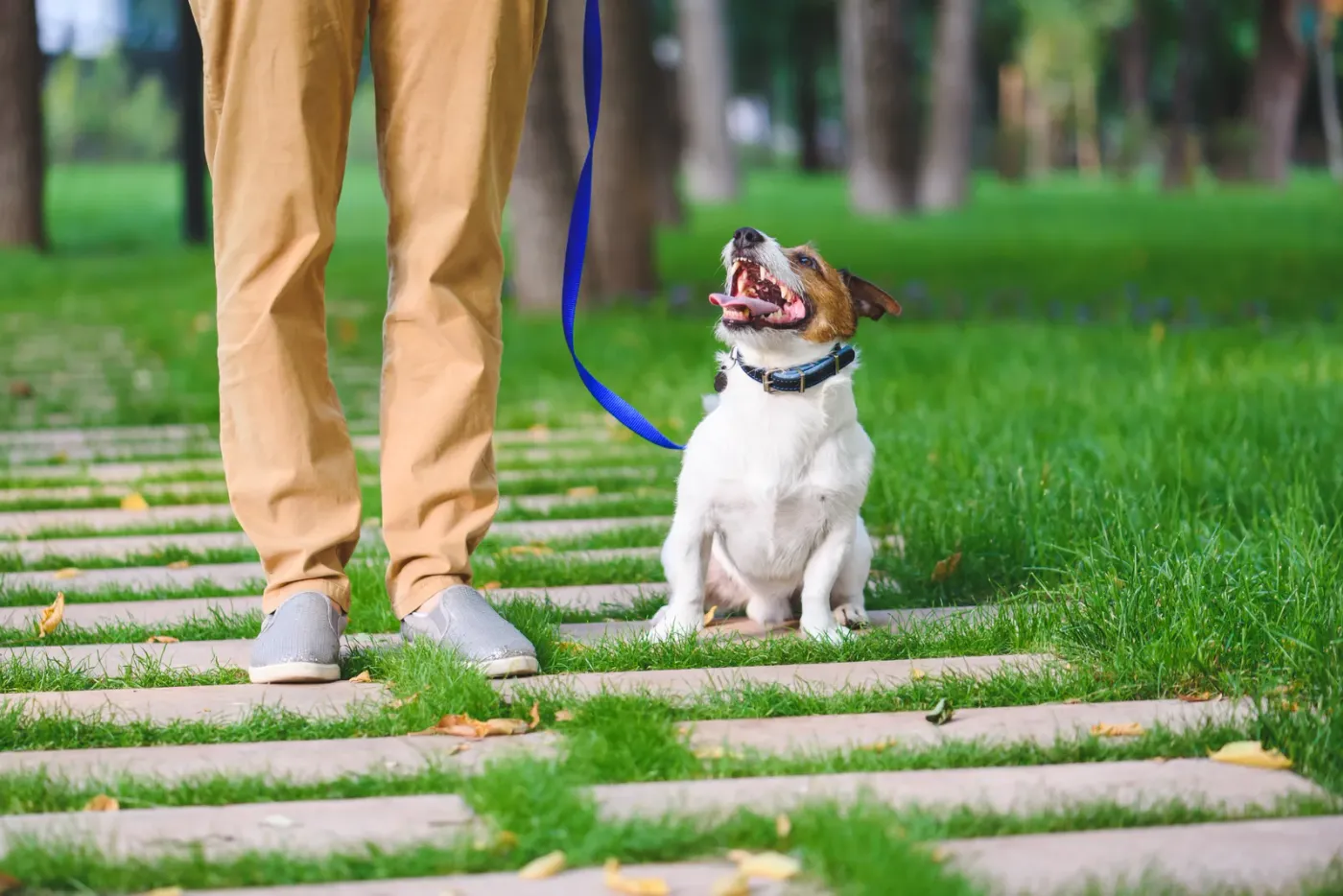
The programs
Starts for every stage.
In the window: Puppy Fundamentals. Hands-on from home: private coaching. Already an adolescent: the foundations still work.
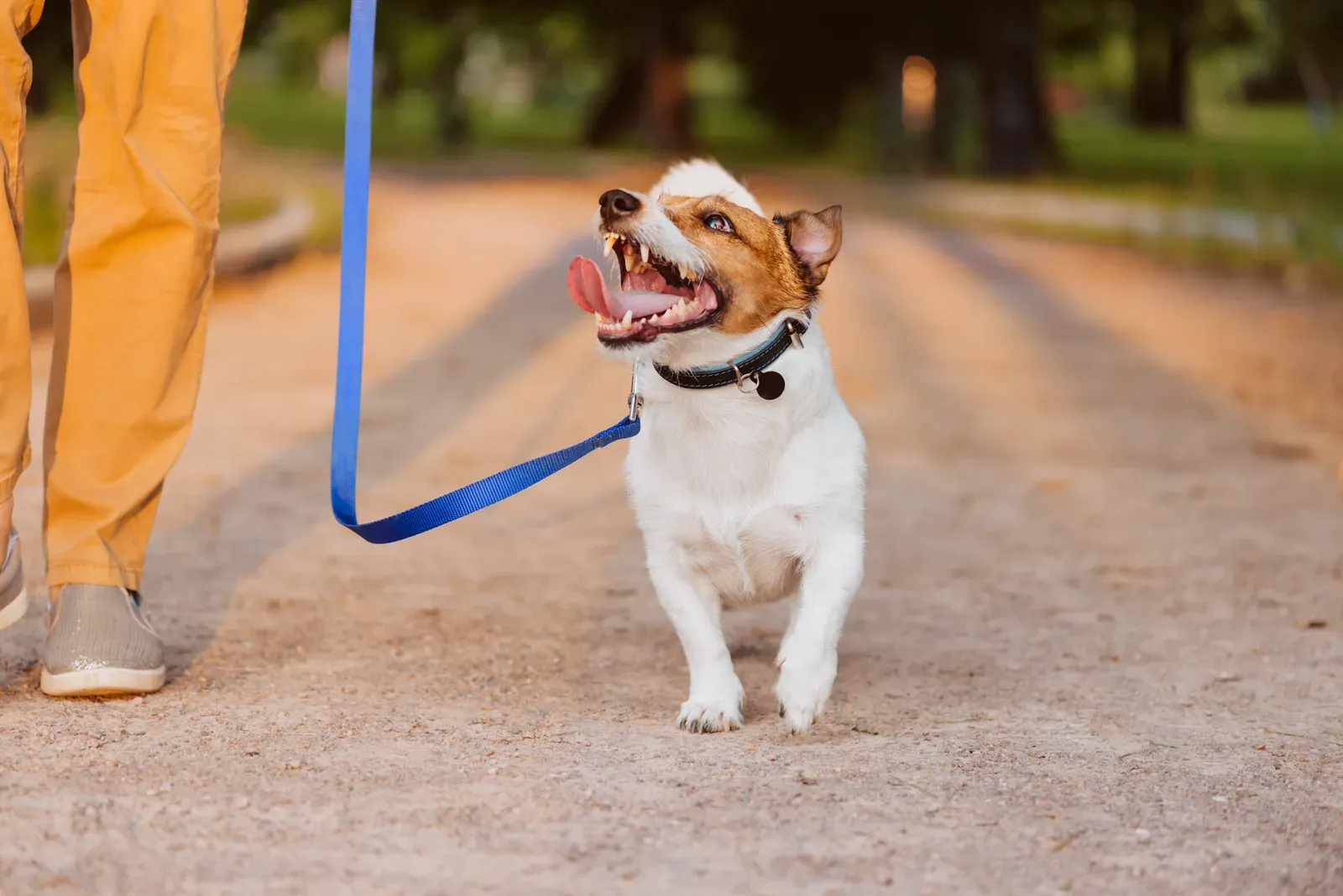
W · One-hour session
Private Training
One-on-one coaching with you on the other end of the leash.
Includes a written weekly plan to work from
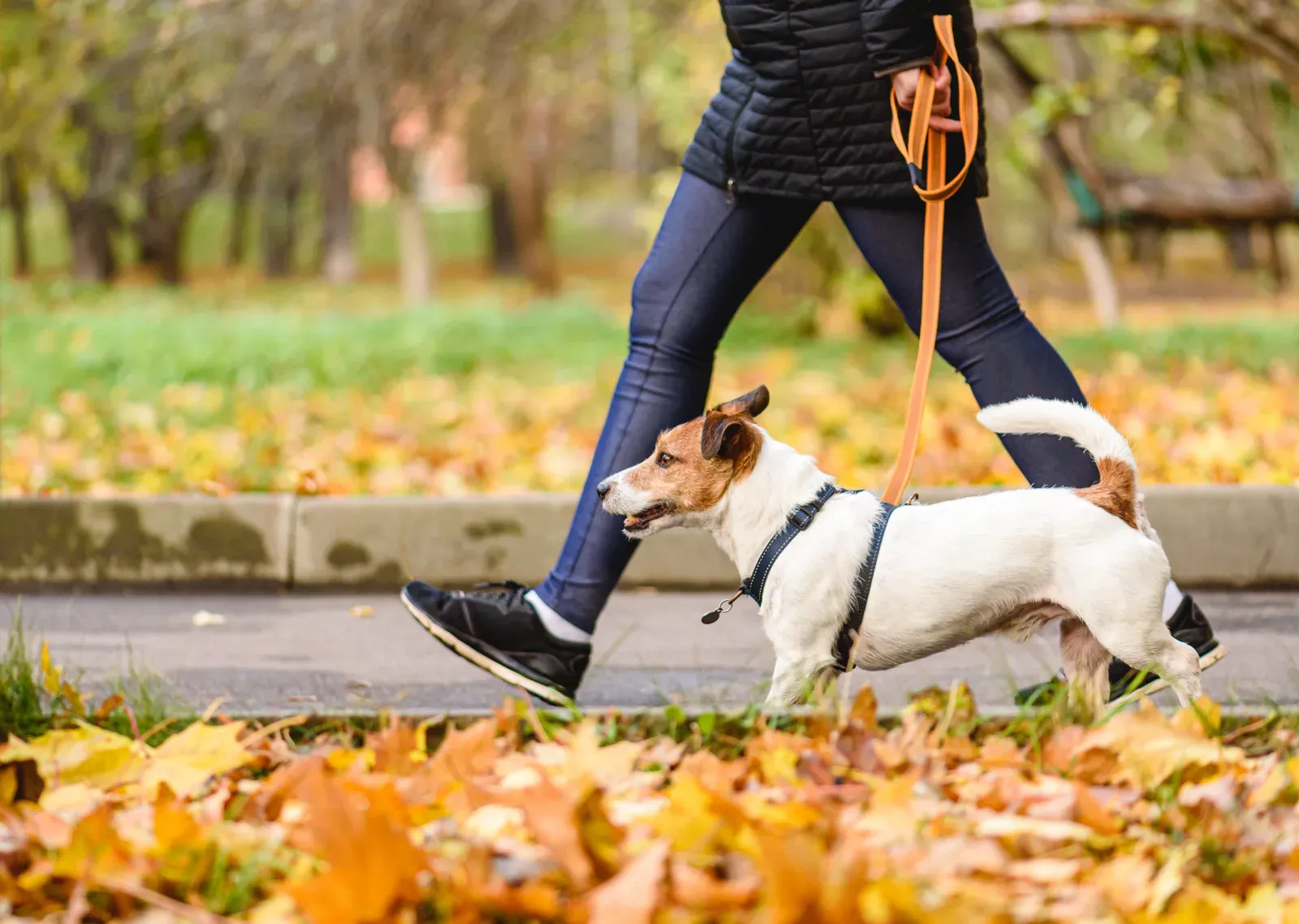
NE · 2-week board & train
On-Leash Foundations
If every walk is a wrestling match, pulling, barking, zig-zagging, this two-week program rebuilds the walk from the ground up with foundational on-leash obedience..
Includes handover lesson, follow-up session, lifetime support, slip lead + collar
N · 3-week board & train
Puppy Fundamentals
Your puppy's first months decide the habits of a lifetime.
Includes handover lesson, follow-up session, slip lead + collar
Asked and answered
The questions people ask us.
When should puppies start leash training?
Indoors from the first week: a light leash dragging during play, then following for treats. Real loose-leash walking practice starts as soon as your vet clears outdoor walks, and before pulling has months of rehearsal behind it.
What age should a puppy start training classes or programs?
Structured programs start once vaccination guidance allows group settings. Our three-week Puppy Fundamentals is built for exactly that early window, and private coaching can start even earlier at home.
When do puppies start potty training?
Day one, through management rather than commands: scheduled trips out, supervision between them, and rewards at the right spot. Consistency does the teaching; punishment only teaches hiding.
Is six months too late to start?
Not remotely. You have an adolescent instead of a blank slate, so expect to untrain a few rehearsed habits along the way. Every Northline program takes teenagers, and they graduate just as well.
Keep reading
Start where your puppy is.
Eight weeks or eight months, the consultation maps the right next step for the dog you actually have.
From real owners
Rated 5.0 on Google.
Real Northline dogs