
Glossary
What is socialization, properly defined?
Ask a room of owners what socialization means and many will describe a puppy being passed around a party or let loose in a busy dog park. That picture is where a lot of trouble starts. Here we define the term carefully, walk through one example, and explain how it shows up in our programs and where well-meaning owners go wrong.
Last reviewed October 4, 2026
Defining the term
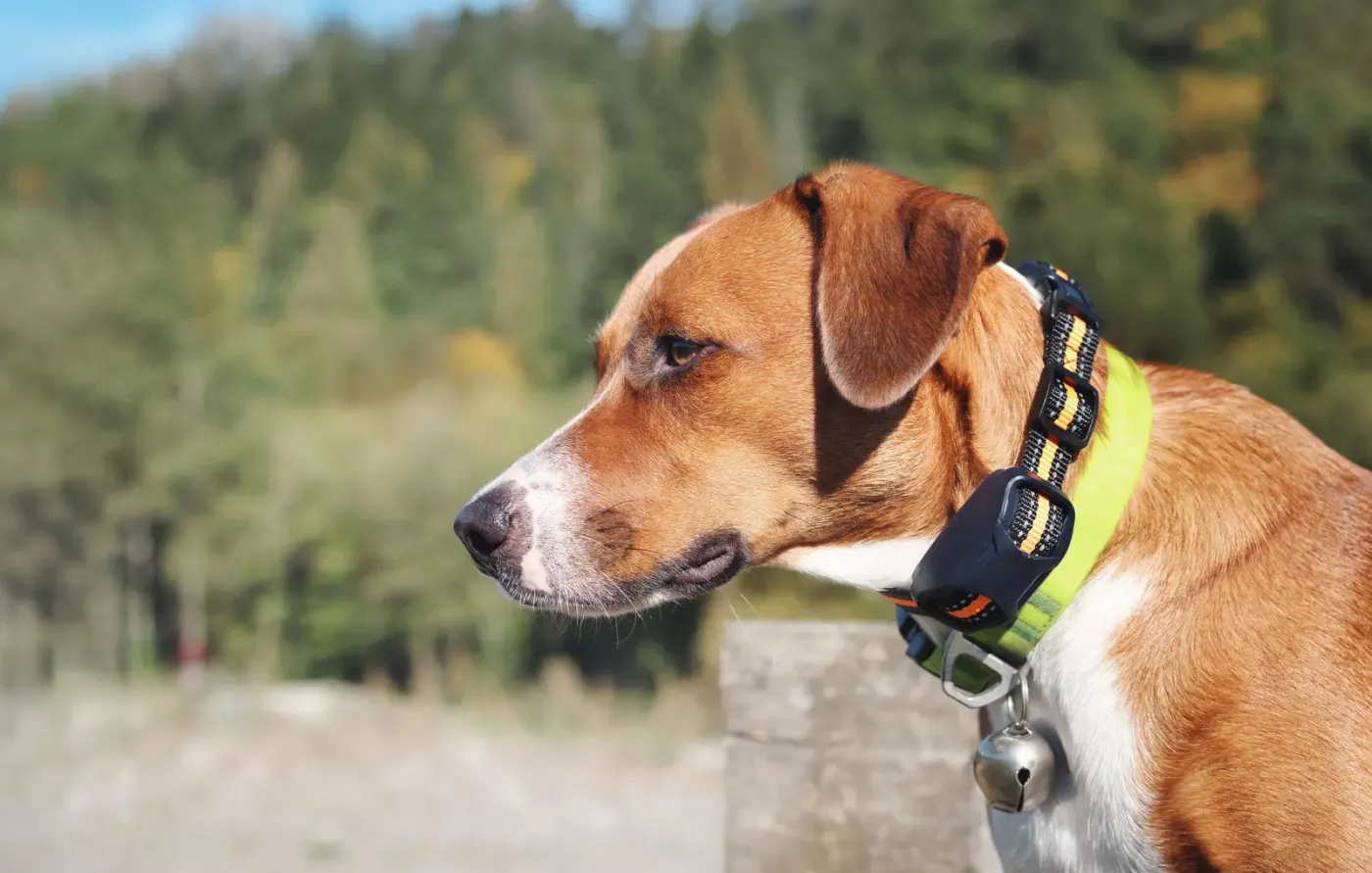
Exposure that leaves a good feeling, not a long guest list.
Socialization is learning, and what a dog learns depends on how each experience felt. A dog who watches a skateboard roll past from a comfortable distance, then gets a reward, files skateboards under boring or good. A dog who is held still while a stranger reaches for its face may file strangers under scary. Same kind of experience, opposite lesson. That is why we measure socialization by the dog's emotional state, not by the number of encounters.
Say an adolescent Lab is new to buses. A useful session might mean sitting on a bench well back from a busy stop, marking and rewarding each time the dog glances at a bus and turns away loose and curious. The dog never has to board, greet passengers or stand at the curb. If the dog stiffens or stops taking food, you add distance. That quiet bench time does more than a forced ride across town.
- Dog chooses to look or engage
- Distance adjusted to comfort
- Rewards for calm observation
- No forced greetings or handling
In practice here
Socialization inside our programs, and the usual errors.
Structured socialization appears by name in Puppy Fundamentals, Functional Off-Leash, Day Training and Behaviour Rehab. In each case it means planned exposures with one dog at a time, markers and rewards first, and the difficulty set by how that individual dog is coping. Because everything we do is one-on-one, there is no group class turning into a free-for-all. A worried dog can watch from further back while a confident one works closer.
The common errors are well meant. Owners count greetings instead of watching body language, push a shy dog to say hello, or treat the off-leash park as a socialization class. Others assume a dog that is friendly at home needs none. Trouble also comes from simply waiting it out. A fearful or reactive adult deserves a professional assessment rather than more exposure, and a vet visit if the change came on suddenly.
Asked and answered
The questions people ask us.
Is it too late to socialize an older dog?
Adult dogs can still form new positive associations, though the work tends to be slower and more careful. If an older dog is already fearful or reactive, start with a professional assessment rather than more outings.
Does socialization mean my dog has to meet other dogs?
No. Learning to watch other dogs calmly and walk on is often more valuable than greeting them. Greetings are optional, and best kept to dogs and owners you know are a good fit.
Are dog parks good for socialization?
A busy off-leash park is unpredictable, and one rough encounter can teach the wrong lesson. Controlled exposure, where you can manage distance and reward calm behaviour, usually teaches more.
How do I know if a socialization outing went well?
Look at your dog, not the checklist. A loose body, an appetite for treats and curiosity are good signs, while freezing, refusing food or pulling to leave suggest the setting was too much.
Keep reading
Socialization done properly
Book a consultation to plan calm, one-on-one exposure that suits your dog's temperament and stage of life.
From real owners
Rated 5.0 on Google.
Real Northline dogs