
Glossary
What is neutrality in dog training?
Plenty of owners hope for a dog that loves everyone. The dog that is easiest to live with is usually a different animal: one that glances at the poodle across the street, glances back at you, and keeps going. That quiet skill is neutrality. Below is a working definition, an example from a sidewalk, and where it sits in our training.
Last reviewed October 4, 2026
What it means
Noticing, then moving on.
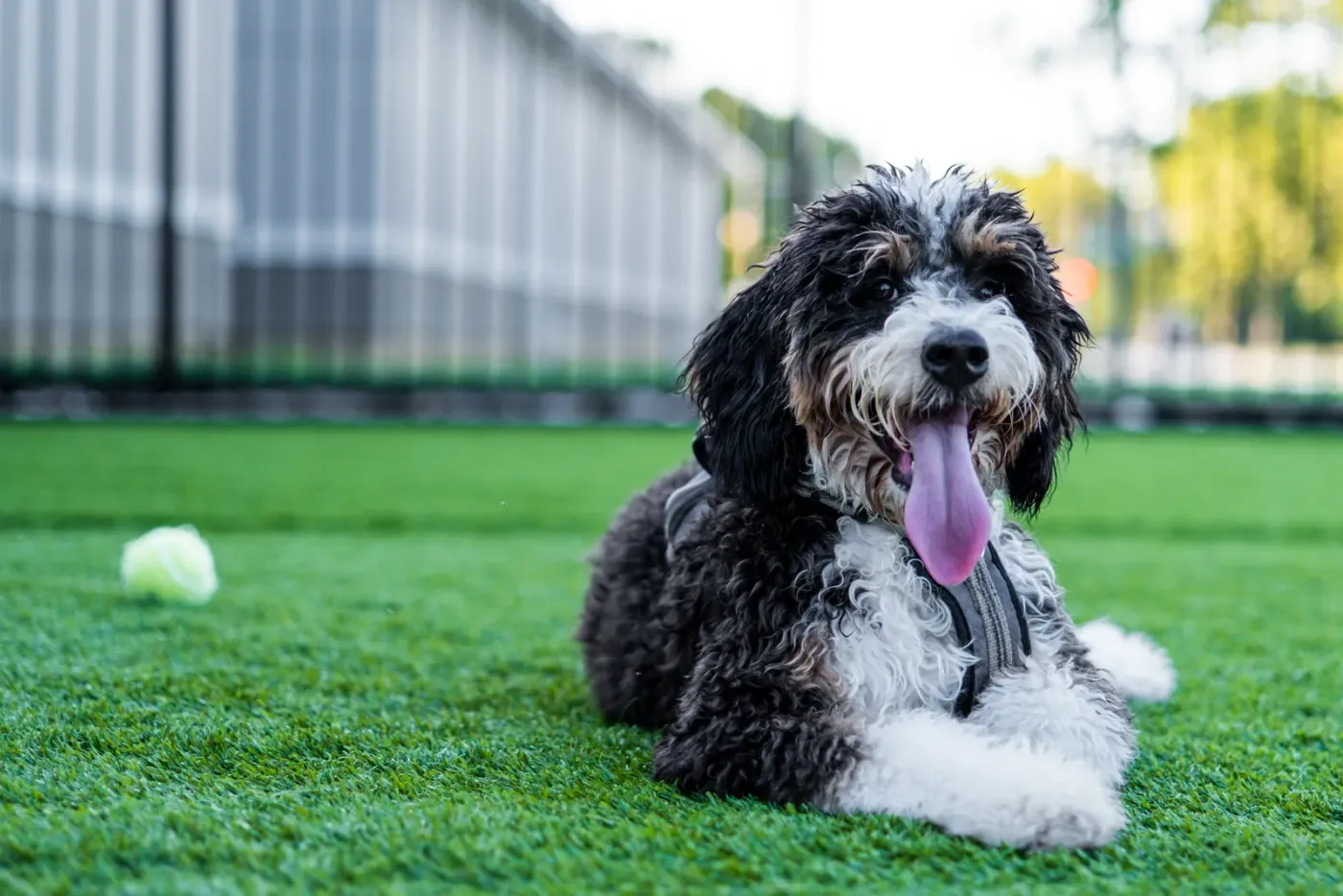
Neutrality sits between two extremes. On one side is the dog who must reach every dog and person, pulling, whining and jumping. On the other is the dog who barks, lunges or hides. A neutral dog registers the same sight, may watch it briefly, and returns to its walk, its toy or its handler without fuss. The emotional temperature stays low. That is what the word captures: a dog neither drawn in nor alarmed.
Picture a two-year-old shepherd mix on leash, approaching a family with a stroller and a dog trotting alongside. A neutral response looks like this: a brief look, ears relaxed, perhaps a sniff of the air, then eyes forward and a loose leash. No straining toward the other dog, no frozen stare. The handler marks the calm look away and rewards it, and both groups pass without anyone needing to say hello.
- Brief look, then disengages
- Loose leash past distractions
- No pulling to greet
- Low arousal around passers-by
Our approach
Building calm indifference, and where it goes wrong.
Neutrality runs through our leash and off-leash work. On-Leash Foundations practises loose-leash walking and working around everyday distractions, and Advanced Off-Leash adds public manners and advanced distraction training. The method stays the same throughout: markers and rewards first, real-world proofing, and tools matched to the dog and taught to the owner. For a dog who already reacts, Behaviour Rehab works on reactivity at the dog's own pace after a full assessment.
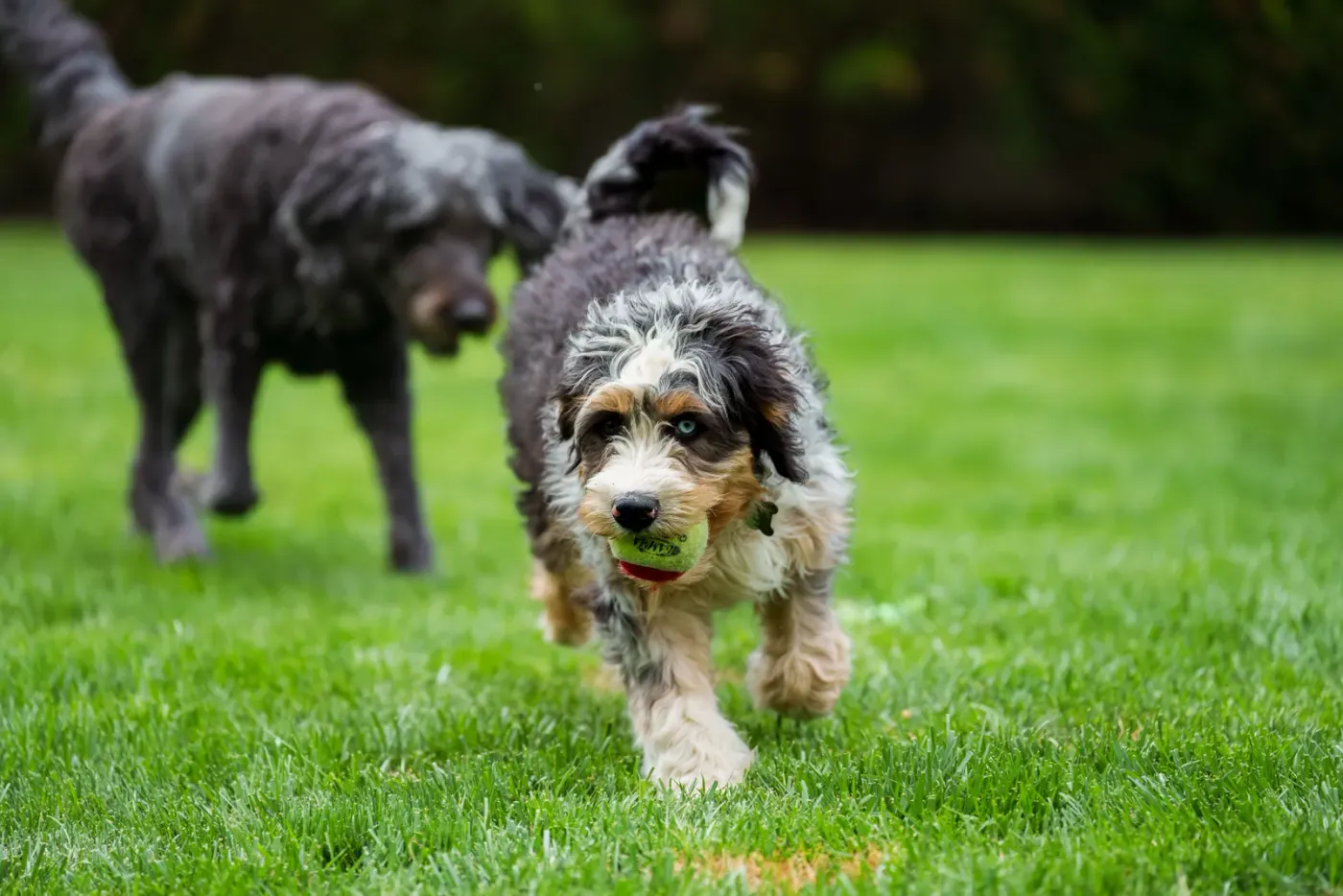
The usual slip is rewarding the wrong thing. Letting a dog greet every passer-by teaches it that people and dogs are prizes worth pulling toward. Another is mistaking shutdown for neutrality: a dog that freezes, avoids looking or refuses food is not calm, it is coping. And growling should never be punished, because it is information. If your dog's reactions are intense or growing, the right next step is a professional assessment.
Asked and answered
The questions people ask us.
Is neutrality the same as ignoring other dogs?
Not quite. A neutral dog is allowed to notice and look; what matters is that it can disengage and carry on without fuss or worry.
Should my dog be allowed to greet other dogs on walks?
Leash greetings with strangers are optional, and many dogs are better off without them. Save social time for dogs and owners you know, in settings where both dogs can move freely and safely.
Can a reactive dog learn neutrality?
Reactivity work aims at calmer responses, but it has to start with safety, distance and a proper assessment. Reactivity that is intense, new or escalating is a reason to see a professional, and your vet if it came on suddenly.
Is neutrality unfair to a social dog?
No. A neutral dog can still have friends and play dates; it just does not treat every stranger as an invitation. That tends to make public outings calmer for everyone, the dog included.
Keep reading
Want a calmer walking partner?
Book a consultation and we will look at how your dog handles passing dogs and people, and what would help.
From real owners
Rated 5.0 on Google.
Real Northline dogs