Glossary
What is enrichment for dogs?
Enrichment is the part of a dog's day that feels like being a dog: noses down in a snuffle mat, a long chew after a walk, a scatter of kibble across the lawn. It is often sold as a cure-all. It is better understood as one ingredient. Here is what enrichment is, one example routine, and where it stops being the answer.
Last reviewed October 4, 2026
What counts
Nose, brain and body, put to proper use.
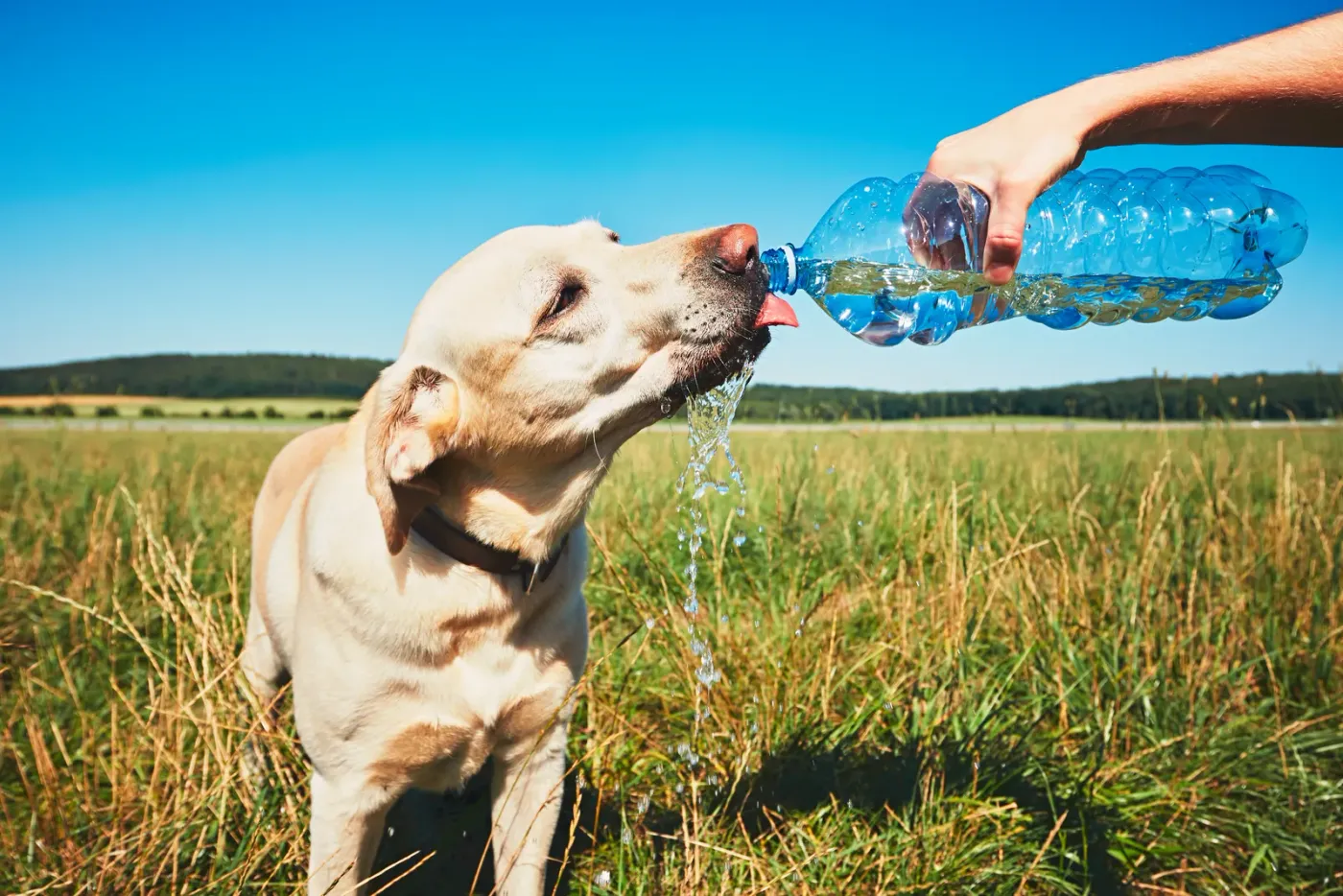
Enrichment covers activities that let a dog do the things its body and brain were built for. Sniffing and foraging are often the most satisfying: scatter feeding, snuffle mats, hidden treats. Chewing on safe items, simple food puzzles, exploring new surfaces and slow sniff walks all count too. It differs from exercise, which mainly burns energy, and from training, which teaches a skill.
A worked example: a young beagle chews skirting boards while his owner works from home. His breakfast moves from a bowl into a scatter on the grass, he gets an appropriate chew after his midday walk, and one walk a day becomes a slow sniff walk on a long line. The board-chewing has less boredom to feed on, though the owner still supervises and gates the room.
- Scatter feeding or snuffle mats
- Safe chews after walks
- Slow sniff walks
- Simple food puzzles
Limits and mistakes
What enrichment helps, and what it cannot do.
Enrichment is part of every board and train we run, alongside daily one-on-one training, structured routine and socialization. It supports a calmer dog, and a calmer dog often learns more easily. What it does not do is teach manners, recall or loose-leash walking. And it does not resolve fear, reactivity or aggression on its own; those need assessment and structured work, starting with a vet check if anything seems physical.
Common mistakes: owners hand over a puzzle toy instead of addressing a problem that needs training, then wonder why nothing changes. Some pile on frantic games that wind a dog up rather than settle it. Others use high-value chews around other dogs or children and create guarding. Choose calm, supervised activities, match difficulty to the dog, and pair enrichment with management and training.

Asked and answered
The questions people ask us.
What is the difference between enrichment and exercise for dogs?
Exercise mainly uses up physical energy, while enrichment engages the senses and the brain through sniffing, chewing and problem-solving. Many dogs need both, and a slow sniff walk can offer a little of each.
Can enrichment fix behaviour problems?
It can ease habits driven by boredom, such as some chewing or nuisance barking. It will not fix fear, reactivity or aggression, which call for an assessment and structured training.
What are easy enrichment ideas for dogs at home?
Scatter feeding, snuffle mats, frozen food toys, cardboard boxes with treats hidden inside and safe chews are simple options. Supervise anything new until you know how your dog handles it.
Can a dog have too much enrichment?
Yes, if it becomes constant stimulation or overly exciting games. Dogs also need rest, and a calm, settled routine is often as valuable as any toy.
Keep reading
Want a calmer daily routine?
Book a consultation and we will look at your dog's day and suggest the training that fits, from a single session upward.
From real owners
Rated 5.0 on Google.
Real Northline dogs