
Dog body language
What a dog's freeze means
Some of the most important moments in dog body language are almost silent. A dog chewing a bone goes still as someone walks past. A dog being hugged stops moving entirely. That pause is easy to read as calm or acceptance, but often it is the opposite: the dog weighing its options. Here is how to recognize it and what to do.
Last reviewed October 4, 2026
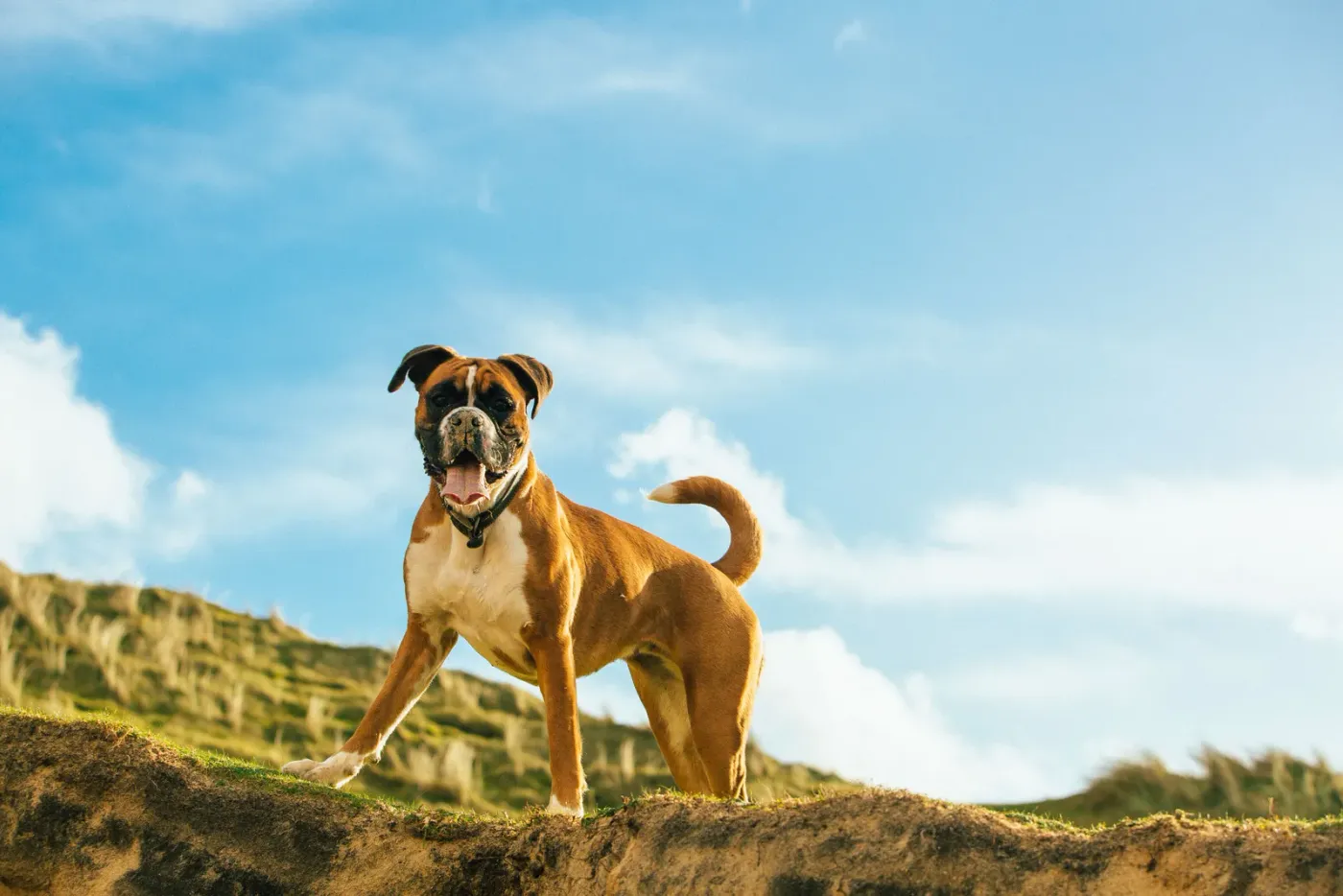
Stillness with meaning
A pause while the dog decides.
A freeze can last a heartbeat. The panting stops and the mouth snaps shut. The body locks in place, sometimes leaning slightly over a bone or a food bowl, sometimes rocking back. The eyes may fix on whatever is approaching or slide away from it. Common settings include being reached for while resting, being hugged or lifted, being handled for nail trims, and a person or dog moving close to something the dog values.
Context separates a worried freeze from other kinds of stillness. A dog pausing to listen to a sound outside, or a herding dog holding still before launching into a game of chase, is not the same as a dog going rigid under a reaching hand. Look at what triggered it, what the face is doing, and what happens next. If the dog relaxes once the pressure stops, the pause did its job.
- Mouth closes, panting stops
- Body goes suddenly still
- Eyes fix or slide away
- Weight leans forward or back
Your next move
Give space first, questions later.
When you see a freeze, stop what you are doing. Pause your hand, step back calmly, and let the dog leave or return to resting without pressure. Do not stare, lean in, or try to take the object. If a child is nearby, an adult calmly calls the child away rather than asking the child to do anything with the dog. Distance, right now, comes before anything else.
Then look for the pattern. A dog that freezes over chews, food or resting spots, or whenever it is handled in one area, is telling you where to manage. Handling-related freezing can be linked to pain, so a vet check is a sensible first step. If freezes are followed by growls, snaps or bites, or are becoming more frequent, a professional behaviour assessment is the right next move.
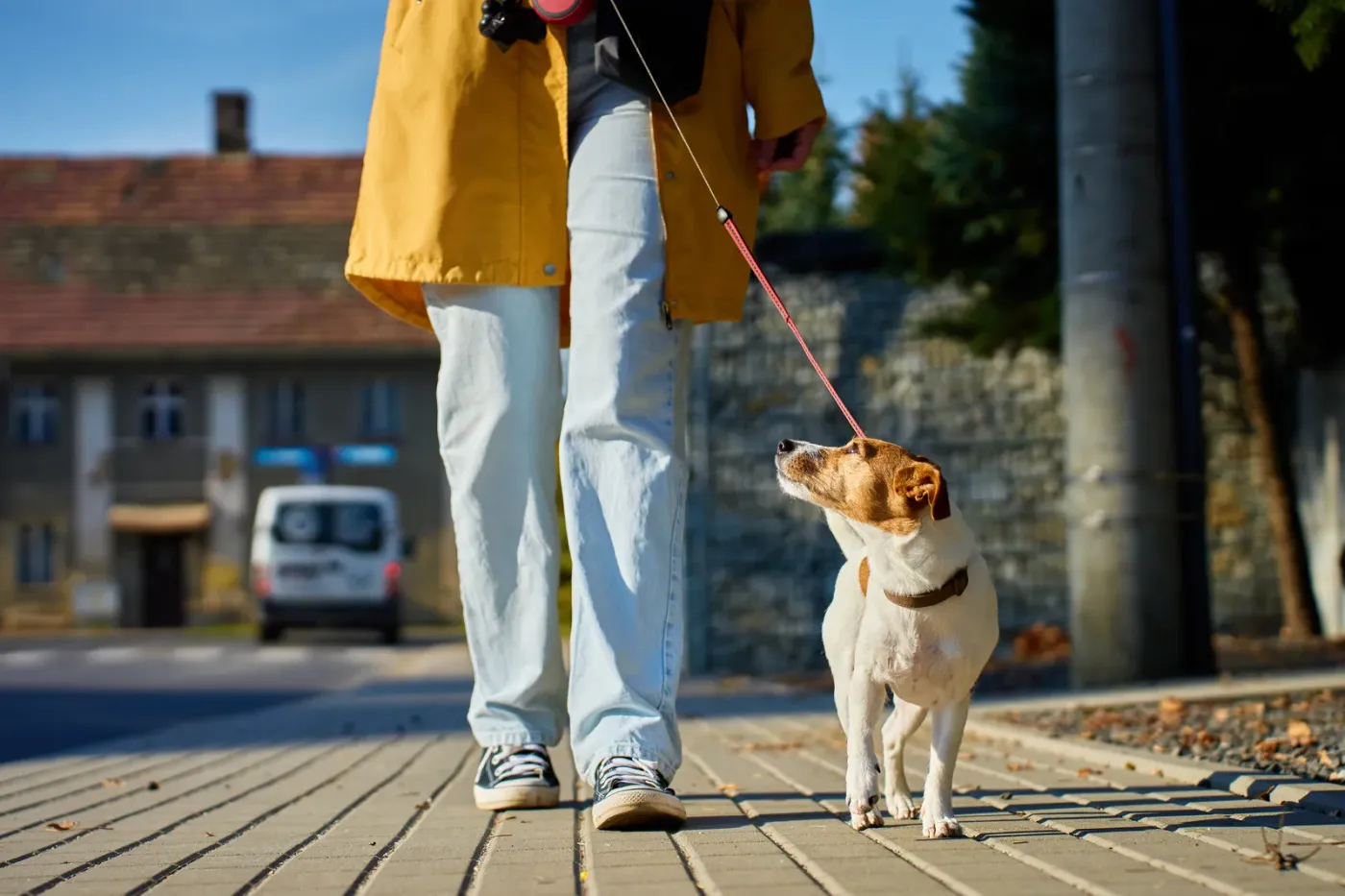
Asked and answered
The questions people ask us.
Why does my dog freeze when I touch him?
Many dogs freeze when handling feels uncomfortable, unfamiliar or painful. Stop touching, give space, and notice where on the body it happens. A vet check is a good idea, especially if it is new.
Is a dog freezing a sign of aggression?
Not on its own, but it is often a warning that a dog is close to its limit. What follows the freeze, and what caused it, tells you more. Treat it as a clear request for space.
Why does my dog go still when I walk past while he eats?
That stillness often means the dog is guarding the food and deciding whether you are a threat to it. Walk on, give it room, and avoid reaching for the bowl. If it escalates, get a professional assessment.
My dog froze and then bit. What should I do?
Manage carefully to lower the chance of it happening again, and see your vet to check for pain. Then book a professional behaviour assessment. Our Behaviour Rehab program accepts dogs with bite histories after a full assessment.
Keep reading
Noticing freezes at home?
Book a consultation if your dog goes still over food, toys or handling, and we will help you understand what it is telling you.
From real owners
Rated 5.0 on Google.
Real Northline dogs