
Acreage dogs
The roaming dog: why acreage dogs wander and what works
The dog is gone again. Not lost, exactly; the neighbour has seen him, and he will turn up at suppertime smelling of slough water and somebody else's kibble. Roaming is the acreage problem that owners describe as a quirk right up until the day it is a phone call from the road. Understanding why your dog leaves tells you which fix to reach for first.
Last reviewed October 4, 2026
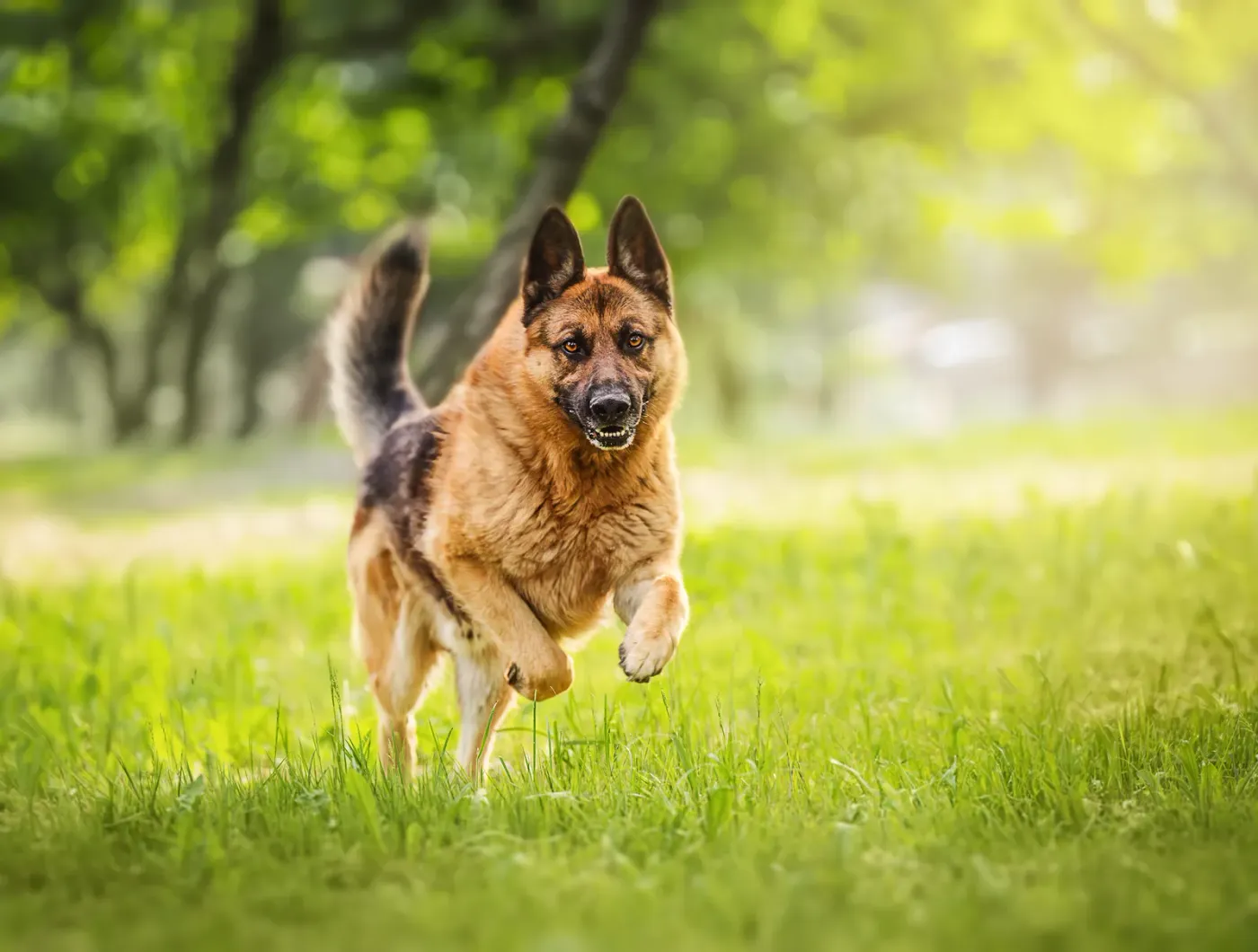
Five reasons to leave
Scent, sex, prey, boredom and company pull harder than the yard holds.
The motive decides the fix. Scent is the quiet one: a fresh trail across the yard and the dog simply follows it. Sex is the loud one: an intact male who catches a female in season on the wind will often go through, under or over almost anything, and training rarely competes with it. Prey is deer, hares and gophers. Boredom is a smart dog with nothing to do and a quarter section to do it in. Company is the dog at the next place.
The fixes stack in roughly the order they tend to matter. If your dog is intact, talk to your vet about neutering first; that is a vet decision, not a training one. Give the dog a daily job: a long sniff walk off the property, a tug session, food in puzzle form. Then a real fence or a run for the hours nobody is watching. Then supervision. Recall comes last, not because it matters least, but because it needs you present to use it.
- Vet conversation about neutering first
- A daily outlet off the property
- Fence or run when unwatched
- Recall built against real pull
Neighbours and roads
The farm down the road is paying your dog to visit.
Many roaming dogs are not wandering at all; they are commuting. There is a route: the neighbour's dog to play with, the farm down the road where a bowl is left out and someone scratches ears, a dugout for a drink on the way back. Each stop pays, so the route tends to get stronger every time it is run. Ask the neighbours plainly what happens when your dog shows up, and ask them to stop paying. Many are glad to help once they know.
A dog crossing a range road has no idea what a gravel truck is, and every safe crossing teaches it that crossing works. That is why we treat roaming as urgent rather than charming. Functional Off-Leash is the program built for this kind of reliability: three weeks of daily one-on-one work on recall around distractions, with a Micro or Mini Educator collar included and owner education on using it properly. Whether that or a smaller option fits your dog is what the consultation decides.
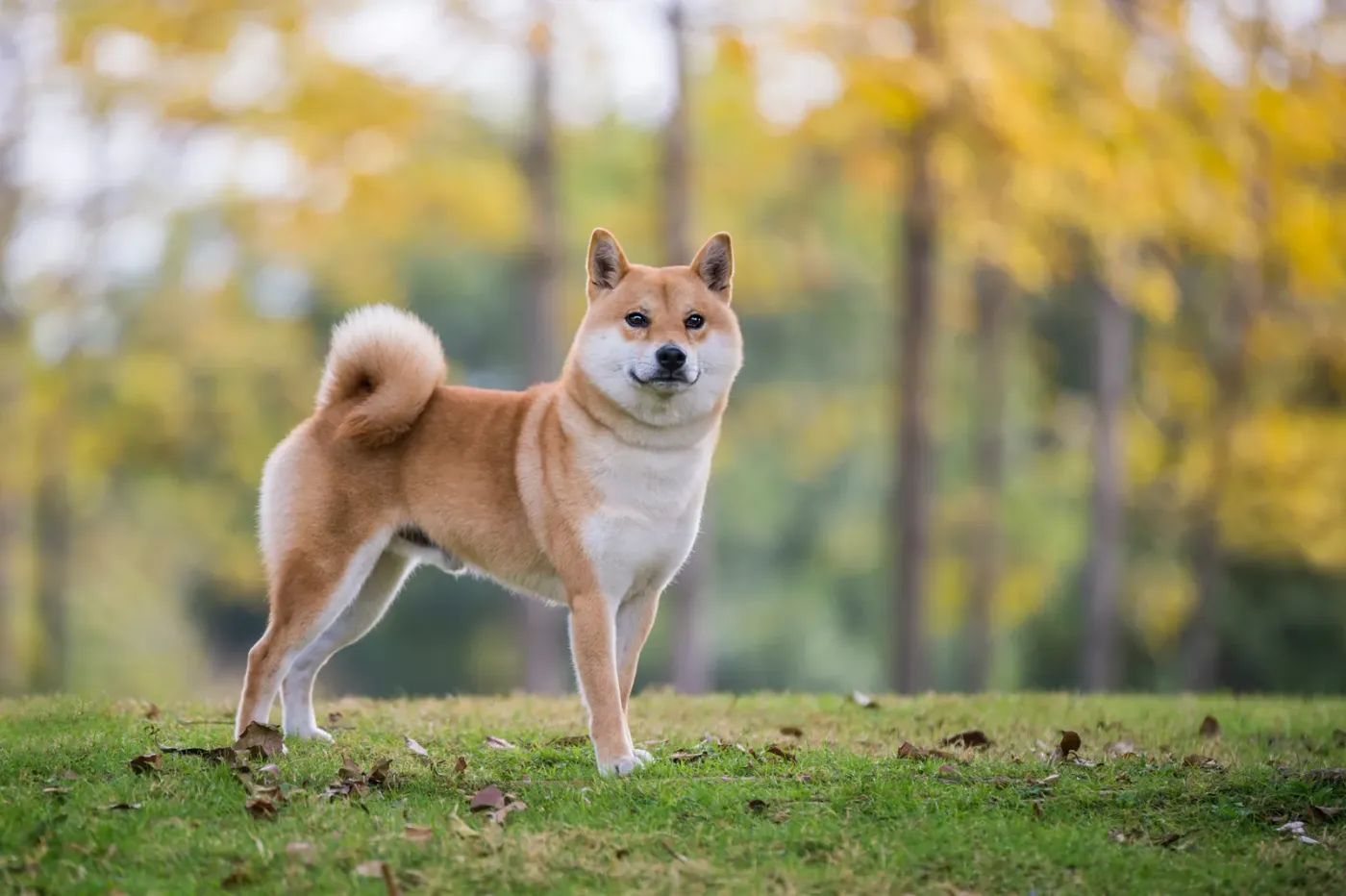
Asked and answered
The questions people ask us.
Why does my dog roam on the acreage?
Often for one of five things: a scent trail, a female in season, prey, boredom or company. Watch where he goes and when, and the motive tends to show itself; a dog who leaves at dusk for the trees is often hunting, and a dog who leaves mid-morning for the same farm is likely visiting.
My dog wanders off the property but always comes back. Is that really a problem?
Yes, because the return is luck and the leaving is learning. Every trip that ends well tends to make the next one likelier, and the trip that ends at the road only has to happen once. Treat it as a habit to interrupt now rather than a quirk to live with.
How do I stop my dog leaving the yard on a rural acreage?
Begin with the motive, then stack the fixes: a vet conversation about neutering if the dog is intact, a daily outlet off the property, a physical fence or run for unsupervised hours, supervision, and a recall trained against real distractions. Skipping straight to recall while the dog is still bored and intact tends to disappoint.
Will neutering stop my dog from roaming?
That is a question for your vet, not for us. What we can say is that for many intact dogs the pull toward a female in season is one of the strongest reasons to leave, and training on its own rarely competes with it. Have that conversation first, then build the rest.
Keep reading
Stop the commute
Tell us where your dog goes and why you think he goes there. Book a consultation and we will map the fixes in order.
From real owners
Rated 5.0 on Google.
Real Northline dogs