
Dog body language
The difference between a growl and a grumble
Some dogs talk constantly. They rumble through tug games, groan during belly rubs and mutter while stretching on the couch. Others growl only when they mean it. Owners often ask whether the noise itself tells them which is which. It mostly does not. The body around the sound, and what is happening at that moment, carries the real message.
Last reviewed October 4, 2026
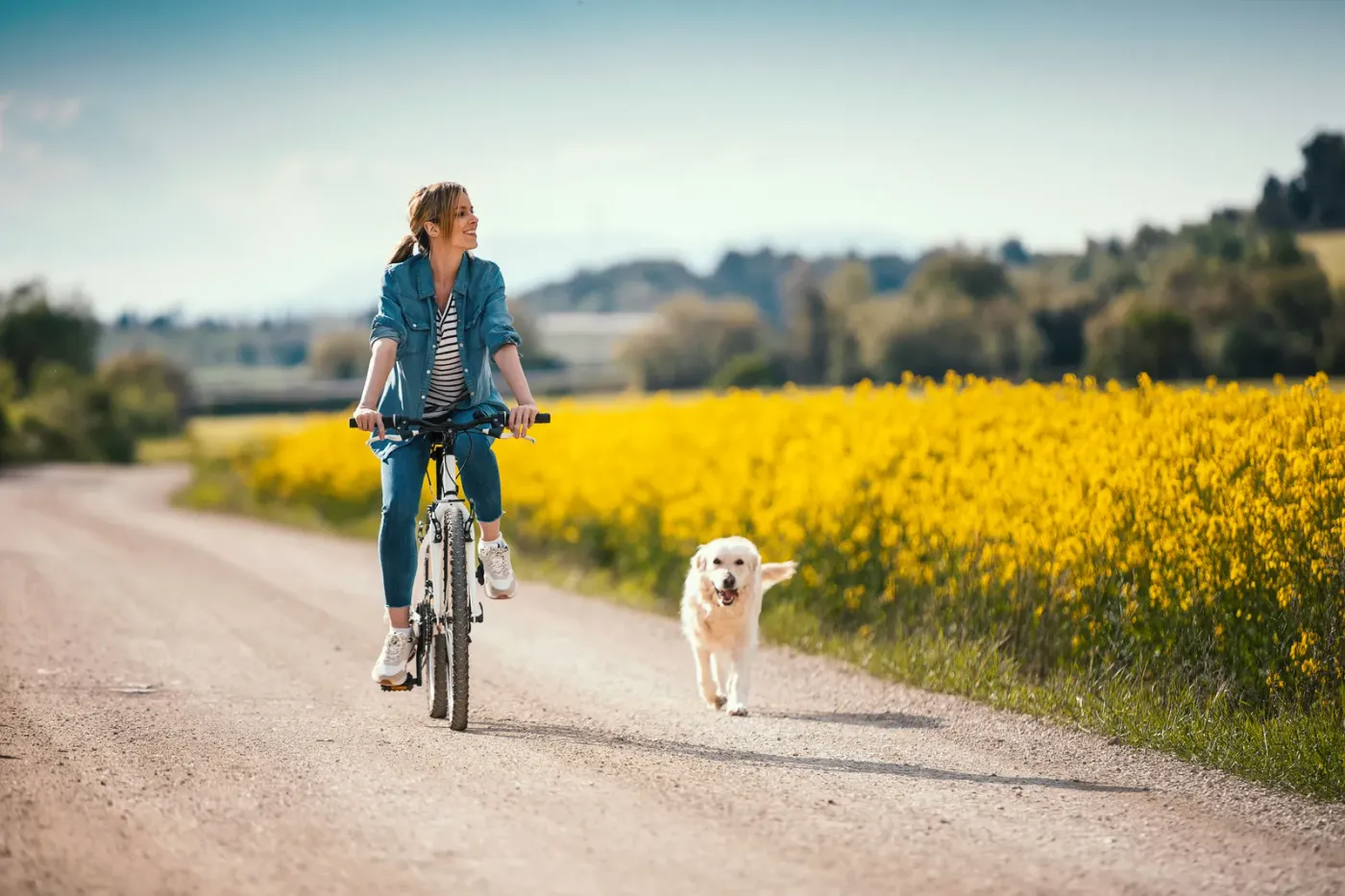
Same sound, different dog
Reading the body around the noise.
A grumble usually shows up during something the dog is enjoying: a tug game, a wrestle on the rug, a long scratch behind the ears. The body stays wiggly, the mouth is often open or loose, and the dog keeps asking for more by pushing in, bowing, or bringing the toy back. When the game stops, the noise tends to stop too. It is commentary, not a request.
A warning growl tends to come with a change. The dog goes still or stiff, the mouth closes, the eyes harden or look away, the ears shift, and the dog may lean over something it values. It often happens when someone reaches, approaches a resting spot, or handles a sore area. The sound can be identical to a grumble, which is why the context does the deciding.
- Loose or stiff body
- Mouth open or closed
- Game continues or stops
- What is being approached
Respect the warning
When the rumble means please stop.
If you are not sure, pause. Take your hand away or stop the game for a moment and watch. A grumbling dog usually leans back in, nudges you or picks the toy back up. A warning growl usually ends with the dog staying still or moving away once the pressure lifts. Either way, never punish the sound. A dog corrected for growling may simply stop warning, which makes life far less safe.
Pay attention when a familiar grumble changes, starts in new situations, or appears when a particular body part is touched. New growling during handling can be linked to pain, so book a vet check. If the growling comes with snaps, stiff guarding, or is aimed at visitors or family members, a professional assessment is the right next step, along with managing the situations that trigger it.
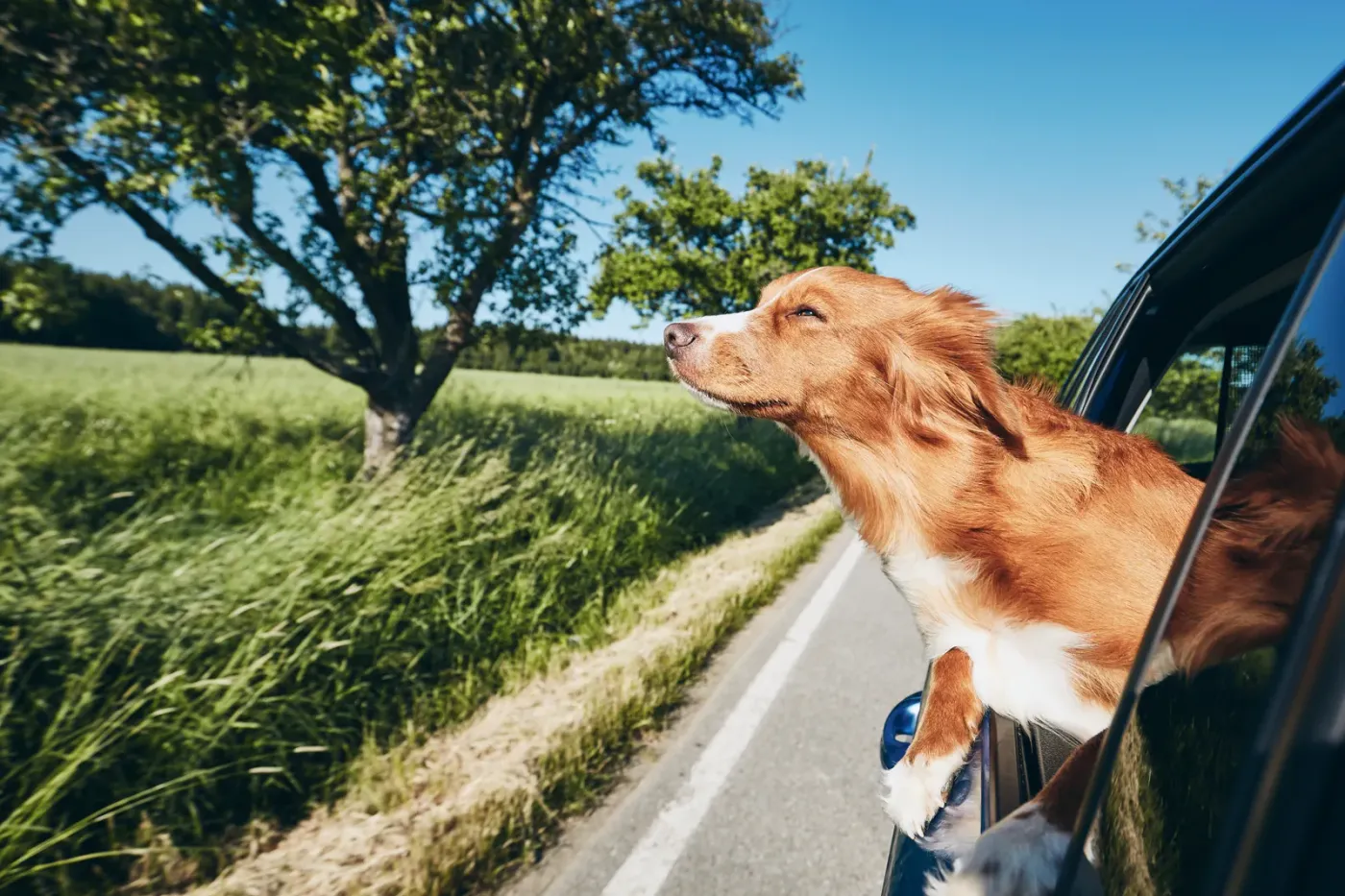
Asked and answered
The questions people ask us.
Why does my dog grumble when I pet him?
Many dogs make low, contented noises during petting, especially when relaxed and leaning in. If the body stays loose and the dog asks for more when you stop, it is likely enjoyment. If the dog stiffens or moves away, it is asking you to stop.
Is it okay to let my dog growl during tug?
Play growling during tug is common and often harmless if the dog stays loose and lets go when asked. Take breaks so excitement does not climb too high. Stop the game if the dog becomes stiff or guards the toy.
How can I tell if my dog's growl is serious?
Look at what comes with it: stillness, a closed mouth, a fixed stare or guarding all point toward a warning. Context matters too, such as being disturbed while resting or eating. When unsure, give space and get a professional opinion.
My dog growls more than he used to. Should I worry?
A change is worth taking seriously. Start with a vet check to rule out pain, then note when the growling happens. If it is increasing or comes with snaps, book a professional assessment.
Keep reading
Not sure which one it is?
If your dog's growling has you second-guessing, Book a consultation and we will help you read the context and plan from there.
From real owners
Rated 5.0 on Google.
Real Northline dogs