
Dog body language
Raised hackles in dogs: what they mean
The fur along your dog's shoulders or spine just stood up, and now you are wondering whether trouble is coming. Hackles are an involuntary reaction, a bit like goosebumps, and they tell you the dog is aroused, not why. Here is how to read the pattern, what to do in that moment, and which situations call for a professional assessment.
Last reviewed October 4, 2026
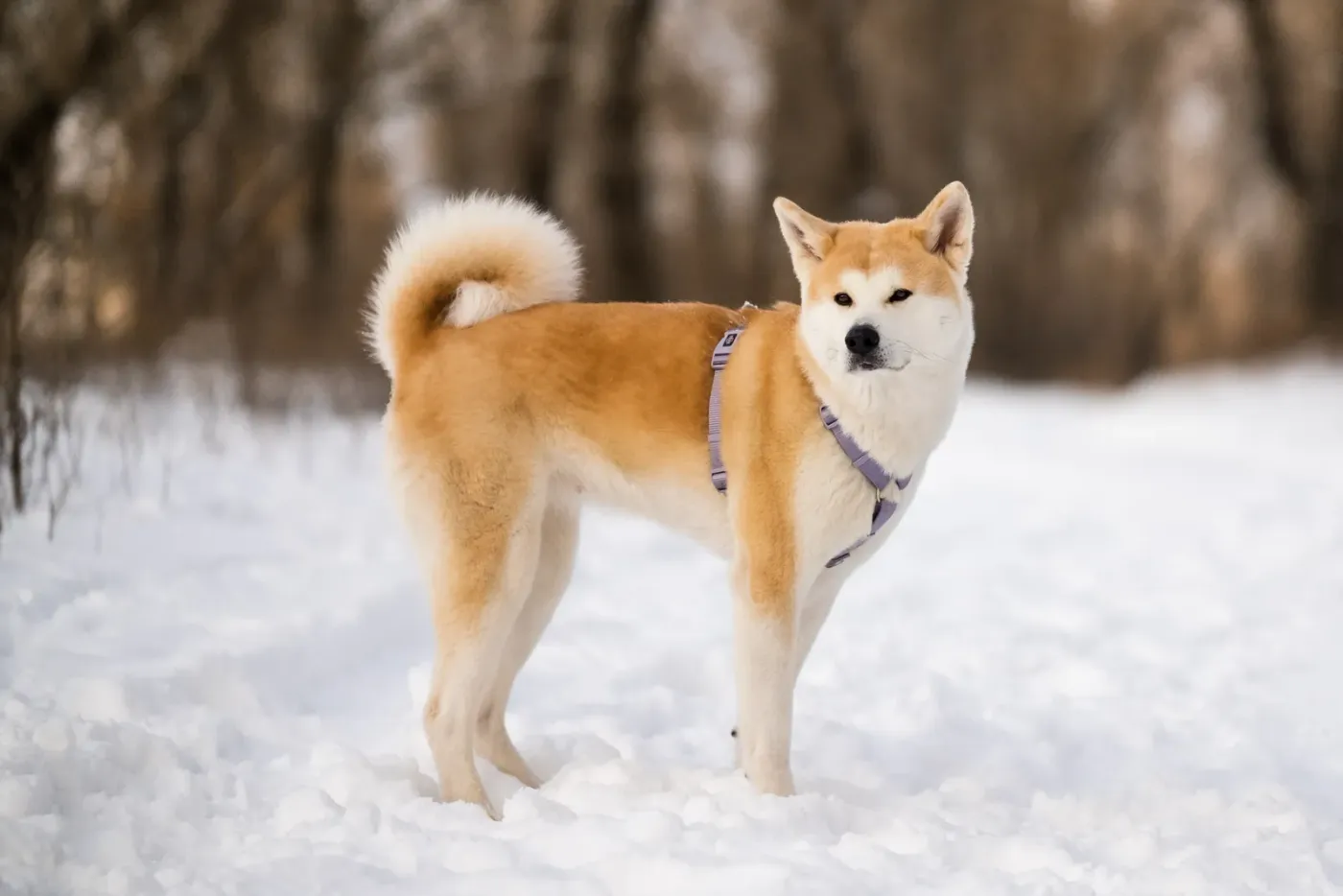
What you are seeing
Hackles are a reflex, not a decision.
Hackles are the strip of hair that can lift over the shoulders, along the spine, or down near the base of the tail. Tiny muscles at each hair follicle pull the fur upright when adrenaline surges, so a dog cannot choose to raise or lower them. That matters, because hackles report an internal state rather than an intention. A dog with raised fur is telling you the volume is up, nothing more specific yet.
The pattern can add detail. Many dogs show a narrow stripe only at the shoulders when something catches them off guard, and a wider band from neck to tail when arousal runs higher. Coat matters too: on a smooth-coated dog the lift is easy to spot, while on a fluffy or double-coated dog it may be hidden entirely. Treat the shape as a clue, never a verdict.
- Shoulder-only stripe, often surprise
- Neck-to-tail band, higher arousal
- Easily hidden on thick coats
- Involuntary, so never scold it
Reading the context
Pair the fur with the rest of the dog.
A dog with hackles up, a loose wiggly body, play bows and bouncy movement is very likely just excited during a game. The same hackles on a dog standing tall, weight forward, mouth closed and eyes fixed on another dog read very differently. A lowered body, tucked tail and backing away with raised fur often points to fear. The fur is identical in all three; the posture around it tells the story.
In the moment, calmly add distance before anything else. Turn and walk the other way, put a parked car or a fence between your dog and whatever caught their attention, and keep your own voice low and even. Avoid scolding: the hackles are not a choice, and telling a dog off for an alarm state tends to add stress rather than remove it. Once your dog can sniff the ground or take a treat again, the spike has usually eased.

Asked and answered
The questions people ask us.
Do raised hackles mean my dog is aggressive?
Not on their own. Hackles mean arousal, which can come from fear, excitement, surprise or play. Aggression is read from the whole picture, including a hard stare, stiff stance, growling or lunging.
Why do my dog's hackles go up when playing?
Play is exciting, and excitement raises arousal just as worry does. If bodies stay loose, the dogs take turns and both keep coming back for more, playful hackles are rarely a concern. If play gets stiff or one dog keeps trying to leave, call a break.
Why does my dog get hackles at other dogs on walks?
Often a leashed dog feels surprised or uncertain about an approaching dog and cannot move away. Give more space, turn early, and watch whether the reaction is building into barking or lunging. If it is, a professional assessment helps sort fear from frustration.
When should I worry about raised hackles?
Book a vet check if hackles arrive alongside sudden changes in behaviour, since pain can raise arousal. Look for professional help when hackles come with growling, lunging, snapping or a bite, or when reactions are becoming more frequent. Growling is useful information, so never punish it.
Keep reading
Unsure what the fur means?
Book a consultation. We will read your dog's arousal patterns with you and recommend the right level of help, including none.
From real owners
Rated 5.0 on Google.
Real Northline dogs