Adventure dogs
Porcupines and dogs: what training can and cannot do
Porcupines are mostly nocturnal, often resting in trees by day, and they cannot throw quills. Alberta's wildlife guidance says a quilling happens when the animal slaps its tail into whatever is pressing it, and that dogs are often unable to resist investigating. That is the honest frame for this page: training buys you a dog who can be called off, not a dog who is immune.
Last reviewed October 4, 2026
Where training helps
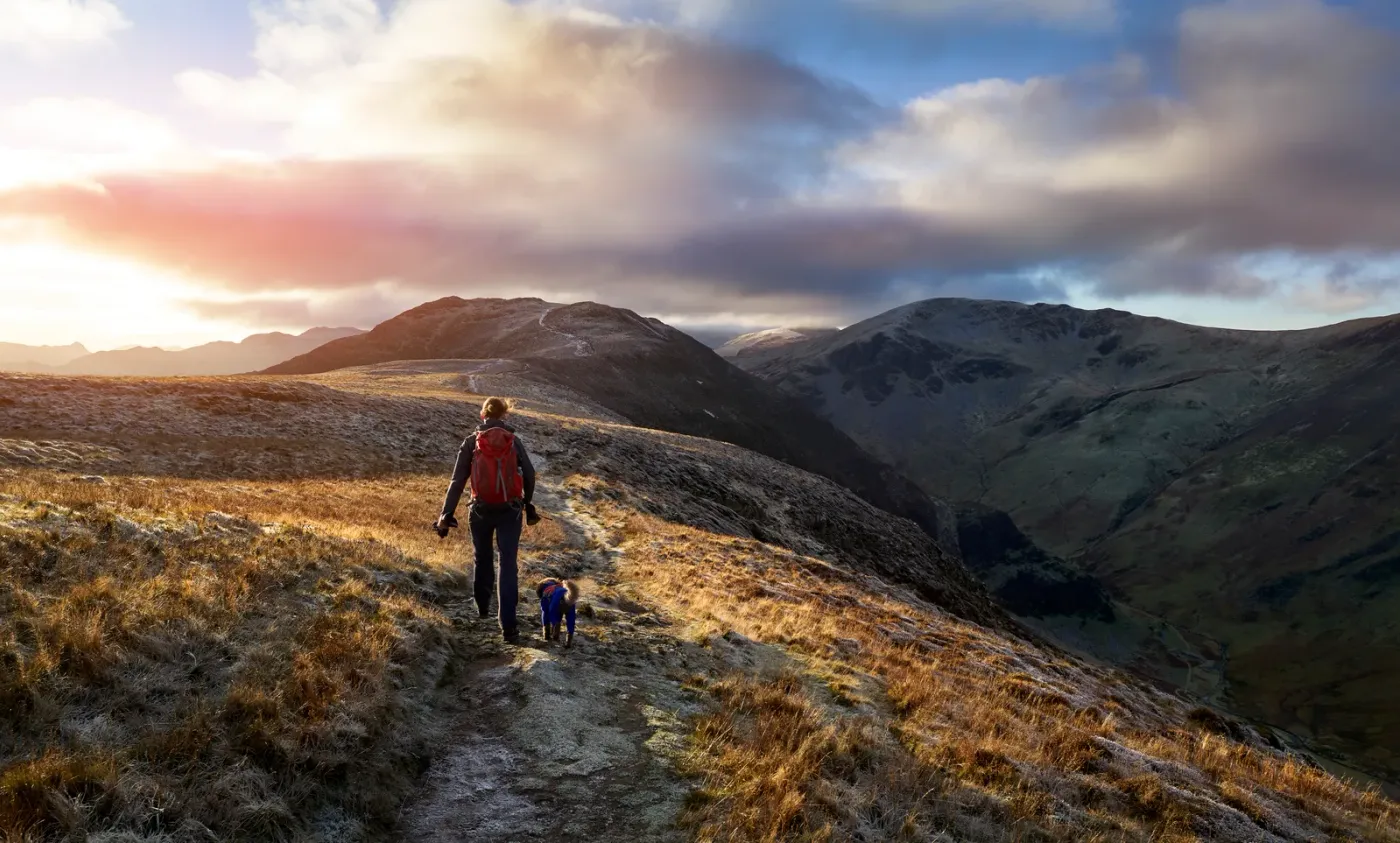
Leave it on scent, recall in the dark, leash at dusk.
A porcupine does not flee, so chase drive is not the problem; curiosity is. The useful cue is leave it, taught on the ground on strong smells, with markers and rewards first, then proofed on real scent outdoors until a nose pulled off something interesting is a habit rather than a negotiation. Pair it with a recall that works when you cannot see the dog: a whistle or one clear word, paid heavily when the dog chooses you over a rustle in the brush.
The third piece is management. Alberta advises keeping your dog leashed outdoors whenever you suspect a porcupine in the area, and since porcupines are primarily nocturnal, dusk and after-dark walks through treed or brushy ground are when the leash goes on. The province also notes porcupines seek salt and will chew leather, so a sweaty pack strap or a salted boot left out at camp is an attractant worth stowing. Dull, and effective.
- Leave it on strong scent
- Recall without eye contact
- Leash on after dark
- Salty gear and leather stowed
After a quilling
Vet first, no scissors, and why some dogs repeat it.
Alberta's guidance notes porcupines usually give warning first: vocalizing, displaying their quills and clattering their teeth. See that, and back away slowly with your dog. If the warning was missed and your dog comes back with a face full of quills, that is a vet visit, now. Do not cut the quills or pull them yourself. Keep your dog from pawing at its muzzle, get it into the car, and phone the clinic on the way.
Why do some dogs do it twice? Many dogs never link the pain to the slow animal that caused it, and a dog with strong investigative drive often finds the next porcupine just as interesting. A dog quilled once walks on leash at dusk in porcupine habitat from then on, and a leave it that will not hold is worth a professional's eye. The consultation sorts out whether private sessions or a program fits, and the smaller option is recommended when it covers the need.
Asked and answered
The questions people ask us.
A dog has porcupine quills: what do you do?
Go to a vet. Do not cut the quills and do not try to remove them yourself; keep the dog from rubbing or pawing its face and get it into the car. Quill removal is a job for a vet, so leave it to them.
Can a dog be trained to avoid porcupines?
You can train a leave it that holds on strong scent and a recall that works in the dark, and both lower the odds. You cannot train a dog to recognize porcupine as a category and avoid it reliably, and many dogs who have been quilled remain interested. Training plus a leash at dusk is the realistic answer.
How do you keep a dog away from porcupines on hikes?
Alberta's advice is to leash your dog outdoors whenever you suspect a porcupine is around, and porcupines are mostly nocturnal, so dusk and night walks through treed ground are leash walks. Keep salty gear and leather stowed at camp, since the province notes porcupines seek salt. Then train leave it and recall for the gaps.
Do porcupines shoot their quills at dogs?
No. Alberta's wildlife page is clear that porcupines cannot throw quills; a quilling happens when the porcupine slaps its tail into the dog. That is why a dog who stays back, or can be called back, does not get quilled.
Keep reading
Teach leave it before dusk.
Bring your dog's history, quills included. Book a consultation and we will recommend what fits, including a smaller program when that is enough.
From real owners
Rated 5.0 on Google.
Real Northline dogs