
Board and train
Does board and train fix leash pulling?
Partly, and we would rather say so. A board and train can teach a dog what walking on a slack leash looks like, and On-Leash Foundations spends two weeks on that. What it cannot do is hold the leash for you afterwards. Pulling happens between a dog and whoever is on the other end, so we split the question in two: what the program works on, and what you take over at the handover.
Last reviewed September 28, 2026
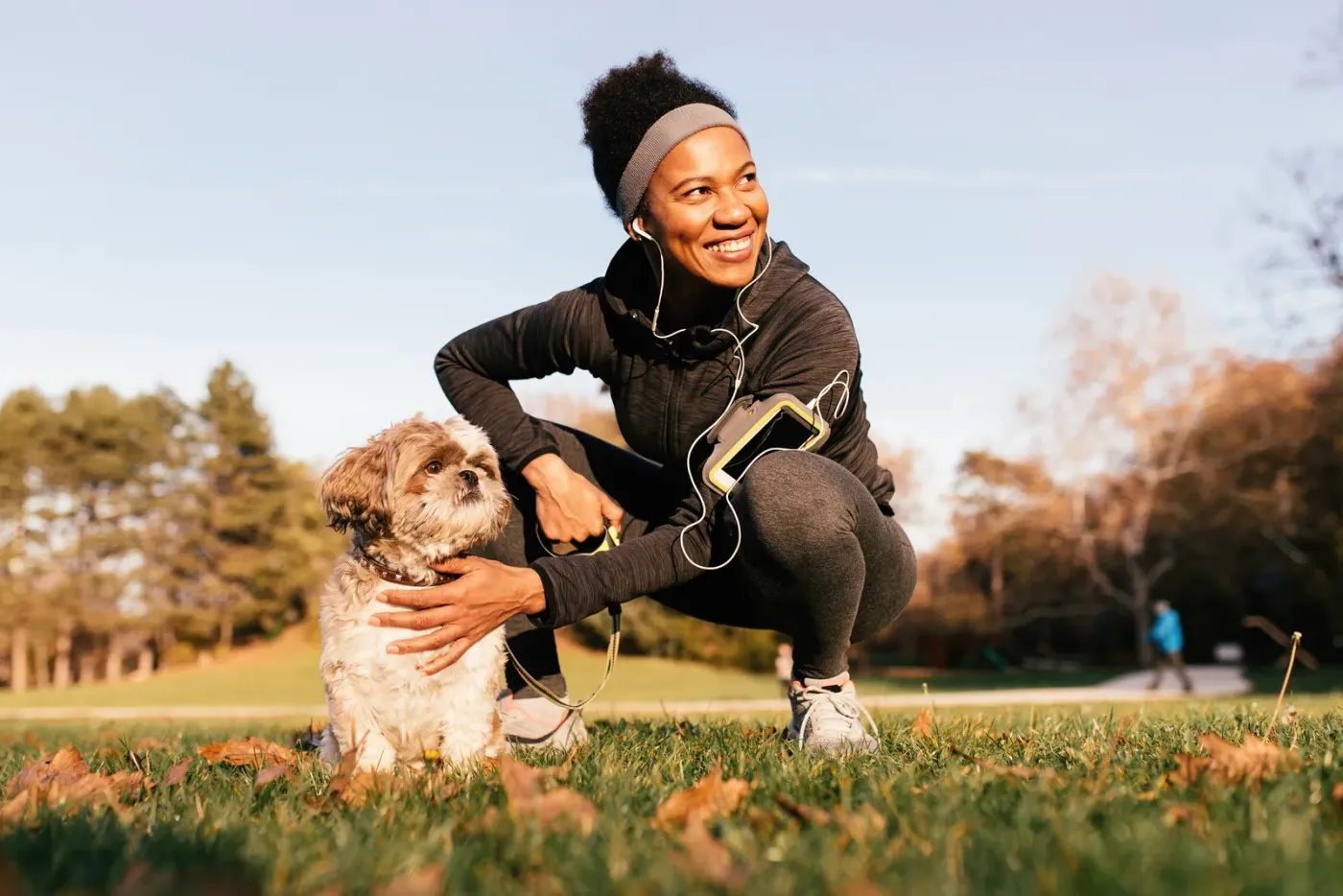
Two weeks on leash
What On-Leash Foundations works on when the problem is pulling.
On-Leash Foundations is the program whose curriculum speaks to pulling most directly. Over two weeks the dog works on loose-leash walking, heel, sit, stay, down and place, and on working around everyday distractions. Skills are taught with markers and rewards first, and tools are matched to the individual dog: a slip lead and training collar are introduced properly, and both come home with you. The program is built for dogs who drag and lunge, and for owners who miss enjoying the walk.
It is worth being clear about what a board and train does not change. It does not change your routes, your dog's size, or the number of squirrels on your street, and it cannot practise on your behalf once the dog is home. We describe what comes home as a set of skills the dog has worked on daily under one consistent standard, plus the tools and the coaching to keep using them, rather than a pull that has been switched off.
- Loose-leash walking and heel
- Slip lead and training collar included
- Working around everyday distractions
- Lifetime phone and email support
The handover lesson
The leash goes home in your hand, so the lesson covers you too.
Every board and train ends with a handover lesson, and for pulling that lesson is about the person as much as the dog. The slip lead and training collar are taught to you, along with the markers and rewards the dog has been working with, so nothing about the setup is a mystery on the first walk. Free follow-up sessions and lifetime phone and email support are there for the walks that do not go to plan, and some will not.
The consultation is more useful if you arrive knowing where the pulling happens: everywhere, mainly past other dogs, or on one particular route. It also helps to know how much of the handling you want to learn yourself. Private Training is $150 + GST for a one-hour session with a written weekly plan customized to your home. The program itself is recommended at the consultation, and when a smaller one covers the goal, that is the one we recommend.
Asked and answered
The questions people ask us.
Does board and train fix leash pulling?
It works on it, and we would rather say that than promise a fix. On-Leash Foundations teaches loose-leash walking and heel around everyday distractions over two weeks, and the handover lesson teaches you the tools and cues so the practice continues on your own walks.
Will my dog stop pulling after board and train?
We do not promise that, because pulling is something a dog does with a particular person on a particular leash. What we can describe is what the two weeks work on, what comes home with the dog, and the free follow-up sessions and lifetime phone and email support that come with the program.
Is there a board and train just for leash pulling?
On-Leash Foundations is the closest match among the published programs: two weeks at $1,865 + GST covering loose-leash walking, heel, sit, stay, down, place and working around everyday distractions. A slip lead and training collar come home with the dog.
Is board and train or private training better for a dog that pulls?
Neither is better by default. On-Leash Foundations puts two weeks of daily one-on-one training behind the dog, while Private Training is $150 + GST per one-hour session with a written weekly plan customized to your home, for the owner who would rather do the handling personally. Which fits is settled at the consultation, and the smaller option is recommended when it is enough.
Keep reading
Tired of being towed?
Tell us where the pulling happens and who holds the leash. We will recommend a program, or a smaller one. Book a consultation.
From real owners
Rated 5.0 on Google.
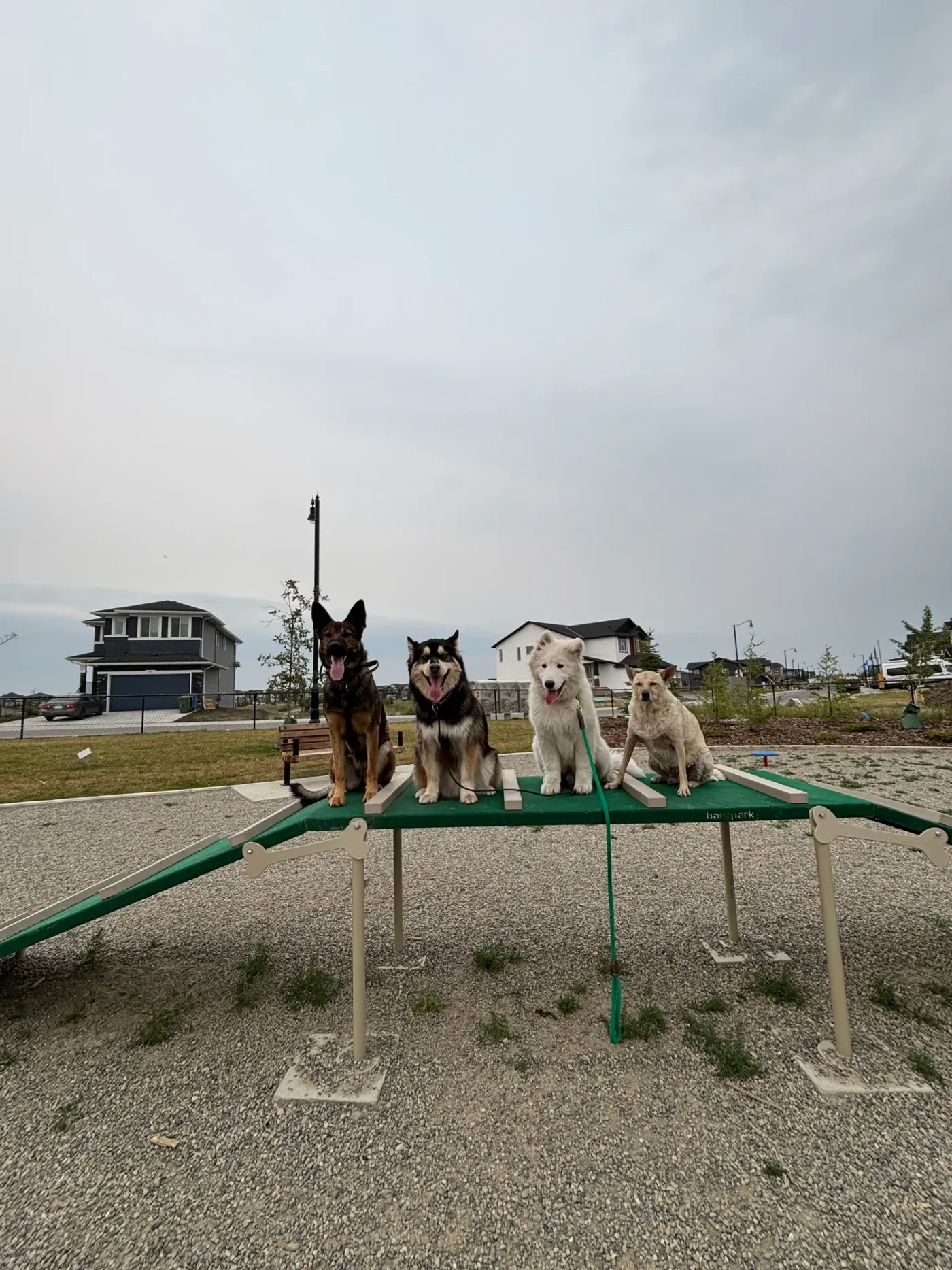
Real Northline dogs