Breed guides
Are Yorkshire Terriers hard to train?
Ask whether Yorkies are easy or hard to train and both answers are partly right. Many learn a new cue in an afternoon, then decide by Tuesday that it no longer applies to them. That is the terrier showing through, a type of dog built to make its own decisions. Training a Yorkie means making cooperation more interesting than independence, and keeping that tiny body safe while it learns.
Last reviewed October 4, 2026
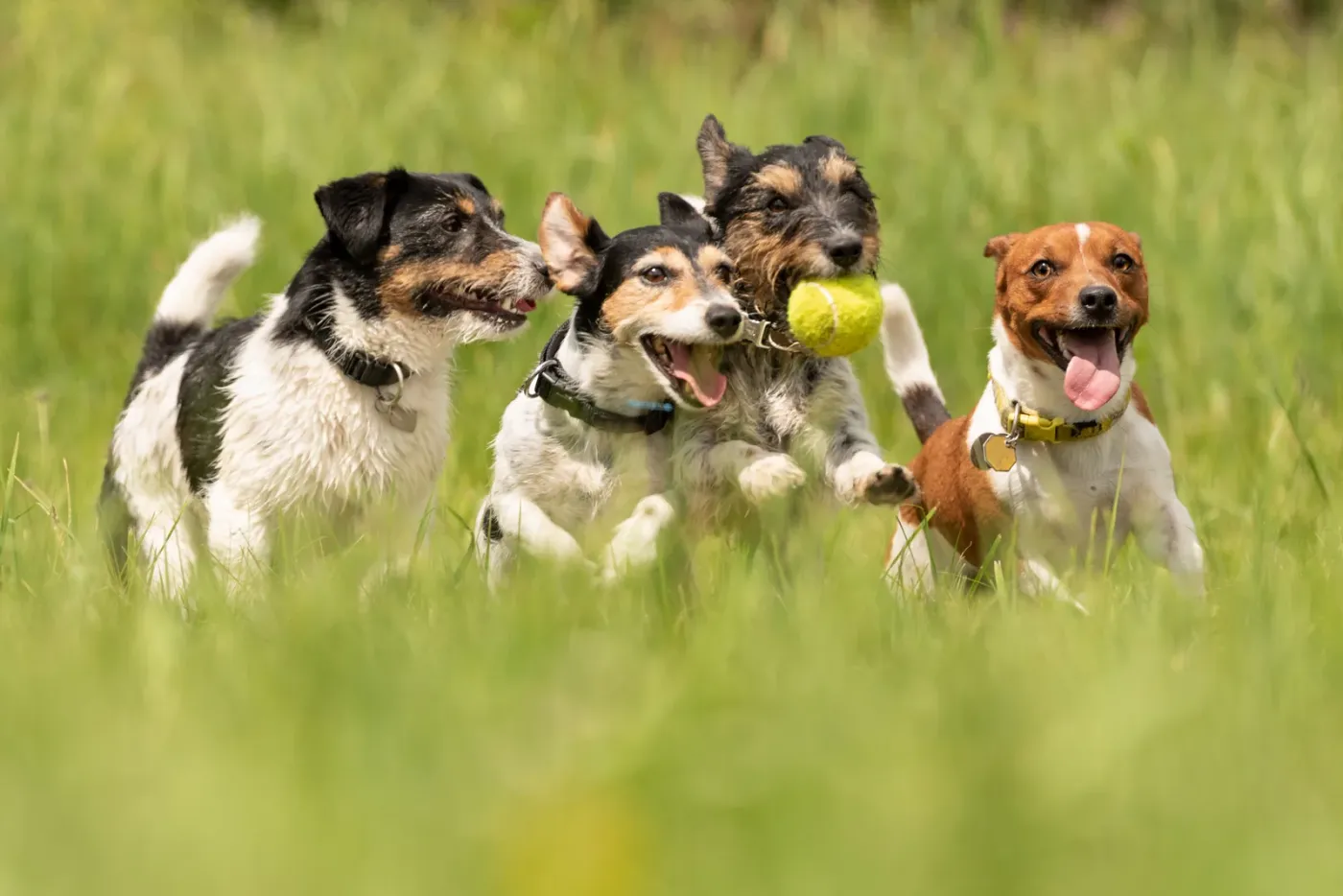
Terrier in miniature
Big opinions, short legs and a busy nose.
Many Yorkies bark at passing dogs, delivery trucks and leaves that move suspiciously. Some also bark at their owners to demand a lap or a snack, and that habit grows quickly when it works. We teach a calm alternative, such as going to a bed when the door opens, and stop paying out attention for noise. Management comes first: a gate that keeps the dog away from the front window removes a lot of daily rehearsal.
House-training can drag because a Yorkie can slip behind a chair unseen. Taking the dog out on a schedule and rewarding outside, every time, helps more than cleaning up after the fact. Recall is where honesty matters most. A terrier that spots a squirrel may simply stop hearing you, and its small size makes open ground riskier around bigger dogs and traffic. A long line in fenced spaces is far safer than hoping.
- Gate the front window
- Reward calm at the door
- Scheduled toilet trips outside
- Long line before freedom
Formats that suit
How Yorkie lessons tend to be shaped.
Yorkies often do best with quick, varied sessions: a few reps of place, a short loose-leash stretch, then a game. Food and play both work as rewards, and switching between them keeps a terrier guessing in a good way. Handling practice matters too, because that long silky coat needs regular brushing and many resent it at first. Coughing on the leash, sore teeth or any change in appetite are questions for your vet, not your trainer.
Puppy Fundamentals, a three-week board and train at $2,775 + GST, works on crate comfort, name recognition and calm exposure to new sounds. Private Training at $150 + GST per hour suits owners who want to tackle the barking at home with a written plan. For a Yorkie with genuine fear or snapping, Behaviour Rehab starts with a full assessment. The consultation picks the program, and a smaller one gets recommended when it will do the job.
Asked and answered
The questions people ask us.
Are Yorkshire Terriers easy to train?
Many learn cues quickly, so the first lessons can feel easy. Keeping those cues reliable is the harder part, because a Yorkie often has its own opinion about whether a cue applies right now.
Are Yorkshire Terriers hard to train?
They can be, mainly around barking, house-training and recall. Short sessions, a fixed routine and rewards worth working for tend to make steady progress possible.
What should Yorkshire Terriers training focus on first?
Toileting on a schedule, a calm spot to go when the door opens, and coming when called on a long line. Those cover the problems Yorkie owners mention most.
Can a Yorkie be trusted off-leash?
Some can in safe, fenced areas after a lot of proofing, but a terrier nose can override recall in a heartbeat. Keep a long line on until recall holds around real distractions, and keep a small dog away from traffic regardless.
Keep reading
Terrier brain, tiny body
Tell us what your Yorkie barks at and where recall falls apart. Book a consultation and we will suggest a sensible plan.
From real owners
Rated 5.0 on Google.
Real Northline dogs