
Breed guides
Are Newfoundlands easy to train?
Newfoundlands earned the gentle giant label honestly. Many are soft-mouthed, patient and happiest close to their people, which makes them pleasant students. They also tend to mature slowly, love water with real conviction, and grow faster than their judgment does. Here is how both answers, easy and hard, can be true of the same dog, and what training tends to look like.
Last reviewed October 4, 2026
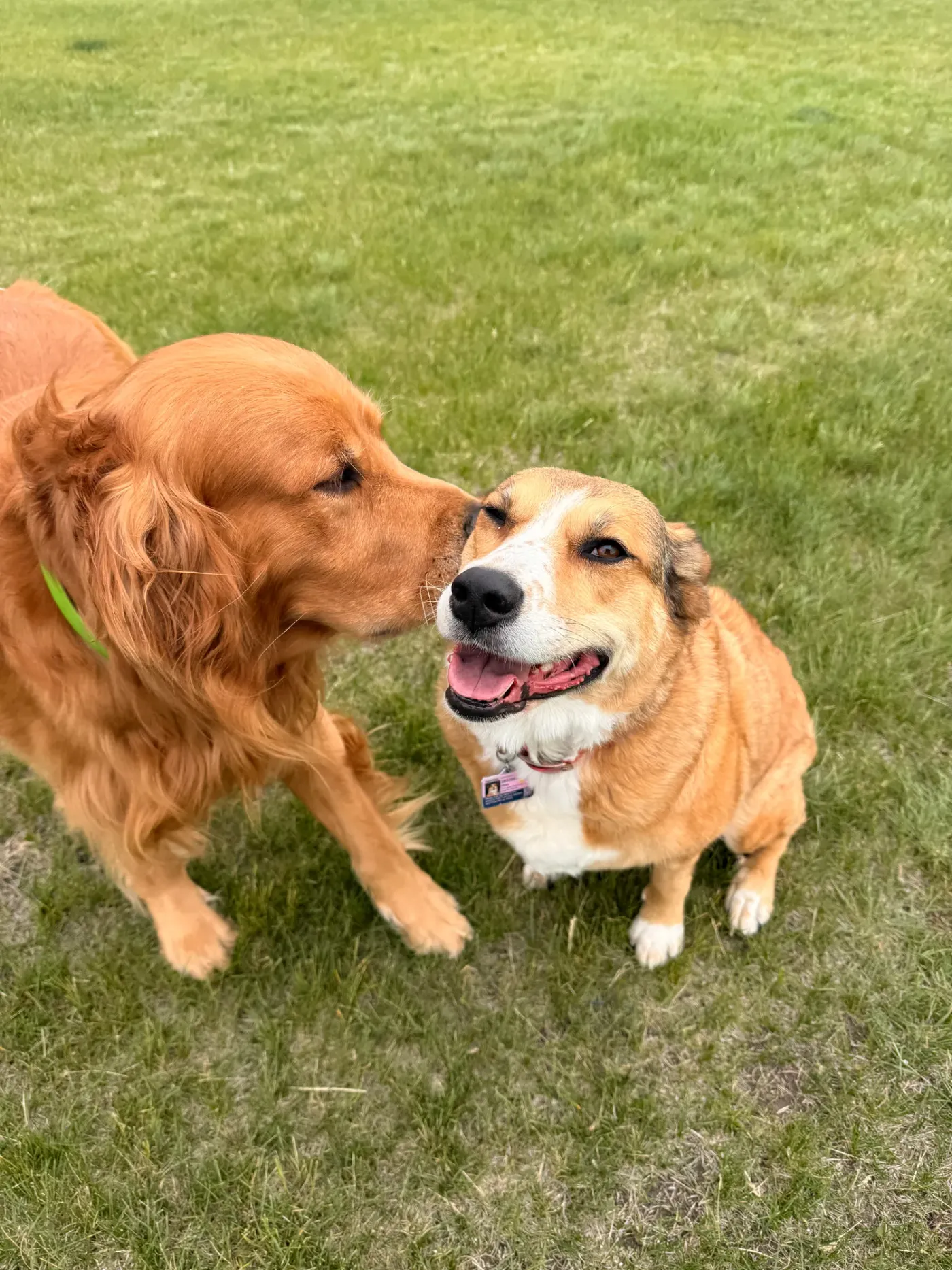
Weight before wisdom
A soft temperament inside a very large body.
Many Newfoundlands respond well to markers and food. They often want to please, rarely sulk at a clear rep, and tend to settle into a routine without fuss. What trips owners up is timing. A puppy that leans gently on your leg at four months is leaning with far more mass at a year, and an affectionate jump becomes a knockdown risk for a visitor.
Slow maturity is the other piece. Many Newfies keep a puppy's attention span well into a body that looks fully adult, so long, repetitive drills tend to lose them. Short, frequent reps with a clear finish usually suit the breed better. We teach the skills with rewards first, then add a slip lead or training collar only where it fits that particular dog, and we show the owner how to use it.
- Loose leash before full size
- Calm greetings without leaning in
- Place command near the door
- Recall that competes with water
Water and formats
Where the water instinct and the program options meet.
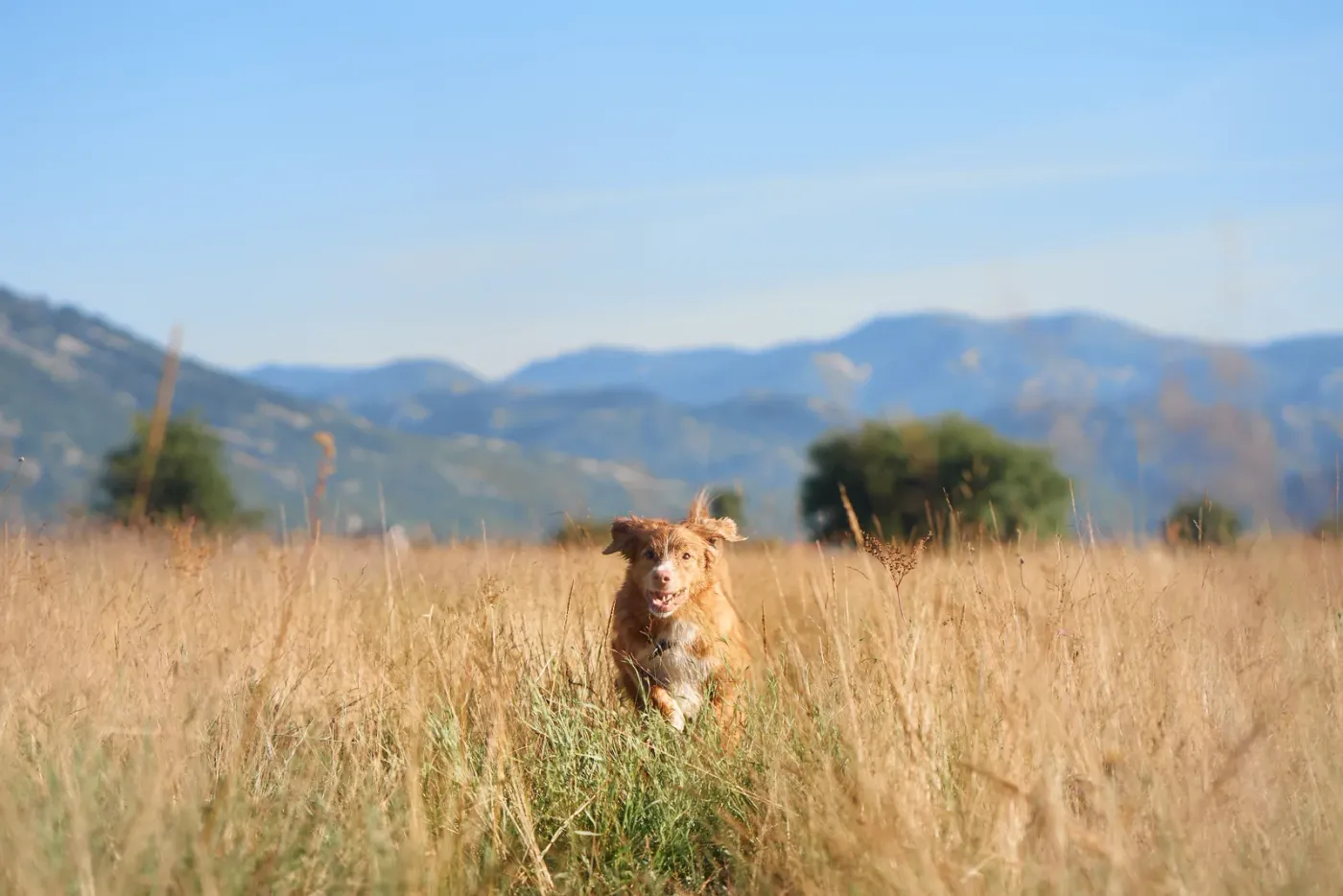
Plenty of Newfoundlands treat any lake, river or puddle as an invitation, which matters the moment you consider off-leash time. A recall has to compete with water, not just squirrels. That is the work Functional Off-Leash is built around: recall around distractions and off-leash manners, with an Educator remote collar included and owner education on using every tool properly.
For a young Newfie, Puppy Fundamentals ($2,775 + GST, three weeks) works on leash manners, place and calm exposure to new sights and sounds. An older dog that drags may fit On-Leash Foundations instead. Joint, heart and growth questions belong with your vet, not with us. At the consultation we recommend a program, and we will say so when the smaller one covers what your dog needs.
Asked and answered
The questions people ask us.
Are Newfoundlands easy to train?
In temperament, often yes. Many are cooperative, food-motivated and forgiving of a beginner's timing. The challenge is that their size tends to outpace their maturity, so manners need to come early.
Are Newfoundlands hard to train?
They are rarely hard in attitude, but they can be hard to manage physically. A distracted adolescent Newfie pulling toward water or a friendly stranger is a lot of dog to hold. That is why leash work is worth starting as early as possible.
Where does Newfoundland training start?
Loose-leash walking, a calm sit for greetings and a place command are good first skills, since those protect visitors and your shoulders. Recall around water comes later, once the basics are steady. Short sessions help, because many Newfies tire of repetition before they tire physically.
Do joints matter when training a Newfoundland puppy?
Ask your vet about exercise limits and growth for your specific puppy. Training for a young giant can focus on manners, focus and calm rather than distance or jumping, while your vet sets the activity limits.
Keep reading
Start before the growth spurt
Book a consultation and we will look at your Newfoundland's age, size and habits, then recommend the program that fits.
From real owners
Rated 5.0 on Google.
Real Northline dogs