
Breed guides
Are Havanese easy to train?
Havanese were bred as companions, and many still treat your lap as their workplace. That closeness makes them easy to motivate and quick to read your mood. It can also mean a dog who frets when you leave, sulks after a sharp tone, and leaves small puddles you only find later. Here is what training tends to look like for this breed.
Last reviewed October 4, 2026
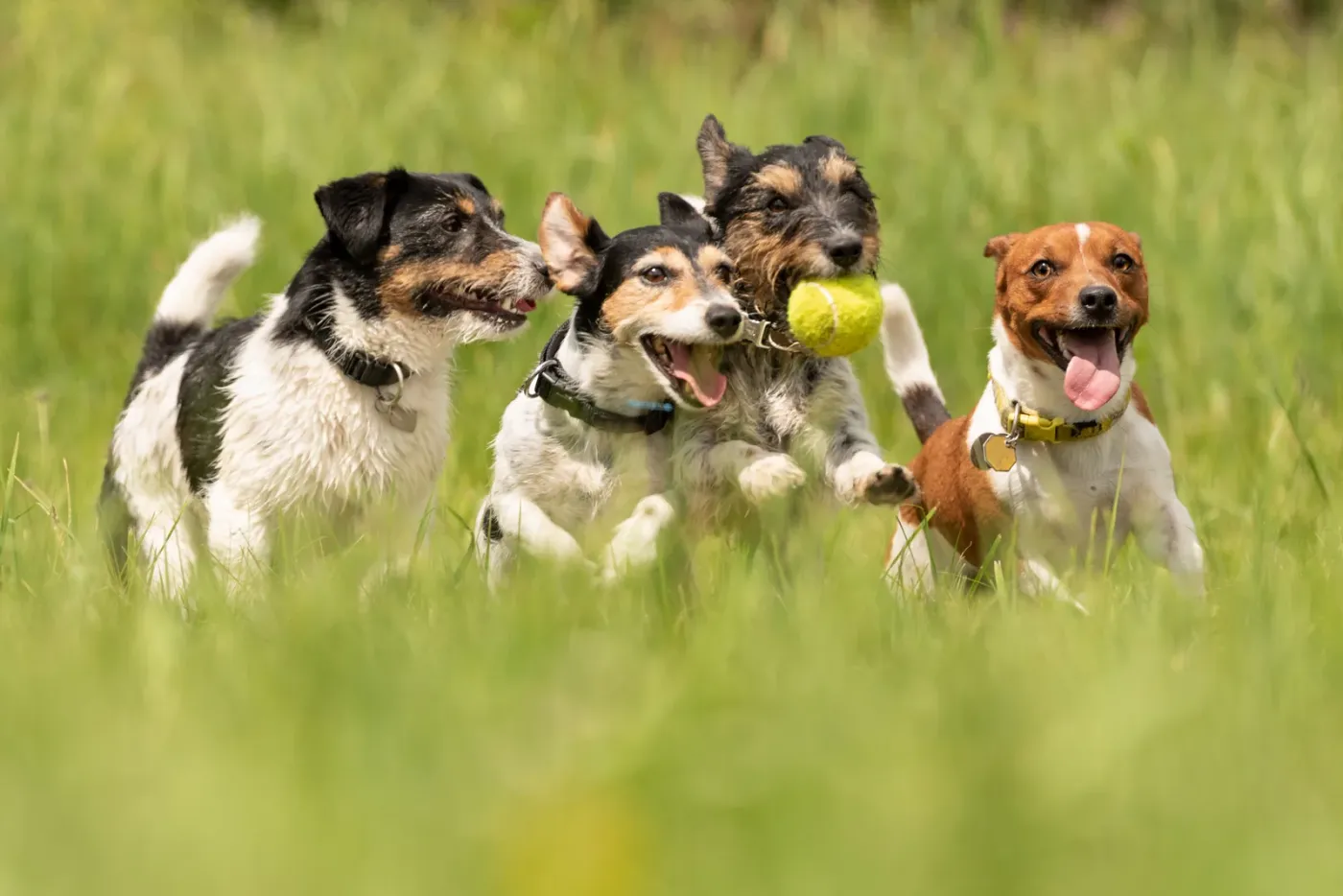
Bright and sensitive
A companion breed that notices everything you do.
Many Havanese learn fast and enjoy tricks, which is why they often look easy to train in the first week. They tend to respond best to warm, clear feedback and plenty of reward. Because they are sensitive, a frustrated tone can shut some of them down, so sessions work better when they are short, upbeat and finished on a win.
House-training is where many owners stall. A small bladder, a small dog and a big house add up to accidents behind furniture that are easy to miss. Separation can be the other hurdle: a Havanese who follows you everywhere may struggle when the door closes. Neither is stubbornness. Both are worth working on with routine, structure and gradual practice.
- Toileting outside on schedule
- Calmer when left alone
- Loose leash, no carrying
- Settling on a place mat
Small dog manners
Leash skills and independence for a lap dog.
Small dogs often get away with pulling, barking at bigger dogs or being scooped up mid-walk, and many Havanese learn that drama gets them lifted. We teach loose-leash walking, sit, down and a place command with markers and rewards, using a slip lead or collar fitted for a small dog and taught to you. Crate comfort and short absences build alone time gradually.
Puppy Fundamentals covers crate comfort, leash manners and structured socialization, and On-Leash Foundations, at $1,865 + GST, suits an adult who pulls. Where a Havanese panics when left alone, a vet visit and a professional assessment come first, and Behaviour Rehab works on anxiety at the dog's pace. The consultation suggests the right option, and a smaller one when it covers the need.
Asked and answered
The questions people ask us.
Are Havanese easy to train?
For cues and tricks, many are. They are often eager, food motivated and tuned in to their people, which makes reward-based training a natural fit.
Are Havanese hard to train?
The hard parts are usually house-training and time alone rather than obedience. Both take patience and a steady routine, and harsh handling tends to make a sensitive Havanese worse.
What does Havanese training involve?
A toileting schedule, crate comfort, loose-leash walking and gradual practice at being alone, taught gently with markers and rewards. Small-dog habits such as being carried past every trigger are worked on too.
Can a Havanese learn to be left alone?
Many can learn to cope better with time alone when absences are built up gradually and the routine is predictable. If your dog shows real panic, start with your vet and a professional assessment rather than leaving them to cry it out.
Keep reading
Small dog, big feelings?
Book a consultation and we will look at your Havanese's house-training, leash manners and time alone, then recommend a fit.
From real owners
Rated 5.0 on Google.
Real Northline dogs