Breed trainability
Are Goldendoodles easy to train?
Goldendoodles arrive with a label that predicts little about training. In our experience two doodles from the same litter can differ in energy, sensitivity and how they take to being handled, so the useful question is not what the cross is like but what this dog is like. This page covers what that means for cues and manners, and gives the coat real attention: grooming tolerance is training, and it starts at home.
Last reviewed September 25, 2026
Read the individual
The cross is a range, so the dog decides the plan, not the label.
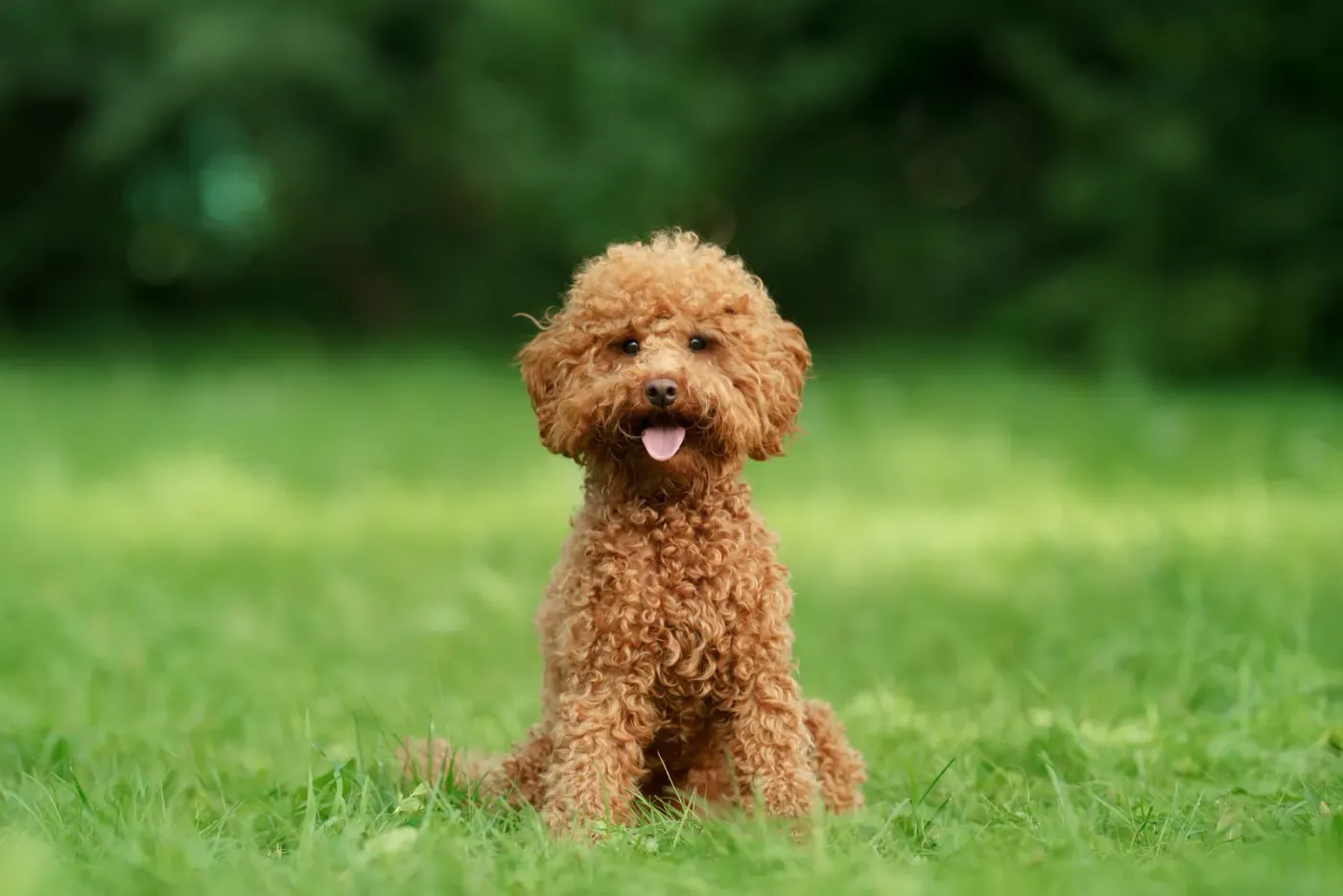
We do not diagnose a doodle by parent. Temperament is not handed down in fixed shares, and two dogs with the same pedigree can behave differently, so we start by reading the individual: what it will work for, how quickly it recovers from a surprise, whether it settles on its own, and how it reacts to a hand on its paw. Many of the doodles we meet are food-motivated and people-focused, which makes cue learning pleasant, and that is only one skill.
Programs are matched to the dog at a consultation, not to the cross. Puppy Fundamentals is a three-week board and train at $2,775 plus GST, built for puppies. Day Training is $650 plus GST per week on weekdays, with a weekly one-hour go-home lesson, built for dogs that need daily work and go home every night. Private Training is a one-hour session at $150 plus GST with a written weekly plan, built for hands-on owners. We point to the smaller option when it is enough.
- Read the individual, not the label
- Recovery from surprise matters
- Cue learning is one skill only
- Program matched at the consultation
Grooming is training
Brush, paws and clippers, taught in small steps with room to pause.
Many doodles need regular grooming for life, so we treat tolerance of handling as a skill and build it gradually. The first steps are quiet: a hand resting on the shoulder, then a paw held for a second and released, then a single brush stroke, each followed by a reward and each short enough that the dog stays relaxed. We watch for lip licking, stiffening or pulling away, and we stop and go back a step rather than push through.
Powered tools are a separate stage. The sound and vibration of clippers or a dryer are introduced from across the room, paid, and brought closer; running them on the dog comes last, once quiet handling is easy. Paying for an exposure does not make it appropriate: if the dog cannot eat or settle, the step was too big and we go back. The aim is a dog that stands calmly for a brush at home and on the groomer's table, on its own timeline.

Asked and answered
The questions people ask us.
Are Goldendoodles hard to train?
The cues are usually not the hard part; in our experience the difficulty, when there is one, comes from a large, energetic adolescent in a home that needs it to be careful. A standard doodle that greets by leaping is a safety matter around small children or older relatives, so we would start greeting work early rather than waiting for the dog to mature. Smaller doodles skip the physics but not the practice.
Are Goldendoodles stubborn?
Not usually, and we would check for sensitivity before stubbornness. Some doodles shut down under a raised voice or a hard leash correction and look like they are refusing when they are actually worried. Softer handling, clearer rewards and shorter sessions are where we would start with a dog like that.
Are Goldendoodles good first dogs?
They can be, if the household is choosing a range rather than a fixed temperament. We would meet the parents where possible, plan for regular grooming from the first week, and budget time for handling practice at home. Adolescence is often the stretch where owners want help, and a consultation is the place to work out how much.
Are Goldendoodles easy to potty train?
Some are quick, some are not, and the cross does not tell us which. The size range matters more than the label: a mini doodle is a small dog with a small bladder and may need more frequent trips than a standard, so we build the schedule around the individual. Rewarding the dog the moment it goes and supervising between trips is the routine we rely on, and we do not promise a date by which it is finished.
Keep reading
Train the doodle you have
Book a consultation and tell us about your doodle, coat and all. We will recommend what fits, or something smaller.
From real owners
Rated 5.0 on Google.
Real Northline dogs