
The method
How to train an older dog
The old saying about old dogs and new tricks has cost more dogs a good life than almost any other piece of folk wisdom. Adult and senior dogs learn readily. What makes them different from puppies is not capacity, it is history: years of rehearsed pulling, ignoring, and door-bolting that has to be dismantled while the better habit goes in. That changes the plan, not the outcome.
What changes
Same learning, different logistics.
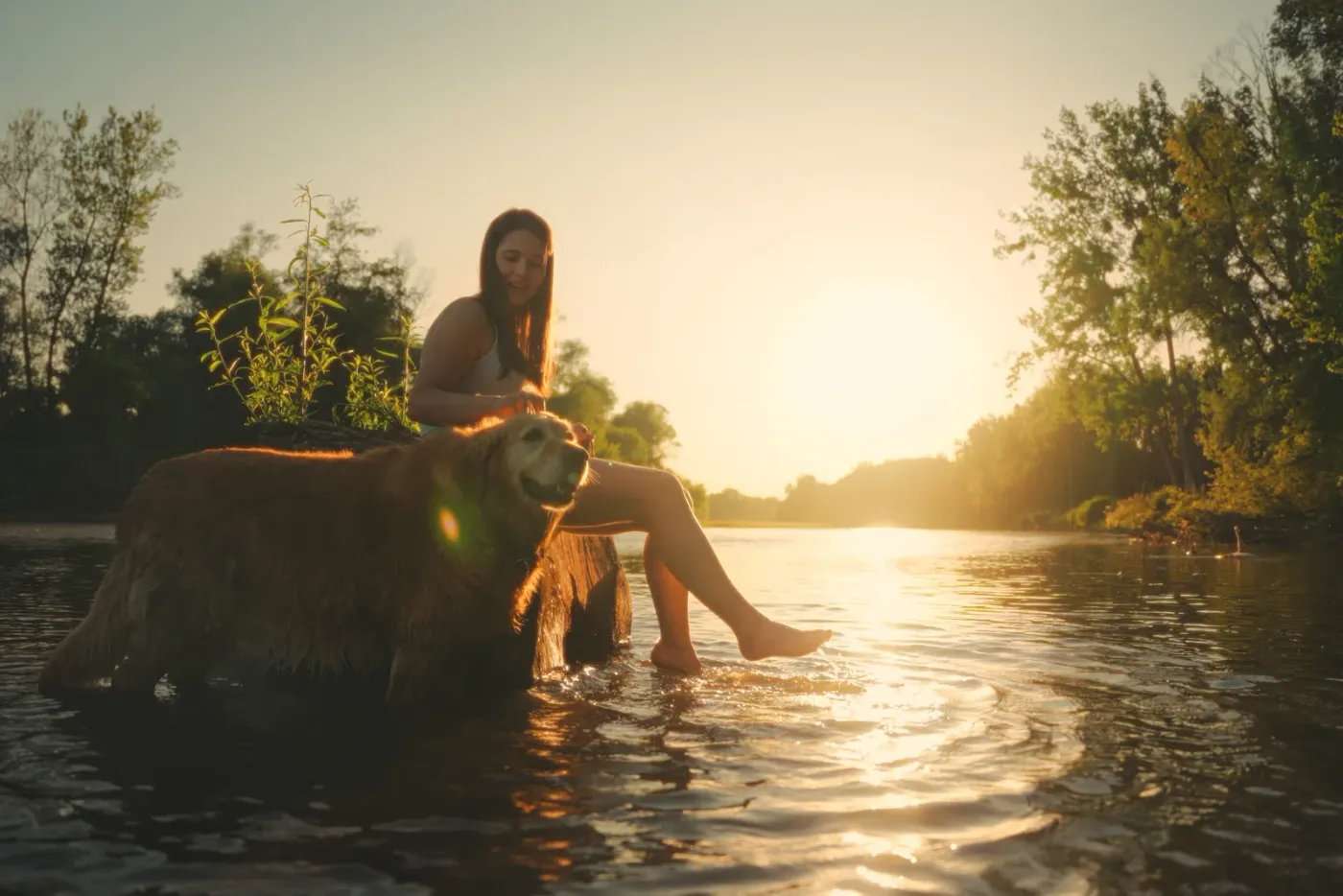
Adjust the format, not the ambition. Older dogs do best with short, frequent sessions: five focused minutes beats a half-hour grind that leaves a senior sore and checked out. Respect the body. Skip repeated sits on hard floors for a dog with stiff hips, train on rugs, and let a long-bodied dog stand for work a puppy would do sitting. A comfortable dog learns; an aching one just endures.
Then plan the demolition. A nine-year-old puller is not learning loose-leash walking from zero, it is unlearning nine years of leash pressure meaning go faster. That means managing the old rehearsal, no more pulling that works, while the new behaviour gets paid heavily enough to compete. Markers and rewards do the teaching, exactly as with a puppy; the difference is you are outbidding a habit with seniority.
- Short sessions, several per day
- Train on joint-friendly surfaces
- Stop the old rehearsal first
- Pay the new habit generously
Timelines and wins
The most expensive myth in dog ownership.
Set timelines by habit age, not dog age. A behaviour rehearsed for months usually shifts in weeks of consistent work. A behaviour rehearsed for years can take months to fully replace, with real improvement showing much earlier. The steepest gains come first: pulling softens, the name starts working, the door stops being a starting gun. What follows is the slower work of making the new normal permanent.
For seniors, aim at the wins that change daily life: calm leash walks, polite greetings, settling on a mat while the family eats. These are exactly what our Private Training sessions and Day Training weeks are built to install, one-on-one, with a written plan you can follow at home. The myth is expensive because owners pay for it in years: years of dreading walks with a dog who could have learned better in a season.
The programs
When teaching it yourself stalls.
The guide above is the real method. These are the faster routes.
W · One-hour session
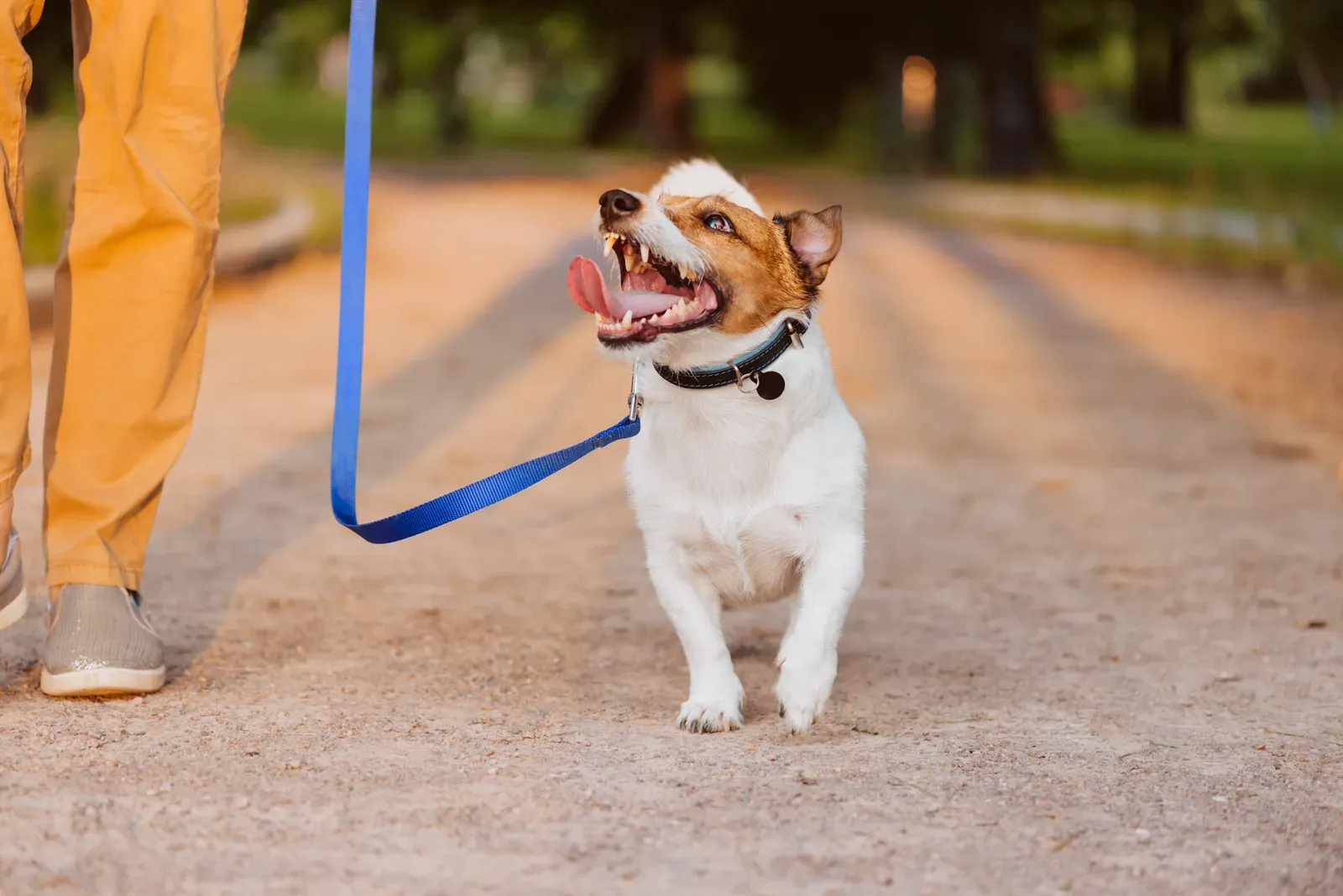
Private Training
One-on-one coaching with you on the other end of the leash.
Includes a written weekly plan to work from
NE · 2-week board & train
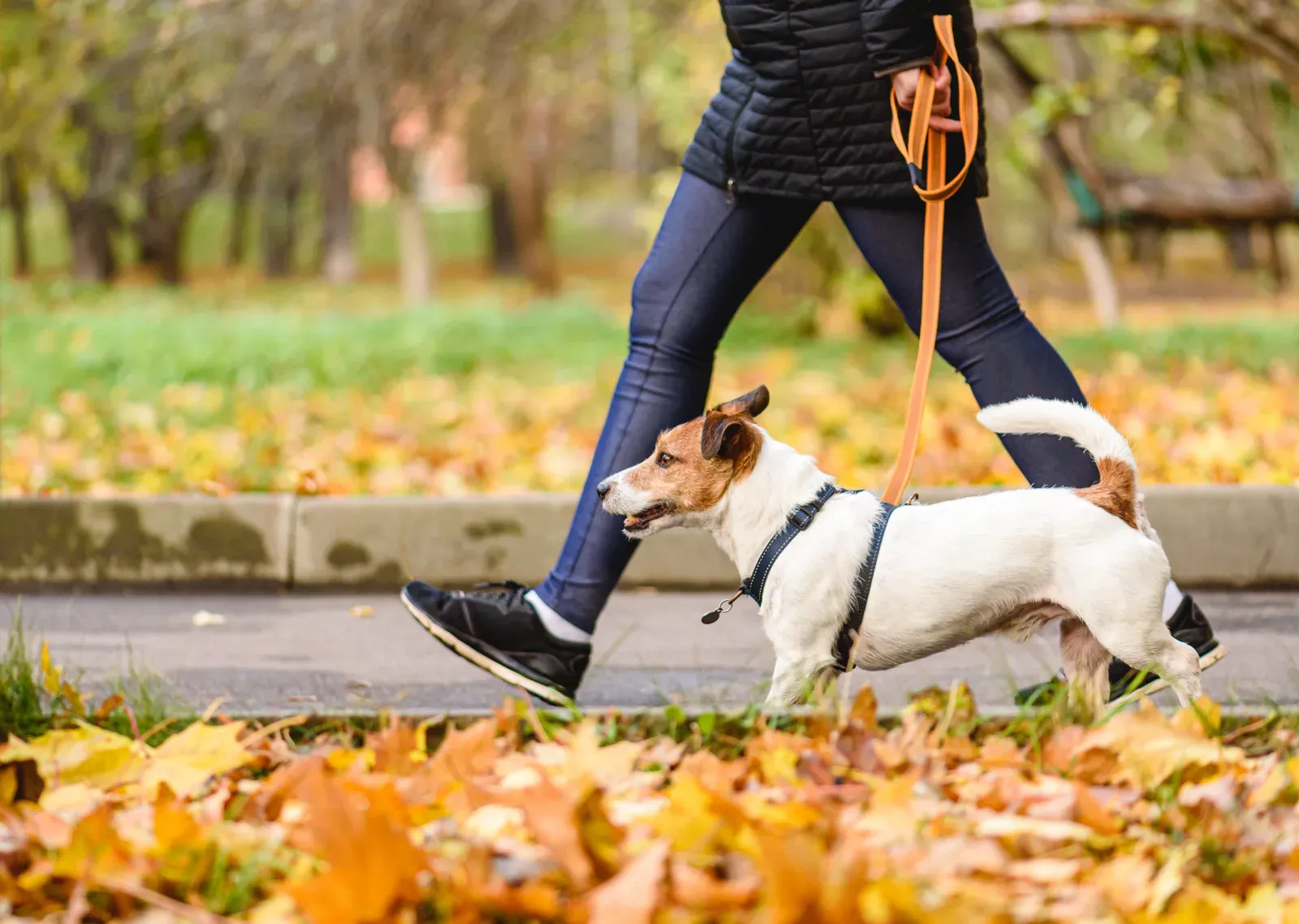
On-Leash Foundations
If every walk is a wrestling match, pulling, barking, zig-zagging, this two-week program rebuilds the walk from the ground up with foundational on-leash obedience..
Includes handover lesson, follow-up session, lifetime support, slip lead + collar
Asked and answered
The questions people ask us.
Can you train an older dog?
Yes, at any age. Learning does not expire; older dogs pick up new skills with the same reward-based teaching that works on puppies. The adjustment is logistical: shorter sessions, comfortable surfaces, and patience with habits that have had years of practice.
Can you teach an old dog new tricks?
The saying is wrong and always has been. Old dogs learn new behaviours readily when sessions are short, rewards are worth working for, and the body is kept comfortable. What is genuinely harder is replacing an old habit, and that yields to consistency.
Is my senior dog too old for training?
If your dog is healthy enough to enjoy a walk, it is healthy enough to train. We adapt mechanics around stiff joints and lower stamina rather than lowering the standard. Check with your vet first if pain or hearing loss might be shaping the behaviour.
How long does it take to train an older dog?
Judge by how long the habit has been rehearsed, not by the birthday. Newer habits turn around quickly; long-standing ones improve early but take months to fully replace. We can map a realistic plan once we meet your dog.
Keep reading
Old dog, new plan.
One-on-one training adapts to any age, with a written plan to follow at home. Book a consultation for your senior.
From real owners
Rated 5.0 on Google.
Real Northline dogs