
The method
How to crate train a dog
A crate is either a den or a jail, and your dog decides which based on what it predicts. Most crate problems start when the door closes before the dog has any reason to like the box. This guide walks the order that works: good things first, meals inside, duration before distance, a workable nights plan, and the one mistake that teaches screaming.
The method
Make the box predict good things.
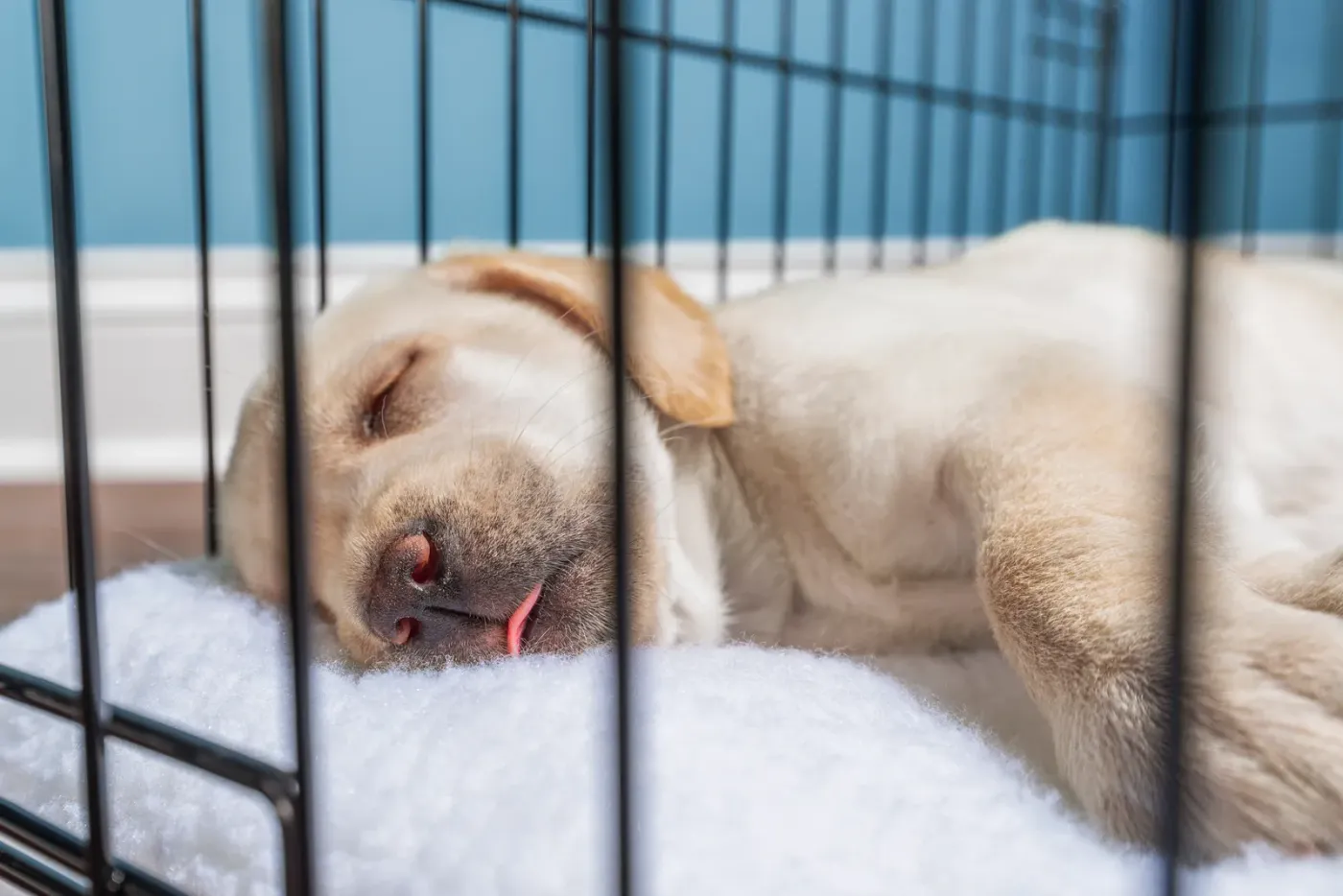
Start with the door open and the pressure off. Every meal happens in the crate. Treats get tossed in whenever you walk past. Chews and stuffed toys appear inside and nowhere else. Within a few days most dogs are marching in on their own, and that is your cue to start closing the door for seconds at a time while you sit right there.
Build duration before distance: a quiet minute with you beside the crate beats ten minutes alone. Only once the closed door is boring do you leave the room. For nights, put the crate beside your bed at first, take the puppy out for a silent potty break if needed, then straight back in. And never open the door mid-scream. Rescuing a crying dog teaches one lesson: screaming opens doors. Wait for quiet, even a breath of it, then release.
- Feed every meal in the crate
- Duration before distance
- Crate beside the bed at first
- Quiet earns the release
When it stalls
Crying, adult dogs, and regression.
Some crying is normal in the first few nights; constant panicked screaming is not, and it usually means the steps got skipped. Go back to open-door meals and short reps. Adult dogs, including rescues with a bad crate history, follow the same sequence, just slower. Give an adult dog a week of good-things-only before you close the door at all, and pick a different spot or even a different style of crate if the old one carries baggage.
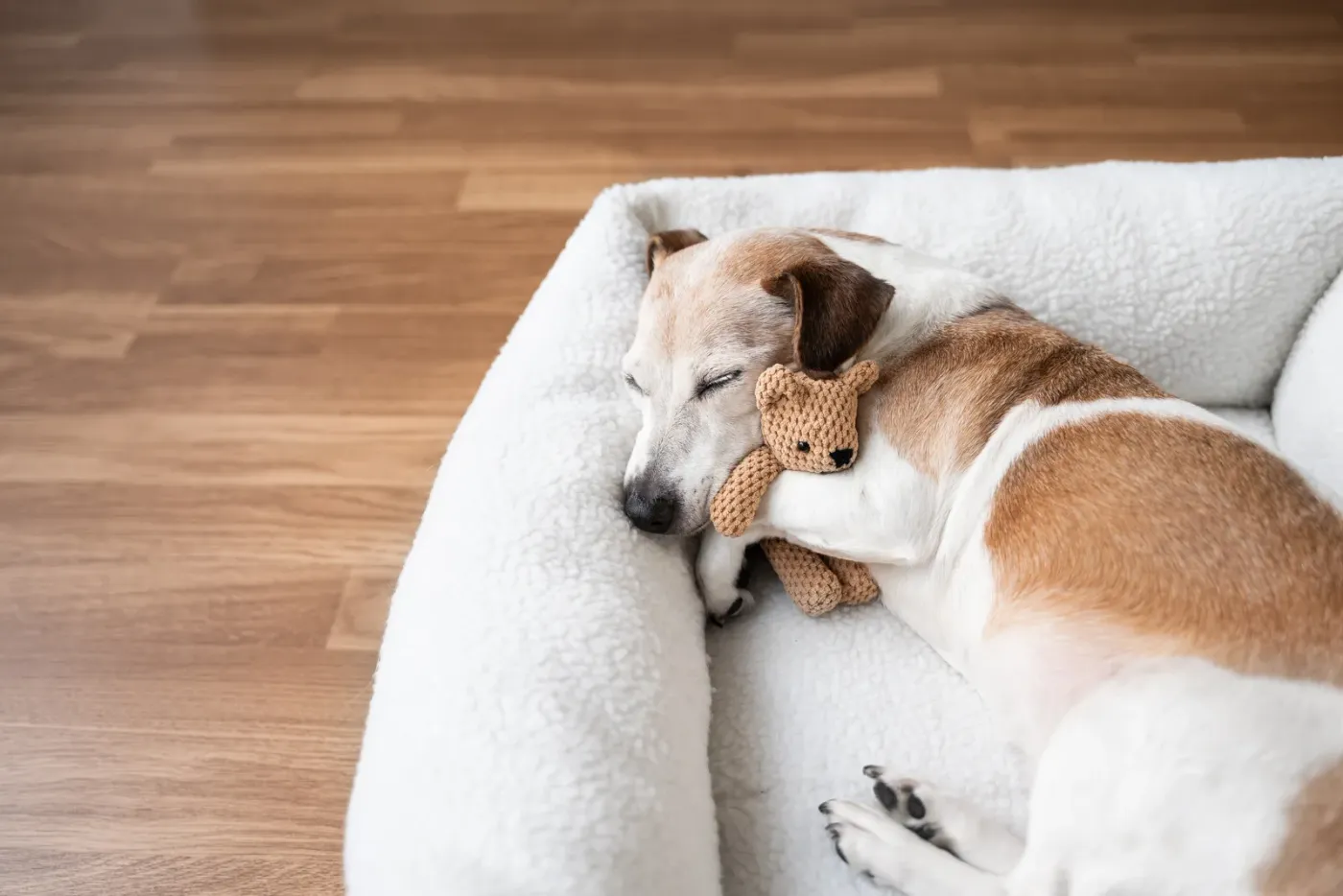
Regression around four to six months is common: a dog that slept through the night suddenly protests again. Check the basics first, more exercise, a later last potty trip, nothing scary near the crate, then hold your line on quiet-earns-release. If the crate fight has been going on for weeks and everyone is exhausted, structured help exists: our Puppy Fundamentals program builds crate comfort into the daily routine, nights included, and finishes with an owner handover lesson.
The programs
When teaching it yourself stalls.
The guide above is the real method. These are the faster routes.
W · One-hour session
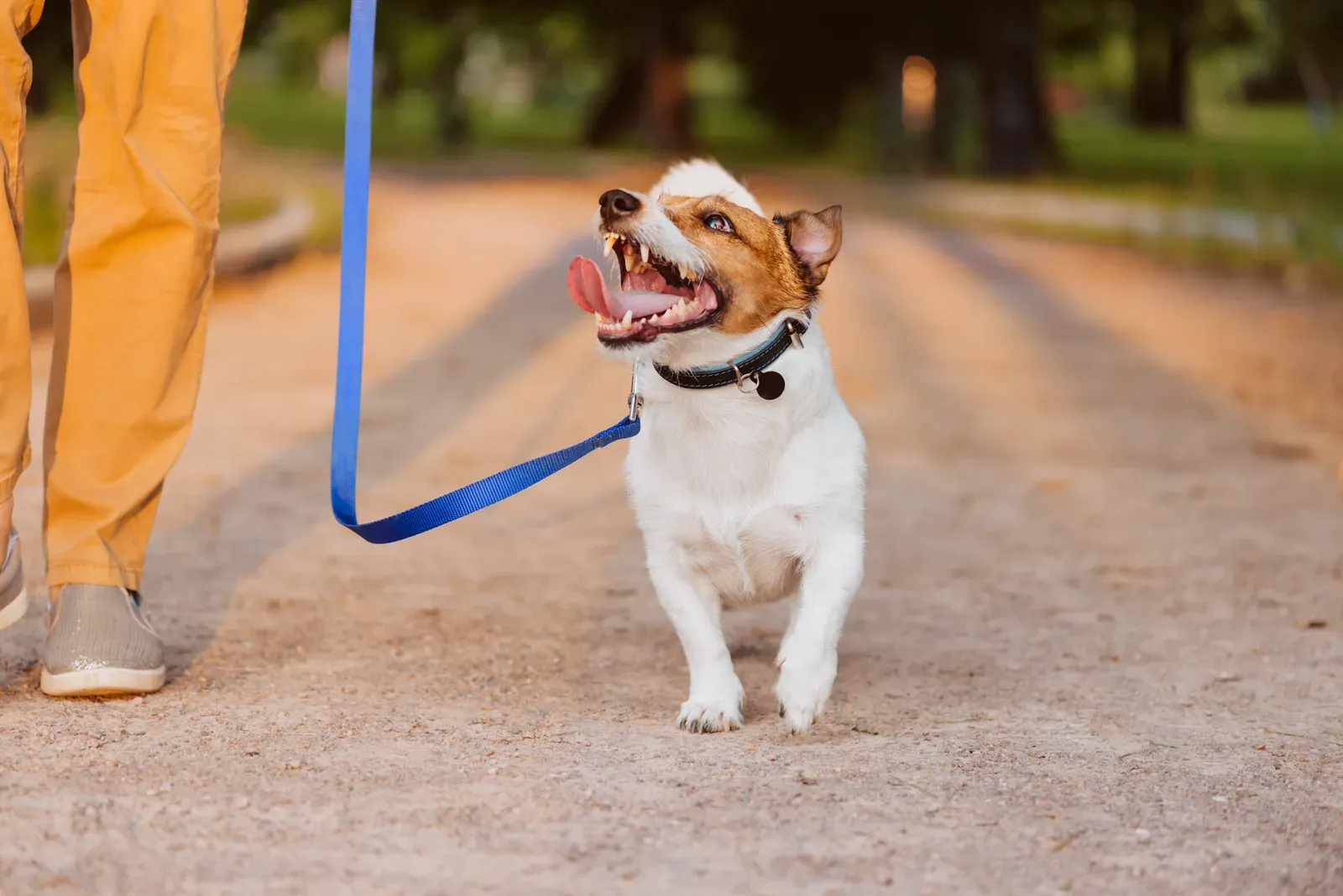
Private Training
One-on-one coaching with you on the other end of the leash.
Includes a written weekly plan to work from
N · 3-week board & train
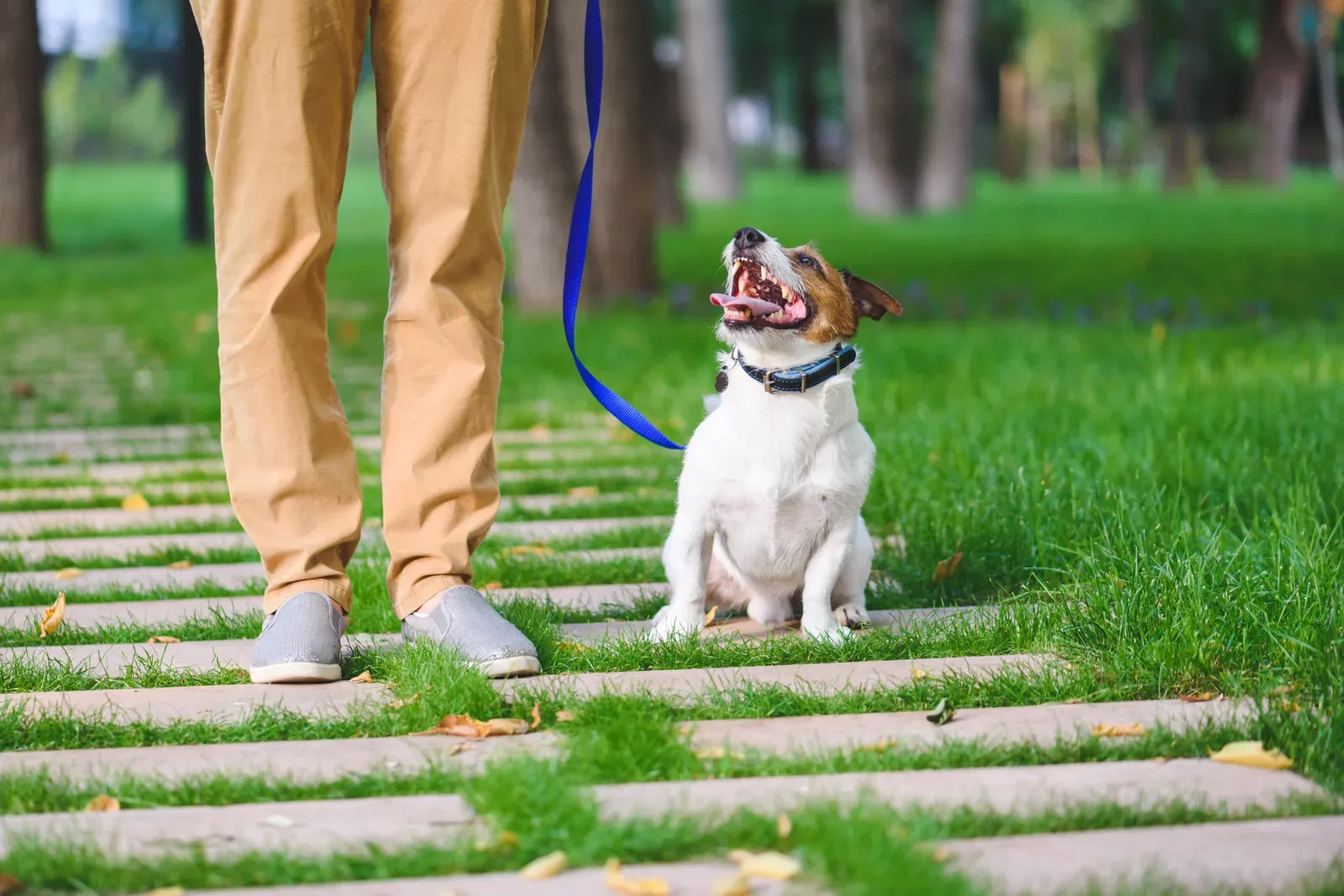
Puppy Fundamentals
Your puppy's first months decide the habits of a lifetime.
Includes handover lesson, follow-up session, slip lead + collar
Asked and answered
The questions people ask us.
How do I crate train a puppy step by step?
Open door and treats first, then every meal inside, then the door closed for seconds while you stay close. Add minutes before you add distance, and only leave the room once the closed door is a non-event. Nights come last, with the crate beside your bed.
How long does crate training take?
A puppy with no bad history often settles in one to two weeks of consistent reps. Adult dogs or dogs with a crate grudge can take several weeks. The speed depends less on the dog and more on whether the door ever opens for noise.
How should I handle crate training at night?
Start with the crate beside your bed so the puppy can hear you. If a young puppy wakes needing to go, do a boring, lights-low potty trip and return straight to the crate. Move the crate to its long-term spot gradually over a couple of weeks.
Should I ignore my puppy crying in the crate?
Ignore protest noise, but do not ignore a puppy that genuinely needs a potty break, which at eight to ten weeks can be every few hours overnight. The rule is that the door never opens during screaming. Wait for a pause, then act.
Keep reading
Crate battles ending badly?
Puppy Fundamentals covers crate comfort, overnights included, across three weeks of one-on-one training. Book a consultation.
From real owners
Rated 5.0 on Google.
Real Northline dogs