
The method
How to teach a dog place
Every dog has an on-switch. Place is the off-switch: one raised cot or mat that means settle, stay, and let the household happen around you. It is the single most useful thing most pet dogs ever learn, and one of the easiest to teach badly. The difference comes down to release discipline and building one difficulty at a time.
Building it
Lure, mark, pay, release.
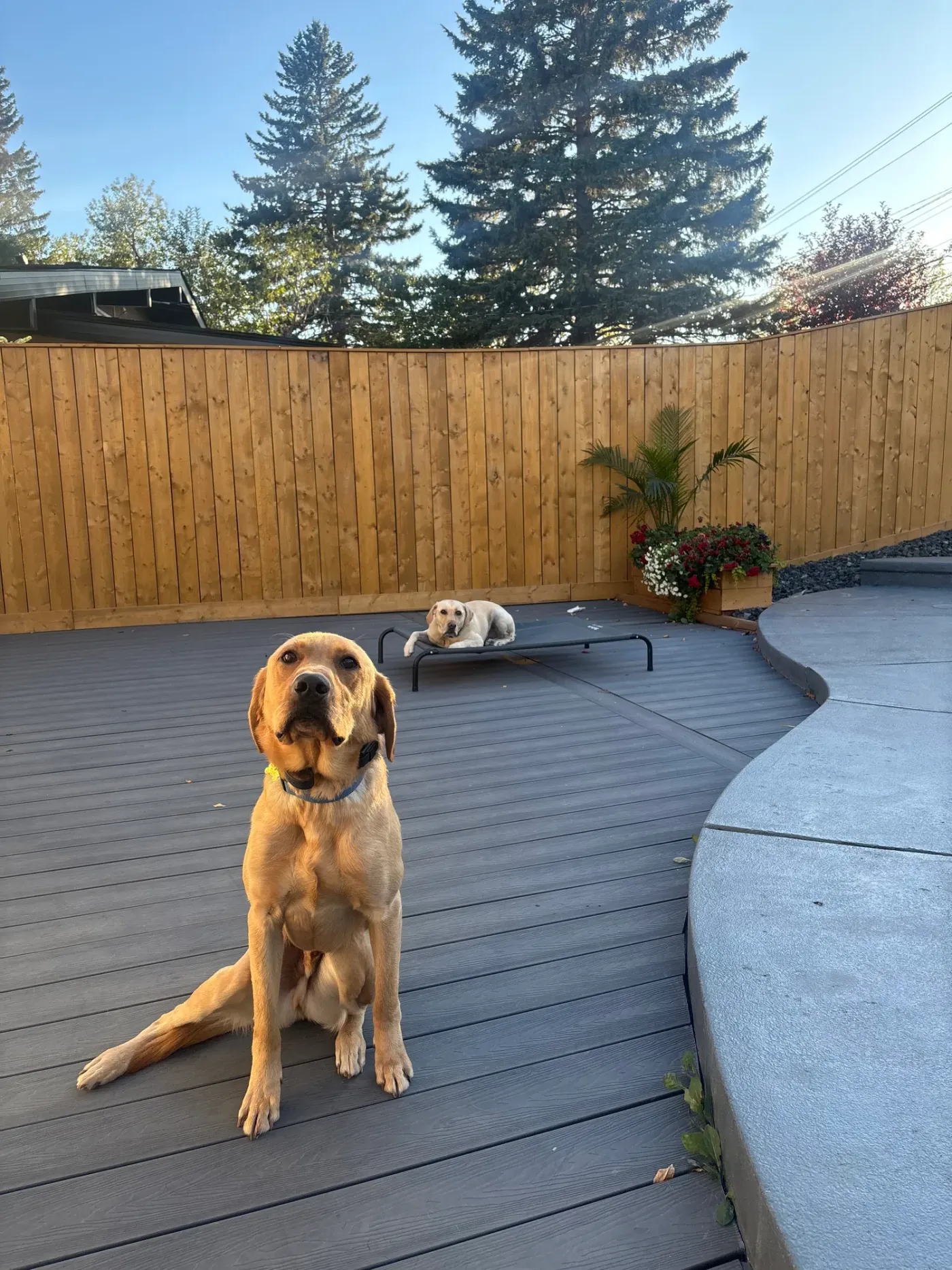
Use a defined surface with edges, a raised cot works best, because the boundary is obvious to the dog. Lure the dog on with a treat, mark the moment all four feet land, and pay on the mat, never off it. After a handful of reps, add the word as the dog steps up. The release word matters as much as the command: the dog leaves only on your cue, so pick one, 'break' or 'free', and use it every single time.
Build the three Ds separately, because stacking them is how place falls apart. Duration first: feed calmly on the mat, stretching seconds into minutes. Then distance: step away one pace, return, pay, and grow it until you can leave the room. Distraction comes last: dropped food, a bounced ball, someone at the door. If the dog breaks, no drama; walk it back, restart, make the next rep easier. Never call the dog off place, always release with the word.
- Pay on the mat only
- One D at a time
- Release word every time
- Calm walk-backs, no drama
Daily life
Doorbells, dinners, and patios.
This is where the mat earns its floor space. Doorbell rings, dog goes to place instead of body-checking the guests. Dinner is served, dog settles on the cot instead of drooling at elbows. Patio season arrives, and a portable mat becomes a familiar island under the table while you finish a beer in peace. Practise each scenario as its own drill, staged and rewarded, before you expect it live: recruit a friend to ring the bell ten times in a row.
Most place problems trace to three habits: repeating the command instead of resetting the dog, forgetting the release so the dog learns to self-dismiss, and jumping to doorbell-level distraction from a two-day-old skill. Fix the habit and the command recovers. Place is also baked into our Puppy Fundamentals and Complete On-Leash Foundations board and trains, taught daily inside a structured routine, so if you would rather have it arrive ready-made alongside the other foundations, that path exists.
The programs
When teaching it yourself stalls.
The guide above is the real method. These are the faster routes.
SW · Weekdays, drop-off 8–10 am · pick-up 5–7 pm
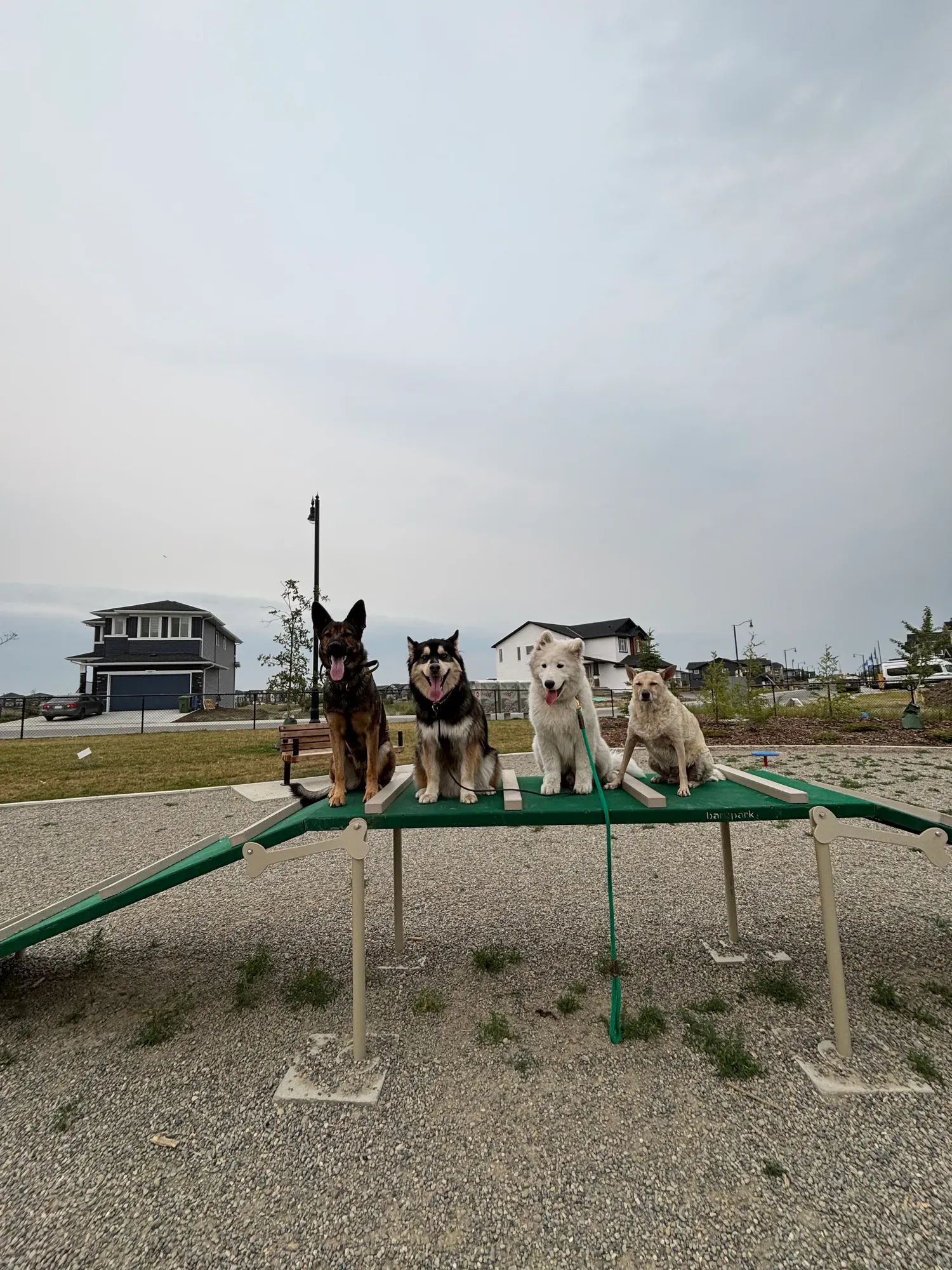
Day Training
Professional training all day, your couch at night.
Includes weekly one-hour go-home lesson, daily structure
NE · 2-week board & train
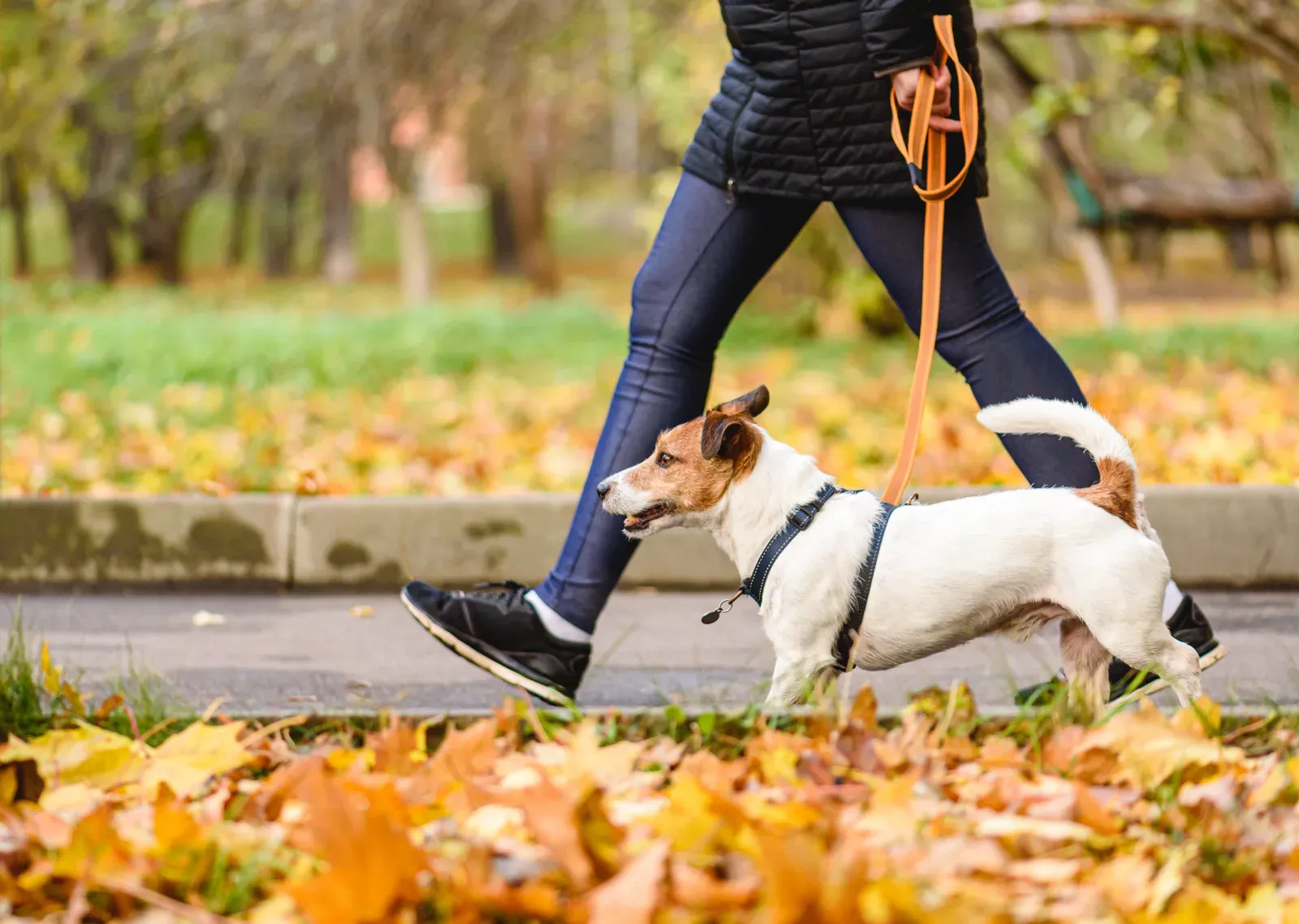
On-Leash Foundations
If every walk is a wrestling match, pulling, barking, zig-zagging, this two-week program rebuilds the walk from the ground up with foundational on-leash obedience..
Includes handover lesson, follow-up session, lifetime support, slip lead + collar
Asked and answered
The questions people ask us.
What is place command training?
It teaches the dog to go to a defined spot, usually a raised cot or mat, and remain there calmly until given a release word. It is less a trick than an off-switch. Once solid, it handles doorbells, dinner times, and guests without micromanaging.
How do I teach my dog to settle on a mat?
Reward everything calm that happens on the mat: sitting earns a treat, lying down earns three, a sigh and a hip roll earn a jackpot. Feed slowly and quietly so the mat itself starts predicting relaxation. Settling is a state you pay for, not a command you demand.
How long should a dog stay on place?
Start with seconds and build to somewhere between twenty minutes and an hour for household use, long enough to cover a dinner or a visit. Duration grows through boring, well-paid repetition. A dog that can hold place through a meal has genuinely learned the job.
What is the difference between place and stay?
Stay freezes the dog in one position; place anchors the dog to a location and lets it shift, sit, lie down, or curl up. That freedom is why place can run for an hour while a stay burns out in minutes. For everyday household calm, place does the heavier lifting.
Keep reading
Want a calmer house?
We teach place inside a full one-on-one foundation, then show you exactly how to keep it sharp. Book a consultation.
From real owners
Rated 5.0 on Google.
Real Northline dogs