
The method
How to train a rescue dog
A rescue dog walks into your house carrying a history you cannot read. The instinct is to start training immediately, to prove the new life is a good one. Resist it. What a rescue needs first is boring, beautiful predictability: meals at the same times, a bed that is always theirs, walks that ask nothing. Obedience comes later, and comes easier because you waited.
Decompression first
Let the dog land before you teach.
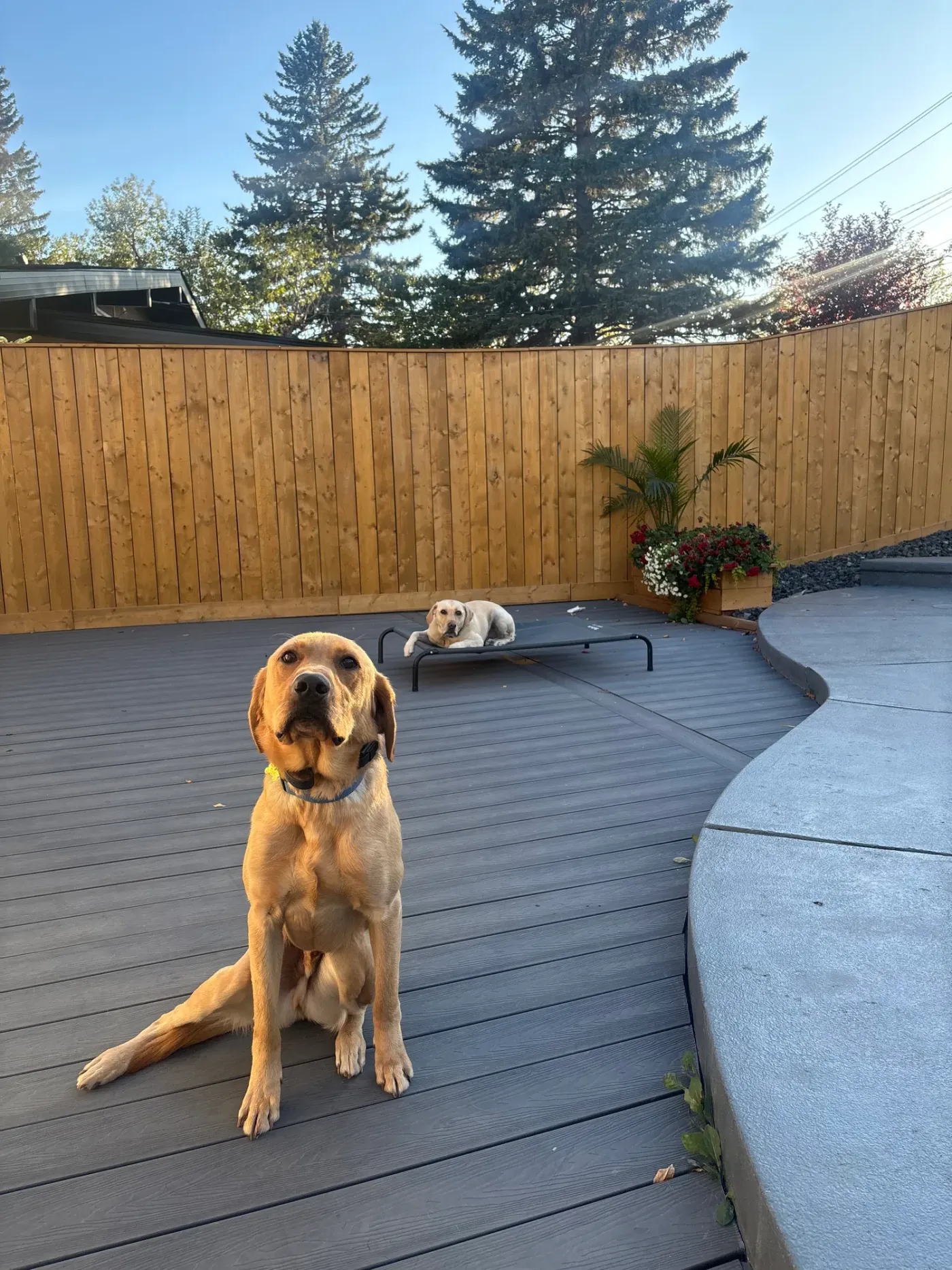
Decompression means shrinking the world until it feels manageable. Keep the first week small: house, yard, one quiet walking route. Feed at fixed times. Crate or pen with the door open so the dog has a retreat nobody invades. Skip the dog park, the pet store, and the meet-the-relatives tour. You are not being unfriendly, you are proving that this new place is survivable, then comfortable, then safe.
The 3-3-3 arc (three days to decompress, three weeks to learn routines, three months to feel at home) is a decent map and a terrible contract. Some dogs settle in a week. Some need six months. Watch the dog, not the calendar: deep sleep, normal appetite, and voluntary check-ins tell you the nervous system is coming down. Trust is built through clarity, not coddling, so keep rules gentle but consistent from day one.
- Fixed meal and walk times
- A retreat space nobody invades
- Small world for week one
- Rules gentle but consistent
Unknown history
Assume nothing, test everything small.
With an unknown history, every first is a test you should run at low stakes. First nail trim: one nail, treat, done. First stranger: at a distance, no greeting required. First time near the food bowl: drop something better in and walk away. If the dog has never seen stairs, a vacuum, or a man in a hat, introduce each one softly and read the answer. You are collecting data, not fixing problems yet.
Most rescues wobble, then level out. Some do not. Fear that intensifies over weeks, growling that escalates to snapping, panic when left alone, or a dog who freezes on every walk are beyond a settling-in period. That is where our Behaviour Rehab program comes in: a 5 to 6 week board and train built around a full assessment, with enough owner education that the progress survives the trip home.
The programs
When teaching it yourself stalls.
The guide above is the real method. These are the faster routes.
W · One-hour session
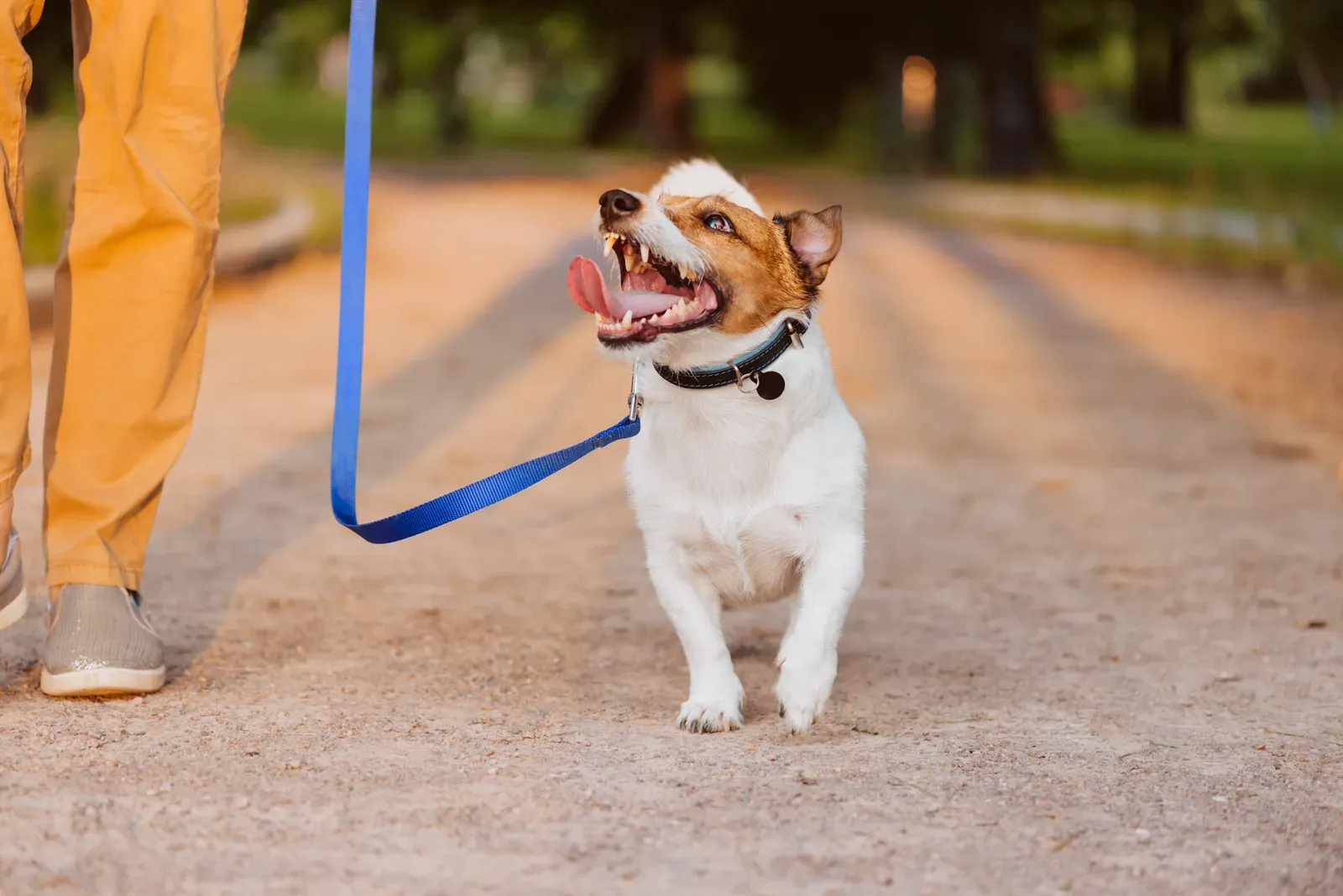
Private Training
One-on-one coaching with you on the other end of the leash.
Includes a written weekly plan to work from
NE · 2-week board & train
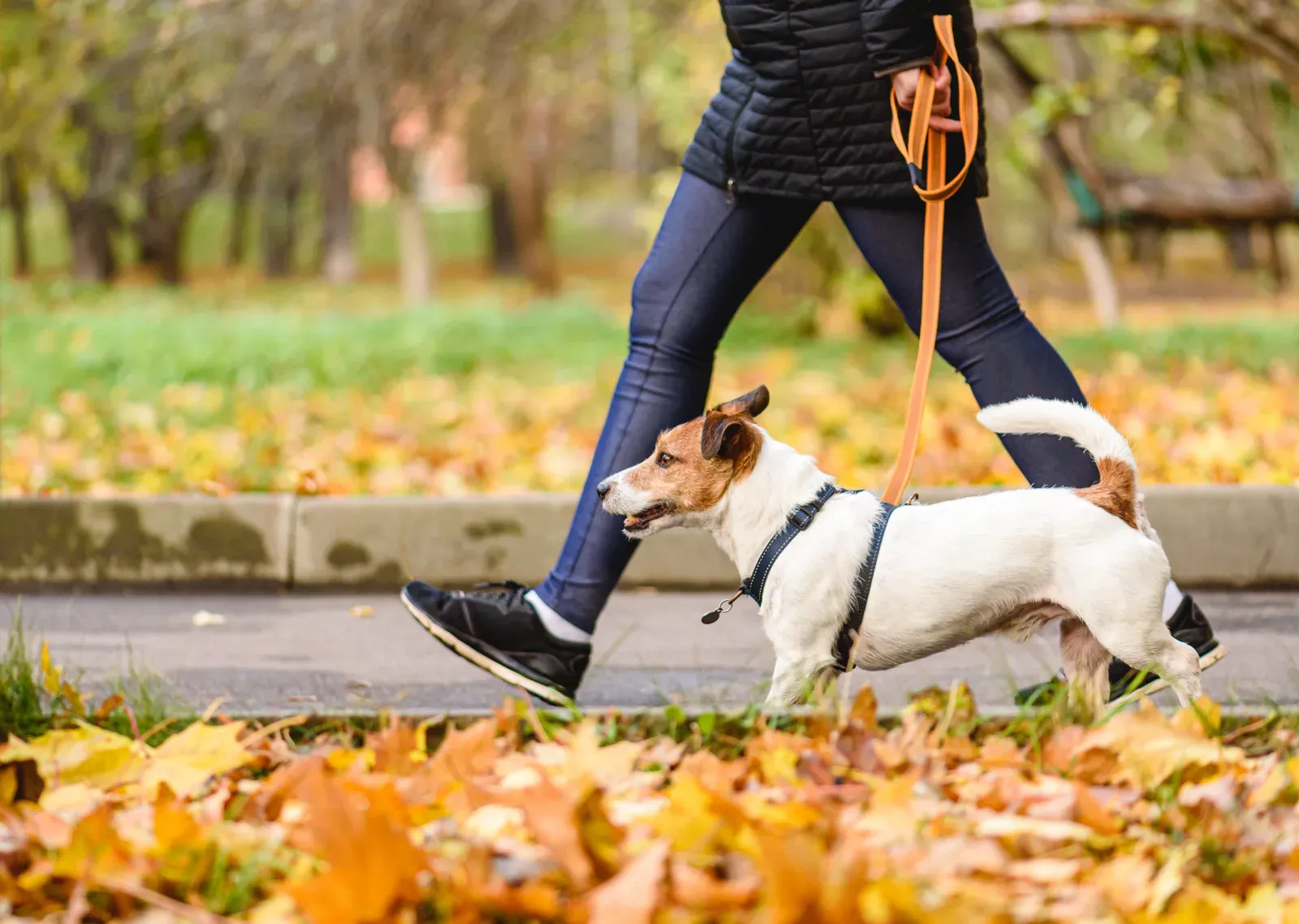
On-Leash Foundations
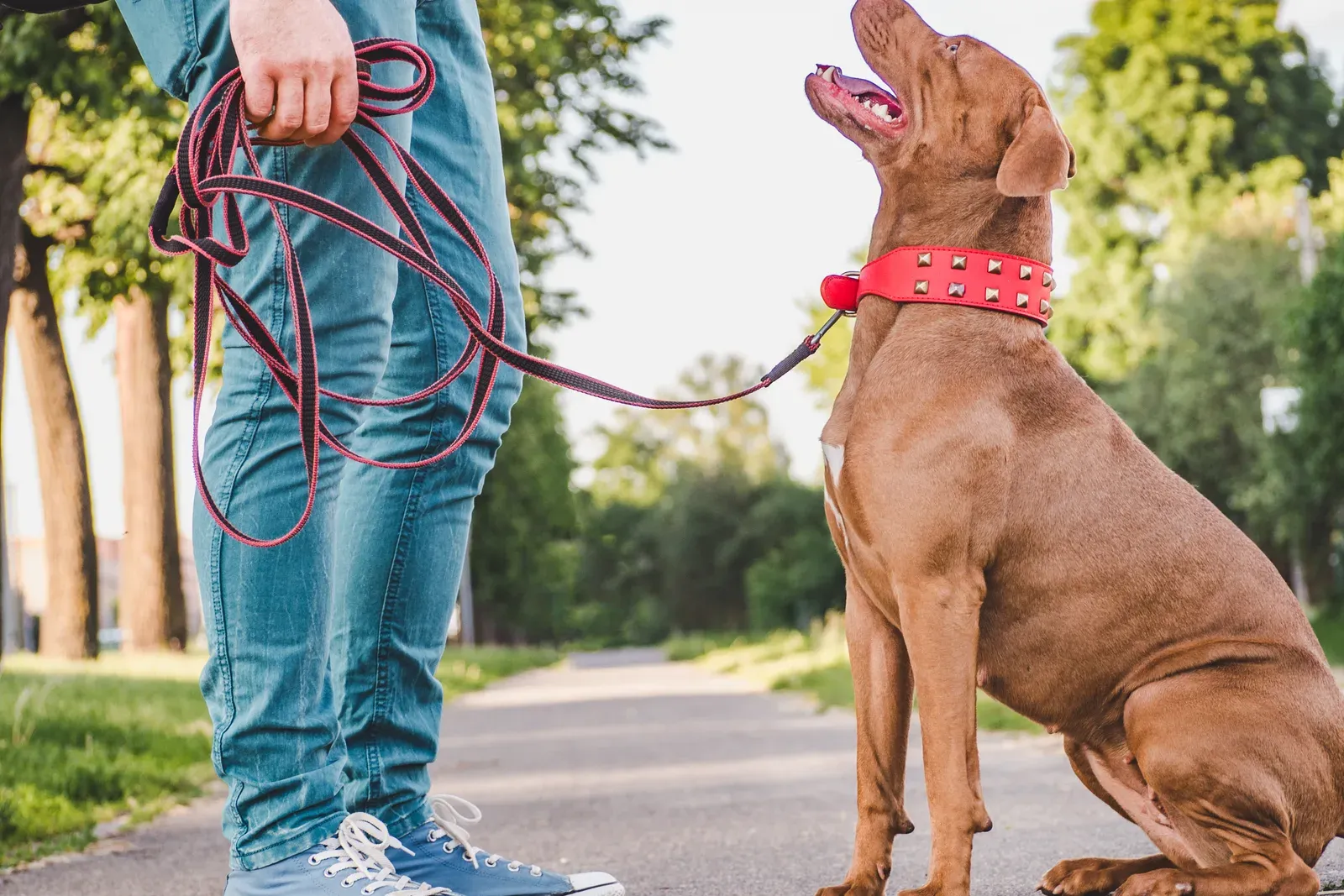
If every walk is a wrestling match, pulling, barking, zig-zagging, this two-week program rebuilds the walk from the ground up with foundational on-leash obedience..
Includes handover lesson, follow-up session, lifetime support, slip lead + collar
S · 5–6 week board & train
Behaviour Rehab
Kaitlin's specialty, and the work she loves most.
Includes assessment-built plan, 2 follow-ups, deep owner education
Asked and answered
The questions people ask us.
What should I do in my rescue dog's first week?
Keep it small and predictable: fixed meals, one quiet walking route, a resting spot nobody touches, and no visitors or dog parks. Let the dog watch household life without being asked to join it. Formal training can wait until eating and sleeping look normal.
Is the 3-3-3 rule real?
It is a rough pattern many adopters notice, not a law of biology. Three days, three weeks, and three months describe common turning points, but individual dogs run early or late. Use it to set your expectations, not to judge your dog's progress.
How do I bond with a rescue dog?
Bonding comes from being predictable, not from being exciting. Hand-feed part of each meal, keep your promises about routine, and let the dog choose the pace of affection. Play and training deepen the relationship once basic trust exists.
When can I start actual obedience training?
Once the dog eats readily, sleeps deeply, and voluntarily checks in with you, short and cheerful sessions can begin. For most rescues that is somewhere between one and three weeks in. Start with name response and easy wins before anything demanding.
Keep reading
Not sure it is settling?
Book a consultation if your rescue's fear is not fading, and we will assess whether rehab or patience is the answer.
From real owners
Rated 5.0 on Google.
Real Northline dogs