
The method
How to train a puppy to be alone
Nobody brings home a puppy planning to leave it, which is exactly how so many dogs reach eight months without ever having spent an hour alone. Then the first real absence lands like an earthquake. Independence is built in small doses from week one, and it is far easier to install early than to repair later. This is the schedule that prevents the panic.
Last reviewed August 26, 2026

Small doses daily
Independence starts with a nap in another room.
From week one, schedule one or two crate naps a day away from you: puppy in the crate with a chew, you elsewhere in the house, door closed. A puppy that only ever sleeps in a lap learns that solitude equals emergency. Layer in short, genuine absences too. Walk to the mailbox. Sit in the car for five minutes. The reps matter more than the length; twenty tiny departures teach more than one long Saturday away.
Kill the ceremony. Long goodbyes, guilty voices and ten kisses at the door teach a puppy that your leaving is a significant event, which is the opposite of the lesson. Pick up your keys, go, and return the same way: no announcement, no party, greet after the wiggling stops. Time the exits for after a meal, a potty trip and a play session, so biology votes for sleep the moment the door clicks.
- Daily crate naps apart
- Short absences from day one
- No dramatic exits or returns
- Leave after food and play
When it breaks
The work-from-home puppy and real distress.
Working from home is quietly producing the least independent generation of dogs we have met. The puppy naps at your feet through every meeting, shadows you to the kitchen, and never experiences a closed door, until the first office day or dinner out detonates. If this is your setup, manufacture the absences your life no longer provides: crate naps in another room during calls, and a real departure every single day, even a pointless one.
Know the difference between complaint and panic. A puppy that grumbles for a few minutes and settles is learning; a dog that drools, shreds door frames, empties its bladder or vocalizes for the entire absence is not being stubborn, it is genuinely distressed. Filming one short absence tells you which one you have. True separation distress needs a structured behaviour plan and sometimes veterinary help, and it sits at the assessment end of our work, not the puppy-manners end.
The programs
The puppy-window programs.
The early weeks only happen once. These are the ways we help you spend them well.
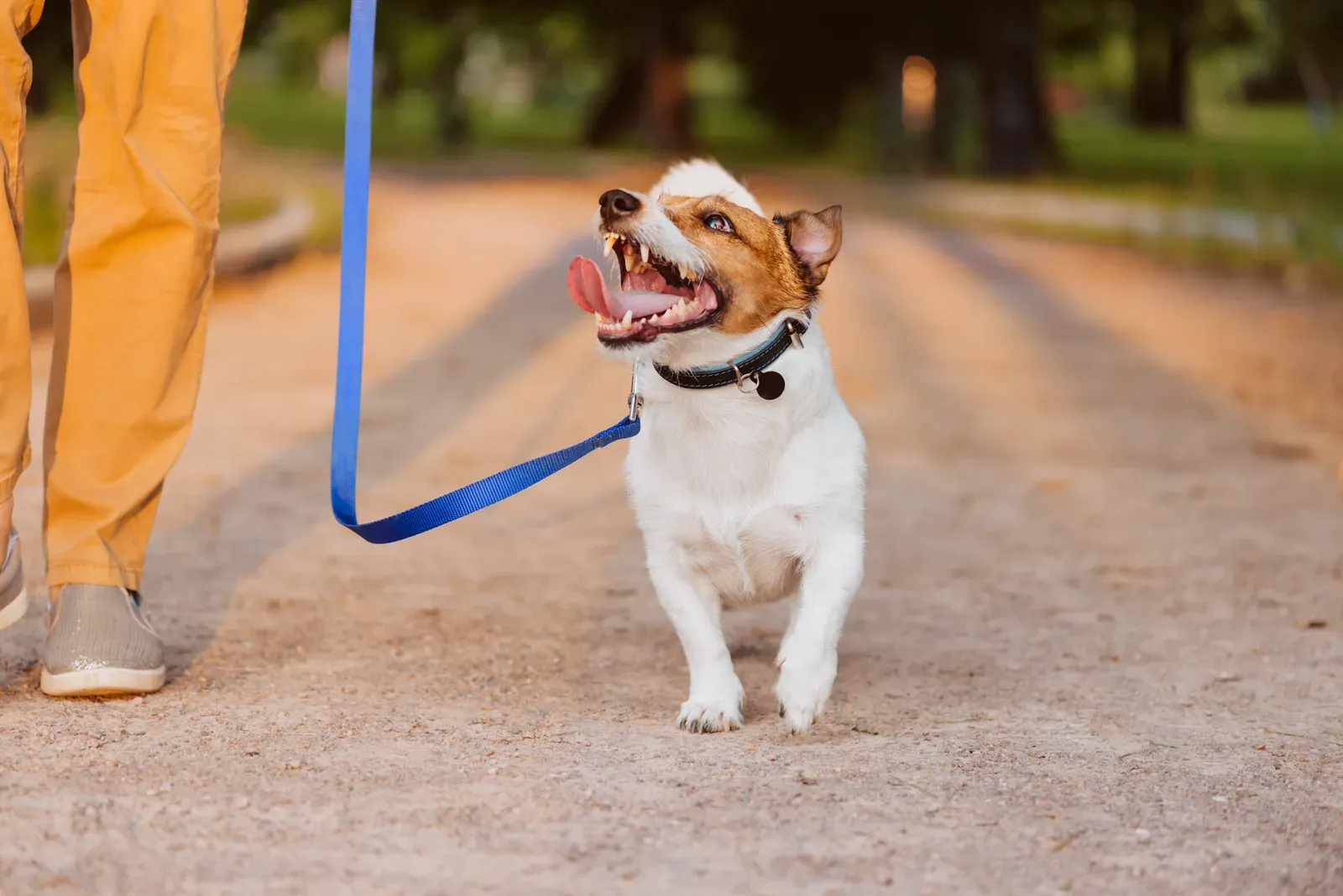
W · One-hour session
Private Training
One-on-one coaching with you on the other end of the leash.
Includes a written weekly plan to work from
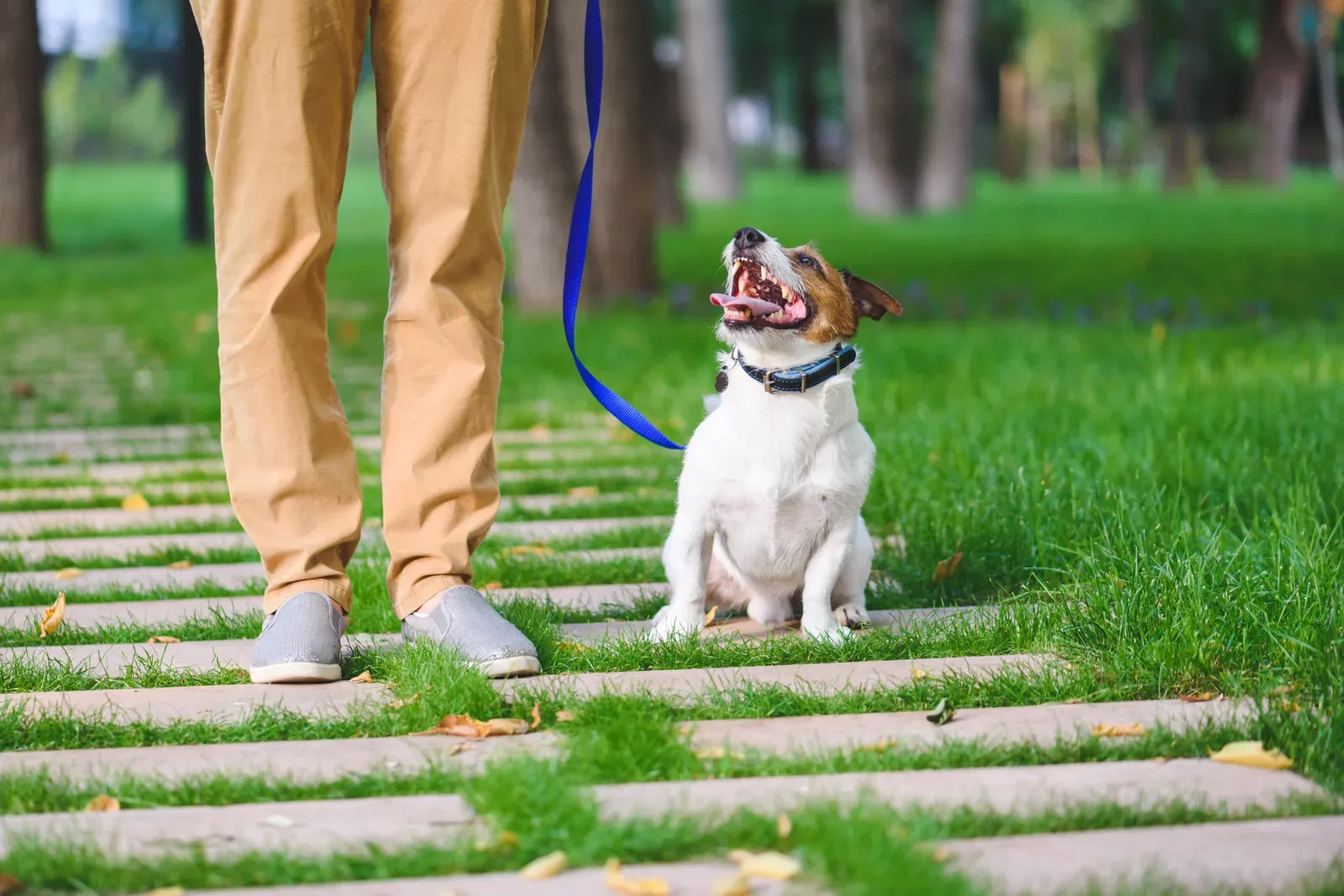
N · 3-week board & train
Puppy Fundamentals
Your puppy's first months decide the habits of a lifetime.
Includes handover lesson, follow-up session, slip lead + collar
Asked and answered
The questions people ask us.
How do I train a puppy to be alone at home?
Build up from minutes, not hours: crate naps in another room daily, short real departures from the first week, and exits that follow food, potty and play. Keep leaving and returning uneventful. A puppy with a hundred small, boring absences behind it treats your work day as a nap.
How do I train a puppy to be alone in the crate?
Make the crate the best real estate in the house first: meals inside, chews inside, naps inside while you are still home. Then close the door for calm moments and leave the room before you ever leave the house. Crate comfort, including overnight, is the first thing our three-week Puppy Fundamentals program installs, at $2,775 plus GST.
How do I train a puppy to not have separation anxiety?
Prevention is mostly scheduling: daily alone time in small doses from the start, no constant velcro access to you, and departures kept boring. Avoid the accidental extremes, a puppy never left, or one abandoned for nine hours in week two. If panic signs appear anyway, drooling, destruction at exits, non-stop vocalizing, get help early rather than waiting for it to fade.
How do I teach my dog it's okay to be alone?
Start below the point of distress, even if that is thirty seconds, and pay calm by returning only after quiet. Stack easy wins daily and stretch the time gradually. For an adult dog with a long rehearsal of panic, this works best inside a structured plan built after an assessment, because winging it usually rehearses more panic.
Keep reading
Can't leave the house?
Whether it is prevention or repair, we will build an alone-time plan for your real schedule. Book a consultation.
From real owners
Rated 5.0 on Google.
Real Northline dogs