The method
How to train a puppy recall
Puppies come to you for free in the first few weeks. They are small, the world is big, and you are the safest thing in it. That window closes, so the job is to turn a reflex into a habit before adolescence tests it. This guide covers the games that build the habit, how to pay for it, and when the long line comes out.
Last reviewed August 26, 2026
Week one games
Start the games before the puppy learns it has a choice.
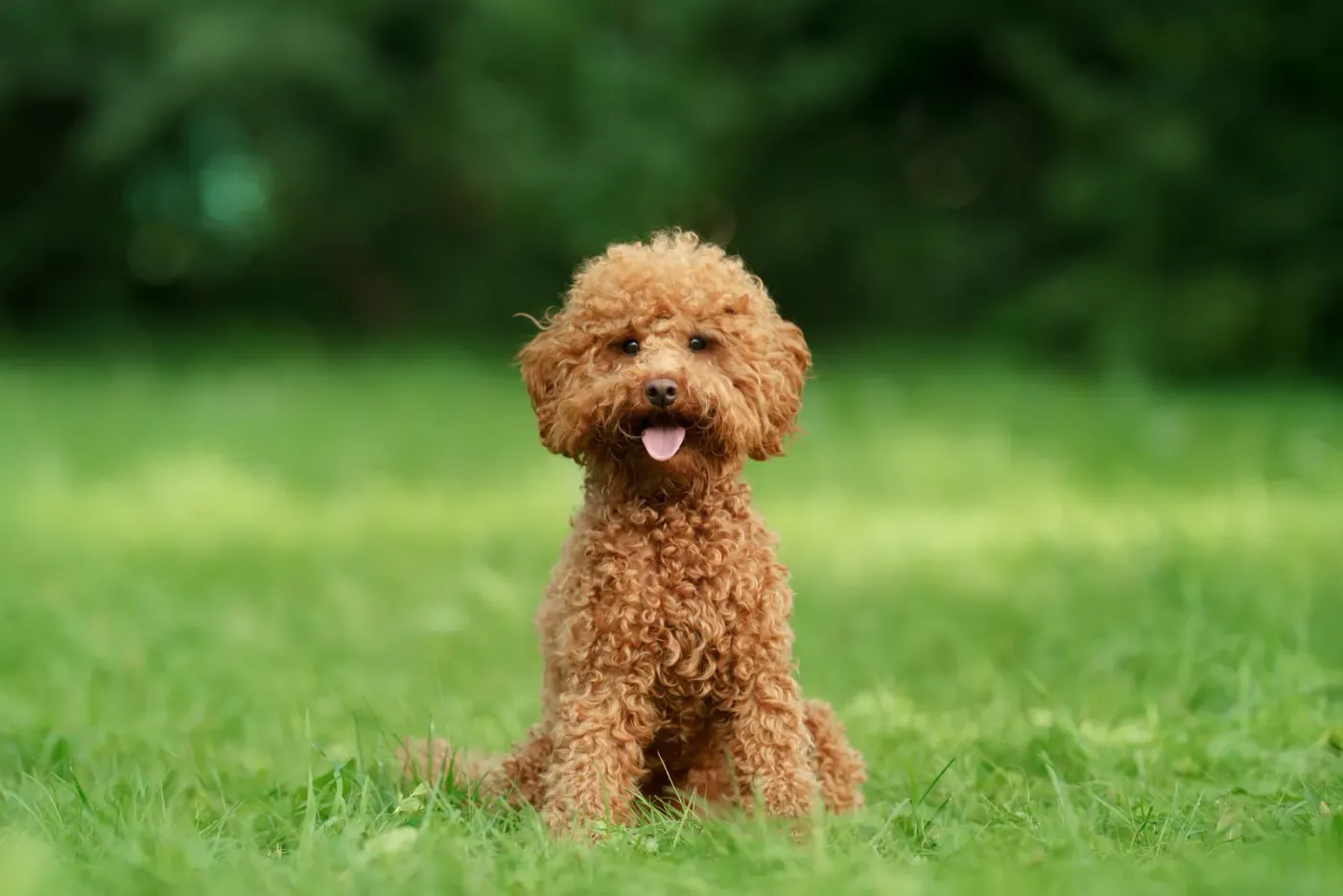
Say the puppy's name once in a bright voice, then turn and jog a few steps away. The puppy chases, and that chase is the recall. When it catches you, feed five or six small pieces in a row while a hand rests on the collar. Play it in the kitchen, down the hallway, out in the yard. Two people can trade the puppy back and forth across a room. Keep each round under two minutes and stop while the puppy still wants more.
Pay every recall for months, with food the puppy actually rates, not the kibble it gets in a bowl anyway. Never call it for a bath, a nail trim or the end of a game; walk over and collect it instead. Around four months, clip on a long line in a quiet field and let the puppy drift, then call. If the line ever has to do the work, the game at home needs more reps. The line is insurance, not a leash.
- Say the name once, then run
- Five or six pieces on arrival
- Never call for anything unpleasant
- Long line from four months
The teenage months
Adolescence tests every recall you thought you had.
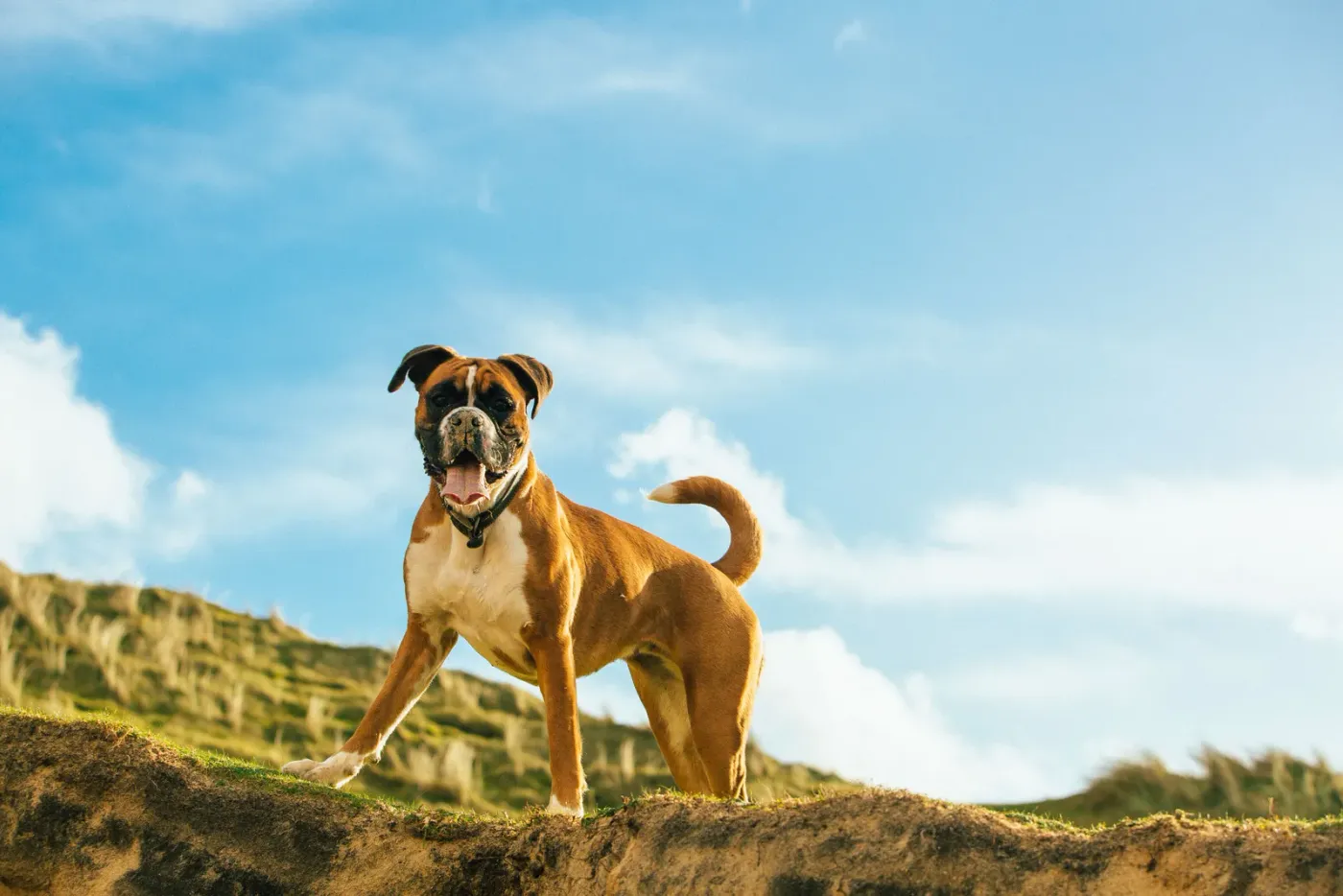
Somewhere in the second half of the first year, the puppy that came flying starts to pause and weigh a rabbit against you. That is normal, and it is not disobedience so much as new priorities. Go back a step: long line on, distances shorter, pay higher, and practise in busier places on purpose. Recall past a squirrel is a different skill from recall down a hallway, and it has to be built in the presence of squirrels.
This is the stage our Functional Off-Leash program is built for: three weeks of board and train at $3,030 + GST, focused on reliable recall around real distractions, with an Educator remote collar included and taught to you properly at handover. For a younger puppy, Puppy Fundamentals at $2,775 + GST lays the name and foundation first, and we will recommend that smaller step when it is the right one. Every program is one-on-one, with follow-up sessions after the dog comes home.
The programs
The road to reliable freedom.
Recall is built in layers. These programs ladder from foundations to full off-leash.
E · 3-week board & train
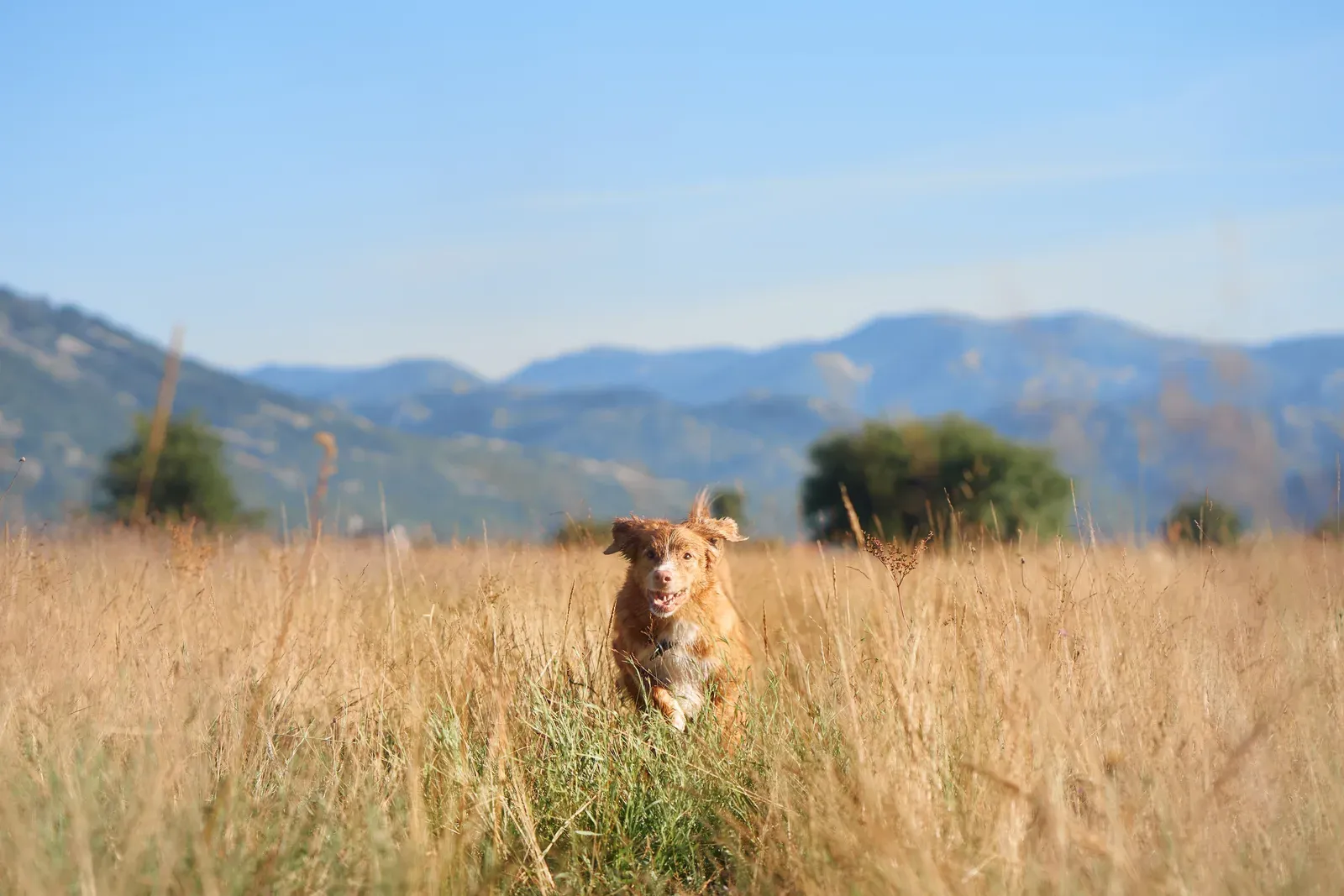
Functional Off-Leash
Everything in the on-leash program, then the next level: reliable off-leash recall even around distractions.
Includes handover lesson, follow-ups, Educator remote collar
SE · 4-week board & train
Advanced Off-Leash
The full four-week build: from functional foundations to advanced reliability in public environments and around higher-level distractions.
Includes handover lesson, 2 follow-ups, Educator remote collar
Asked and answered
The questions people ask us.
How do you train recall with a puppy?
Start on day one with the name-and-run: say the name, jog away, feed generously when the puppy catches you. Play it in short bursts around the house and yard, and never call the puppy for something it dislikes. Add a long line around four months so it cannot practise ignoring you outdoors.
How do you train a puppy to come when called?
Pair the word with a chase and a jackpot of food, every time, for months. Practise in easy places first, then add distance and distraction one at a time. Coming when called is a habit long before it is obedience.
How do you train a puppy to come to you when called outside?
Use a long line so the puppy cannot reward itself by running off. Call when it is already drifting your way, pay well, then release it back to sniffing so coming does not always end the fun. Build up to busier places slowly.
How do you train a puppy to recall once it starts ignoring you?
Treat adolescence as a return to basics, not a failure: long line back on, shorter distances, better pay, more reps in busy places. If the dog is past the puppy stage and the recall has never held around distractions, Functional Off-Leash is the program built for exactly that.
Keep reading
Recall that survives adolescence
Tell us your puppy's age and what it ignores. Book a consultation and we will map the next step together.
From real owners
Rated 5.0 on Google.
Real Northline dogs