
The method
How to train a dog to settle on a mat
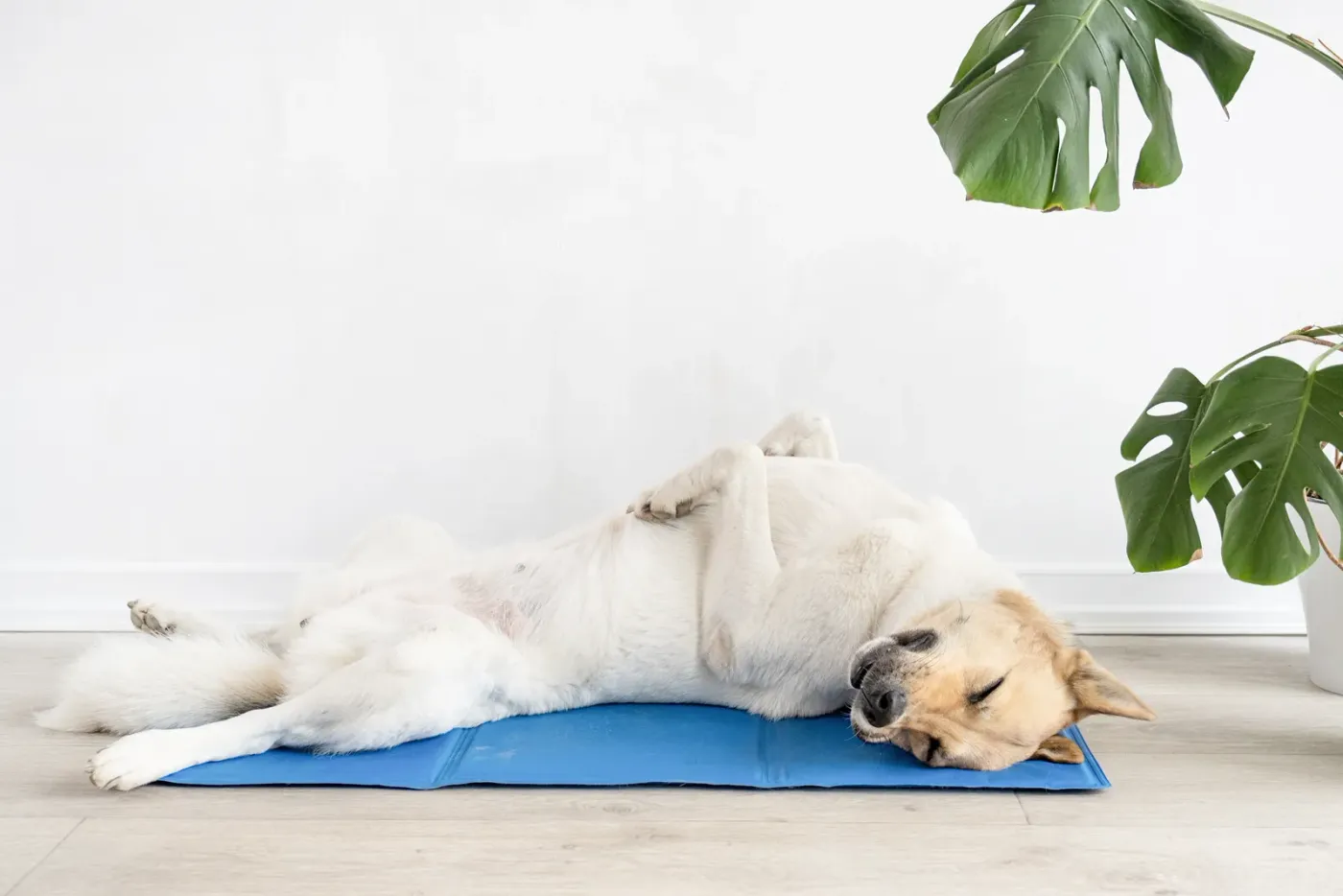
A mat is an off-switch you can carry. Trained properly, it tells the dog that this square of fabric means lie down, stay down, and let the world happen without you. It works at the dinner table, when guests arrive, and beside a patio chair in July. The teaching order matters more than the mat itself, so here it is in four stages.
Last reviewed August 26, 2026
Four stages
Start with the down and pay for staying on it.
Drop the mat and say nothing. Mark and treat one paw on it, then two, then all four, always delivering the food on the mat so the mat becomes the good place. Once the dog is parking itself there, wait. A down usually appears within a minute when nothing else is paying. Mark it, and from then on only the down earns food. Feed a few treats between the front paws, then release with a clear word and toss one off the mat.
Duration comes next: count to five before the treat, then ten, then thirty, sitting beside the dog and doing nothing interesting. Distraction is the third stage, and it starts small. Stand up. Take one step. Drop a spoon. Open the fridge. Knock on the wall. Each time the dog stays flat, go back and pay. Real life is the final stage: put the mat by the table during dinner, by the door when a friend visits, and under a café chair on a quiet weekday.
- Feed between the front paws
- Seconds before minutes
- Dropped spoon, opened fridge
- Dinner table before patio
Patio season
Patio season is a test, not a training session.
Calgary's patio weeks arrive fast and leave faster, and every summer brings the same scene: a dog under a table for the first time, surrounded by strangers, dropped fries and other dogs, while the owner apologizes to the server. That is stage four with stages one to three skipped. Do the boring work in your kitchen first. Then pick a patio's quietest edge, a weekday, a short visit, and bring the mat the dog already trusts. Leave before the dog fails, not after.
Anxious dogs need the mat most and find it hardest. For them the mat is not about obedience, it is about one predictable place where nothing is asked and good things arrive. Keep sessions short, feed calmly, and never use the mat as a time-out. If the dog cannot lie still in a quiet room at home, skip patios this year. Anxiety that runs deeper than a mat can reach is what Behaviour Rehab exists for, and it starts with an assessment.

The programs
When teaching it yourself stalls.
The guide above is the real method. These are the faster routes.
W · One-hour session
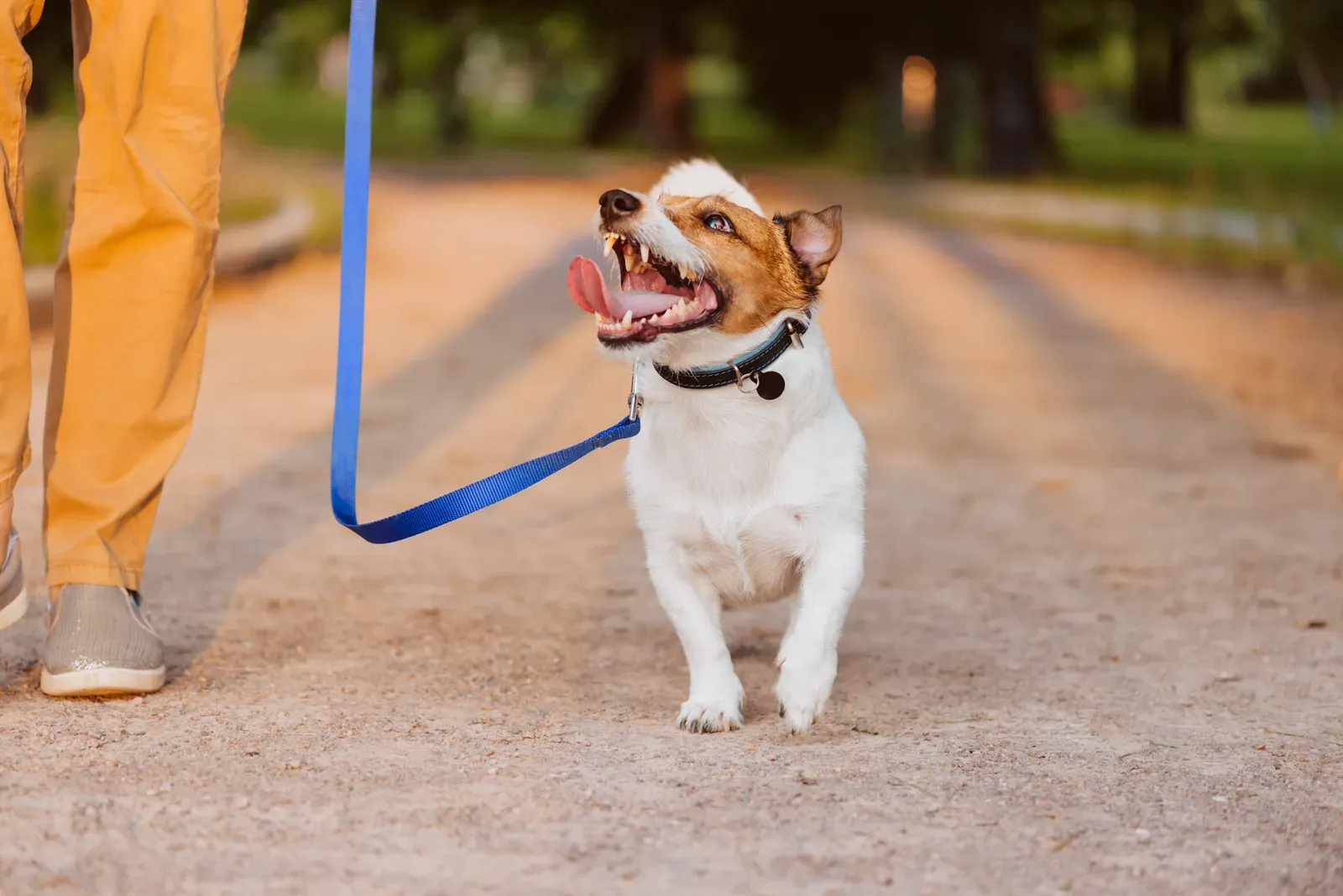
Private Training
One-on-one coaching with you on the other end of the leash.
Includes a written weekly plan to work from
NE · 2-week board & train
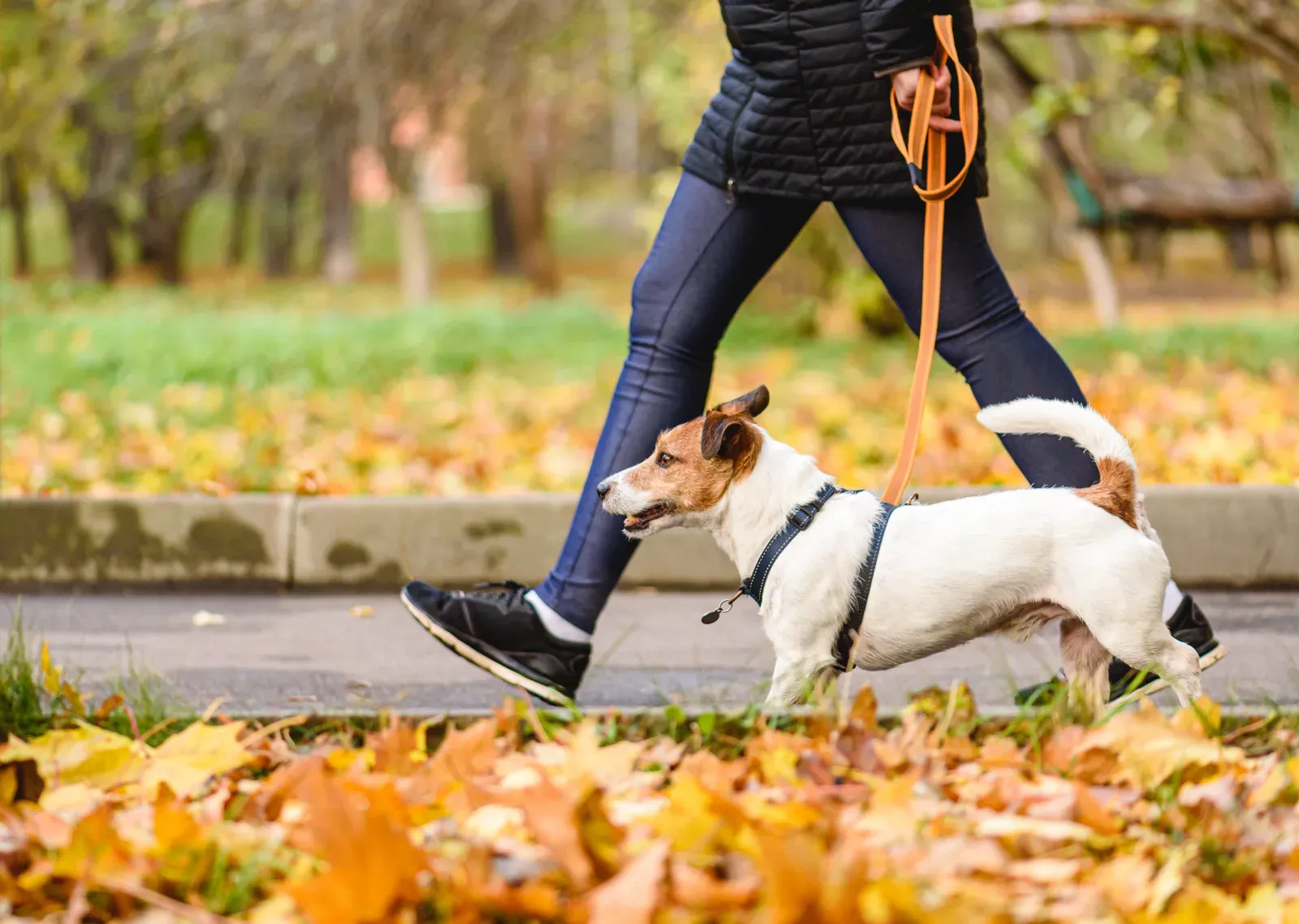
On-Leash Foundations
If every walk is a wrestling match, pulling, barking, zig-zagging, this two-week program rebuilds the walk from the ground up with foundational on-leash obedience..
Includes handover lesson, follow-up session, lifetime support, slip lead + collar
Asked and answered
The questions people ask us.
How do you teach a dog to be calm?
Calm is a skill you reward, not a mood you wait for. Mat work gives the dog a specific thing to do with its body, and paying for stillness in small doses teaches the dog that doing nothing is worth something. Start with seconds and grow from there.
How do you teach a dog patience?
Build duration on the mat one count at a time and release before the dog breaks, so waiting always ends well. If the dog gets up early, no scolding, just reset and shorten the next one. Patience is duration with a good history behind it.
How do you teach a puppy to relax?
Puppies relax when they are tired enough and the environment is boring enough. Do mat work right after a walk or play session, feed slow treats between the paws, and keep the room quiet. Two minutes of real stillness beats twenty minutes of wriggling.
How do I get my dog to relax in his crate?
Treat the crate like a mat with walls: reward going in, reward lying down, and build duration with the door open before you ever close it. Feed meals in there and skip the dramatic goodbyes. A dog who settles on a mat in the living room usually transfers that to the crate quickly.
Keep reading
Need the off-switch installed?
Place and settle work sits inside Puppy Fundamentals and On-Leash Foundations. Book a consultation and tell us where the dog struggles.
From real owners
Rated 5.0 on Google.
Real Northline dogs