
The method
How to train a dog to be calm in the house
Some dogs walk in the door and switch off. Yours paces, chews, barks at the window and orbits the kitchen like a satellite. The difference is rarely exercise; it is that nobody ever taught the dog what to do with nothing. Settling is a skill you can capture, shape and pay for, and a house with structure makes it stick.
Last reviewed August 26, 2026
Training calm
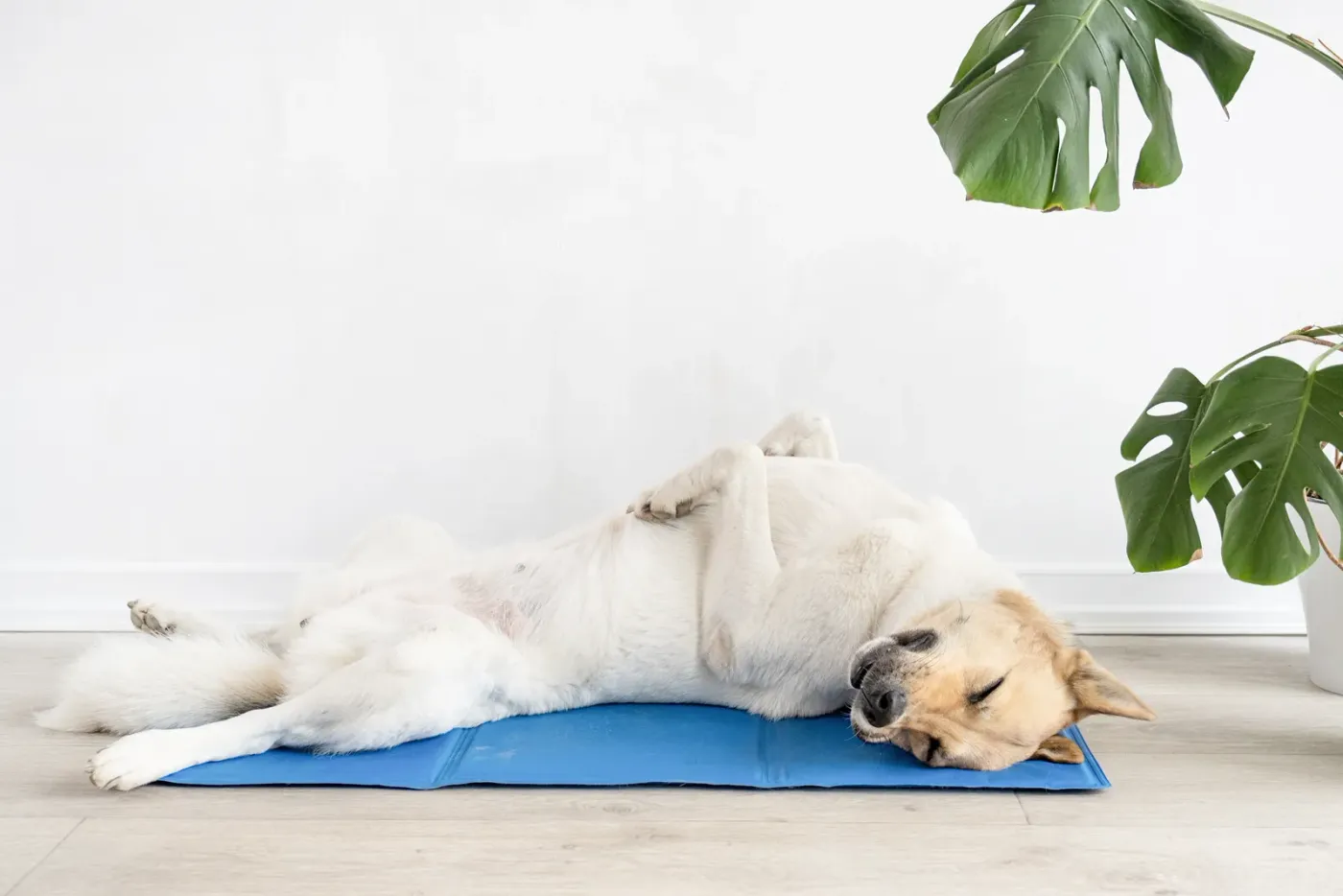
Capture settling and make rest part of the schedule.
Catch your dog being boring. When it sighs onto its bed unprompted, drop a treat between its paws without a word. That is capturing, and it teaches the dog that stillness pays. Layer in place work: send the dog to a mat or cot, reward duration, and slowly add the things that usually launch it off, doorbells, dropped food, people standing up. Marker training keeps the picture clear even for a busy adolescent.
Then protect the rest itself. Adult dogs need far more sleep than most households allow, and an overtired dog looks exactly like a naughty one. Use a crate or a quiet room for scheduled naps, feed meals at consistent times, and move the arousing games, tug, fetch, wrestling, outside where they belong. Indoors, swap them for sniffing games, chews and food puzzles that drain the brain without lighting it up.
- Capture quiet, pay instantly
- Place work with duration
- Scheduled naps in a crate
- High-arousal games go outside
Winter reset
Cabin fever season, and what a weekday reset does.
Calgary winters test every one of these habits. When it is minus twenty for a week, walks shrink, the dog's outlets vanish, and by Thursday the living room has become a racetrack. This is when indoor structure earns its keep: more place work, more food puzzles, short training bursts between meetings, and a firm nap schedule. A chinook is not a training plan. Build the indoor routine before January forces the issue.
If the wheels have already come off, a weekday reset helps. Our day training runs Monday to Friday at $650 per week plus GST: drop off between 8 and 10 am, pick up between 5 and 7 pm, and your dog spends the day working one-on-one, resting on a schedule and practising calm as a skill. The weekly one-hour go-home lesson hands the routine to you, so the calm survives the weekend.
The programs
When teaching it yourself stalls.
The guide above is the real method. These are the faster routes.
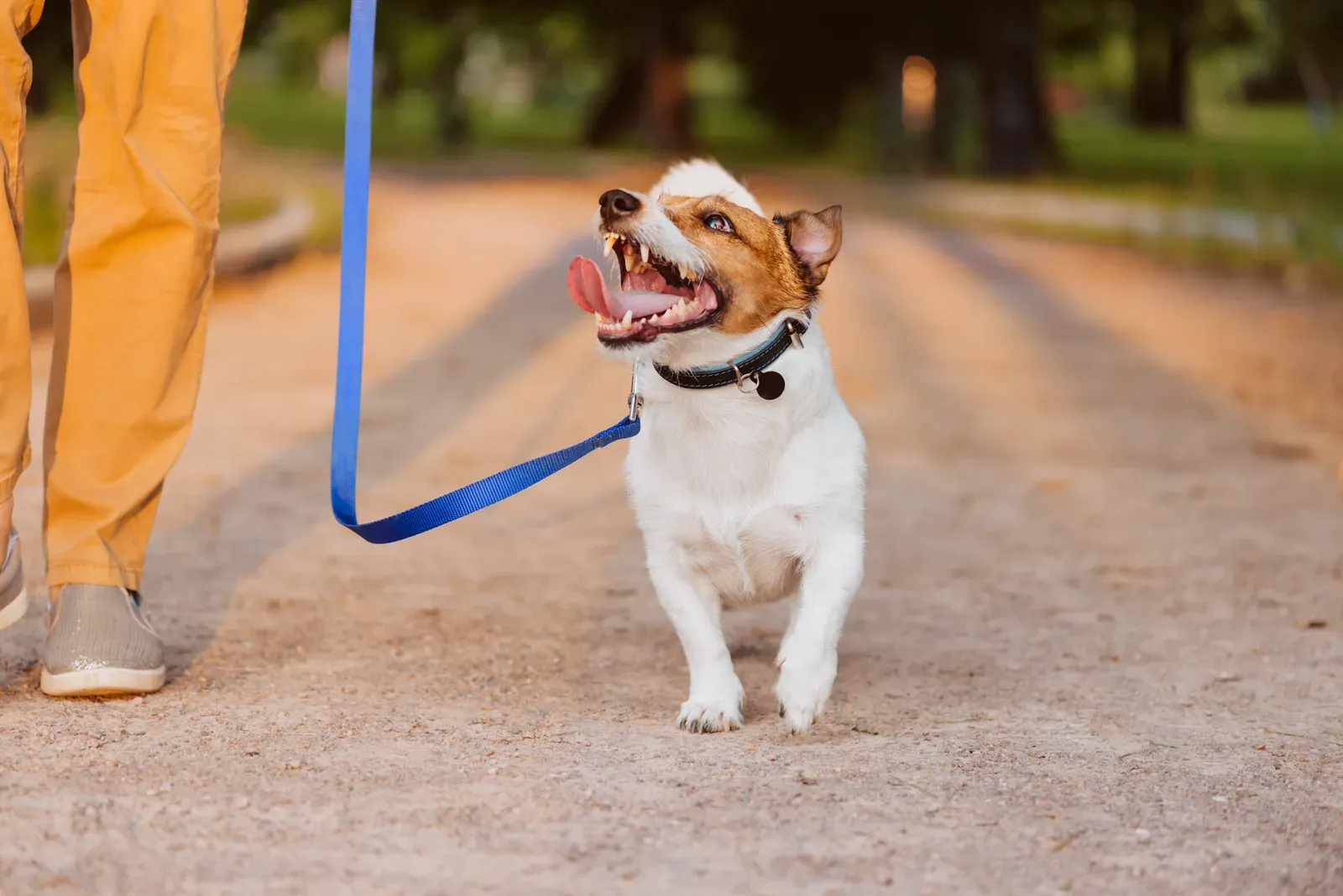
W · One-hour session
Private Training
One-on-one coaching with you on the other end of the leash.
Includes a written weekly plan to work from
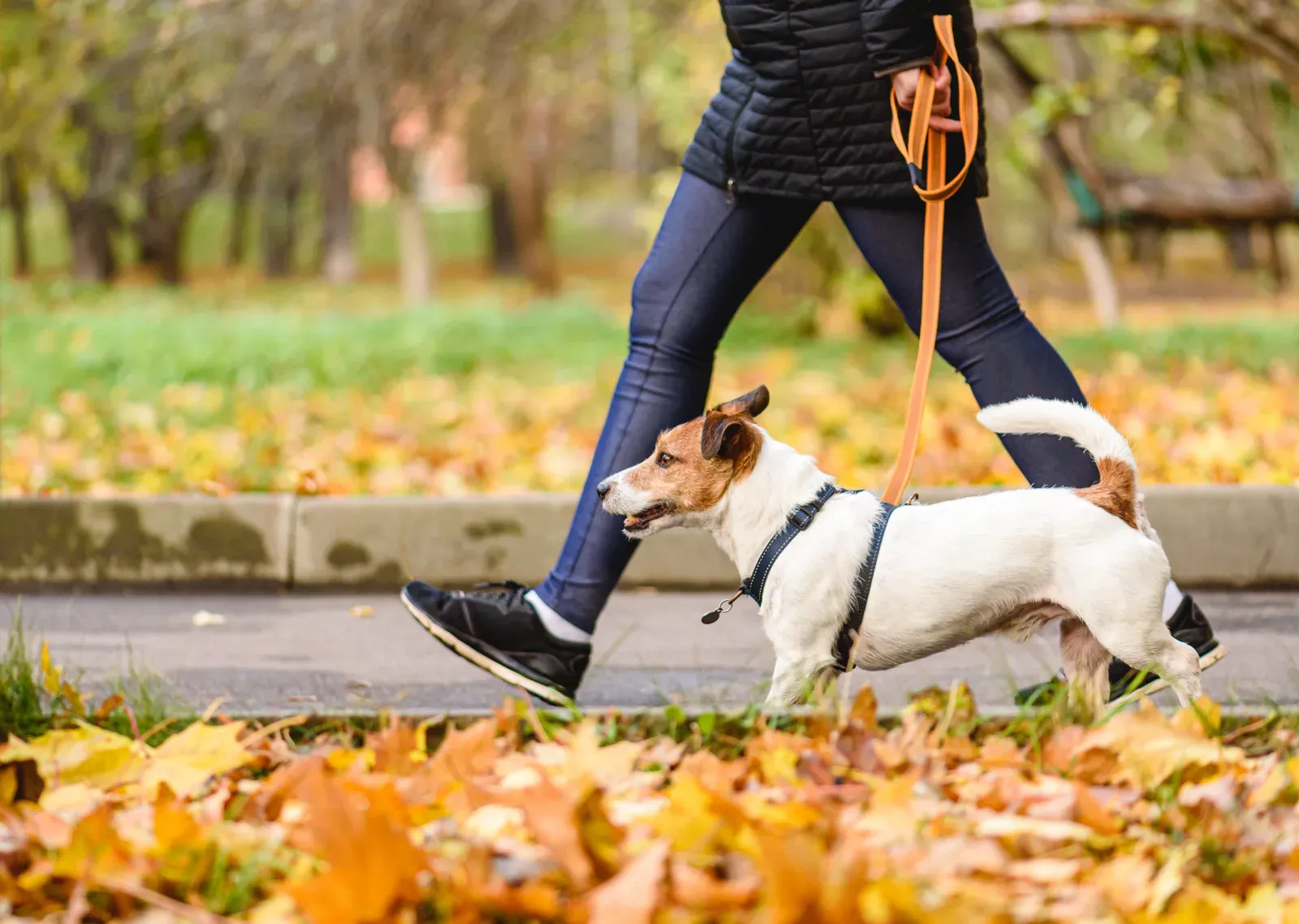
NE · 2-week board & train
On-Leash Foundations
If every walk is a wrestling match, pulling, barking, zig-zagging, this two-week program rebuilds the walk from the ground up with foundational on-leash obedience..
Includes handover lesson, follow-up session, lifetime support, slip lead + collar
Asked and answered
The questions people ask us.
How do I train my dog to be calm?
Reward stillness the moment it appears, build a place command with real duration, and schedule naps so the dog is not running on fumes. Keep high-arousal games outside. Calm is a habit you install, and it usually shows within a few weeks of consistent structure.
How do I train my dog to behave in the house?
Decide what the house rules are first: where the dog rests, which furniture is allowed, what happens at the door. Then manage with gates and a leash while you teach each rule separately. Dogs behave indoors when the expectations are consistent, not when they are guessed at.
How do I train a puppy to behave inside?
Puppies need management more than obedience: a crate, a pen, and nothing valuable at floor level. Reward every calm moment and keep sessions tiny. Our Puppy Fundamentals program, a 3-week board and train at $2,775 plus GST, builds crate comfort, name response and settling from the start.
How do I teach my dog an inside voice?
You cannot really teach volume, but you can teach quiet. Interrupt barking calmly, pay the silence that follows, and remove the rehearsal by covering windows or moving the dog off patrol duty. A well-exercised, well-rested dog has far less to announce.
Keep reading
Tired of the indoor zoomies?
One-on-one training that makes settling a habit, at home and on a schedule. Book a consultation.
From real owners
Rated 5.0 on Google.
Real Northline dogs