Manners & obedience
How to teach a dog touch (hand target)
Touch is a small cue with a long reach. We hold out an empty palm, the dog chooses to bump it, the marker fires and the reward arrives from the other hand. Once the cue is solid, the palm can guide the dog without grabbing a collar: off the couch, into the car, back to our side. It is built on voluntary contact, so the dog's comfort sets the pace, not a schedule.
Last reviewed September 29, 2026
Nose to palm
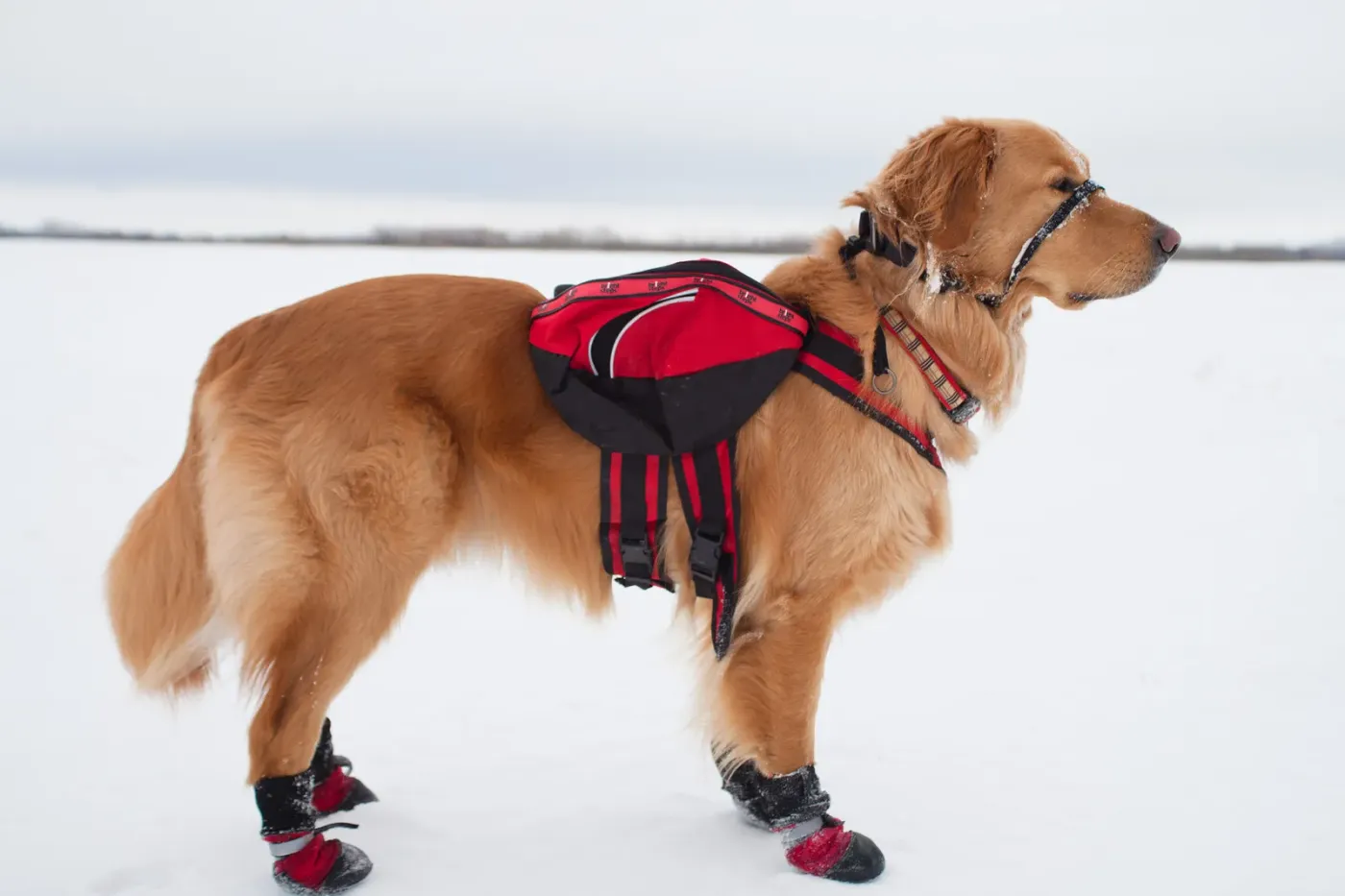
We mark voluntary contact and pay from the other hand.
We start with an empty palm held sideways a short distance from the dog's nose, in a quiet room where the dog can move away. Many dogs lean in to sniff, and the moment the nose meets skin we mark and pay with a treat from the other hand, never from the palm. If the dog only glances at the hand or leans slightly, we mark that instead. Contact is the dog's decision, so the palm stays still.
When the dog is reaching for the palm on its own, consistently, we add the word: say touch, present the hand, mark the contact, pay. Then the hand starts to travel: lower so the dog dips, higher so the head lifts, a half step away so the dog walks to it. The presented palm stays the target throughout. If the dog stops reaching, backs off or turns away, we stop rather than bringing the hand closer, and make the next rep easier.
- We keep the target palm empty
- We mark contact the dog chooses
- Word added once contact is consistent
- We never move the hand closer
Putting it to work
Where the cue helps, and where it should not be pushed.
For a worried dog, touch can be a familiar job practised somewhere calm, away from whatever the dog finds hard. We never use the palm to coax a nervous dog closer to a person it is unsure of, and the dog is free to retreat. Fear around people needs a qualified behaviour professional, not a trick. For vet visits, we suggest asking the clinic about a handling plan: a trained target is not consent to an examination, and practice stops if the dog withdraws.
For recall, touch makes a clean finish: the dog comes in, bumps the hand and is paid at our knee. Two habits stall the cue. The first is chasing: the dog hesitates, the hand drifts toward the nose, and the dog can learn that waiting brings the palm closer. We keep the hand where we presented it and let the dog decide. The second is food hidden in the target hand, which turns a touch into a lure. Empty palm, every time.
Asked and answered
The questions people ask us.
How do you teach a dog touch?
We hold an empty palm still near the nose, mark the moment the dog chooses to bump it, and pay from the other hand. The word is added only once contact is consistent, and then the hand moves to new positions. If the dog avoids the hand, we stop and make the next rep easier.
What is hand target training for a dog?
Hand targeting teaches a dog to press its nose to an open palm on cue. We use it as a gentle way to reposition a dog, off the furniture or into the car, without reaching for the collar.
How do you teach a dog to touch your hand if it ignores the hand?
We mark the smallest voluntary movement toward the palm, a glance or a slight lean, and pay for that. We keep sessions short and end while the dog is still interested. A dog that moves away from hands altogether is a reason to involve a qualified behaviour professional before practising further.
Can touch replace a recall?
Touch works as the last metre of a recall rather than a replacement for one. The dog comes on the recall word, then finishes with a bump to the hand, which keeps the dog close and puts the collar within easy reach.
Keep reading
Build the cue with us.
Touch is marker-and-reward work, like every skill we teach. Book a consultation and we will show how it carries outdoors.
From real owners
Rated 5.0 on Google.
Real Northline dogs