
The method
How to teach a dog to stay
Most stays fail because they were never really taught, just hoped for. The dog sat, you backed away waving a palm, and it held until a squirrel voted otherwise. A durable stay is built like scaffolding: one difficulty raised at a time, in the right order, with a release word marking the only sanctioned exit. Here is that order, start to finish.
The three Ds
Seconds before steps, steps before squirrels.
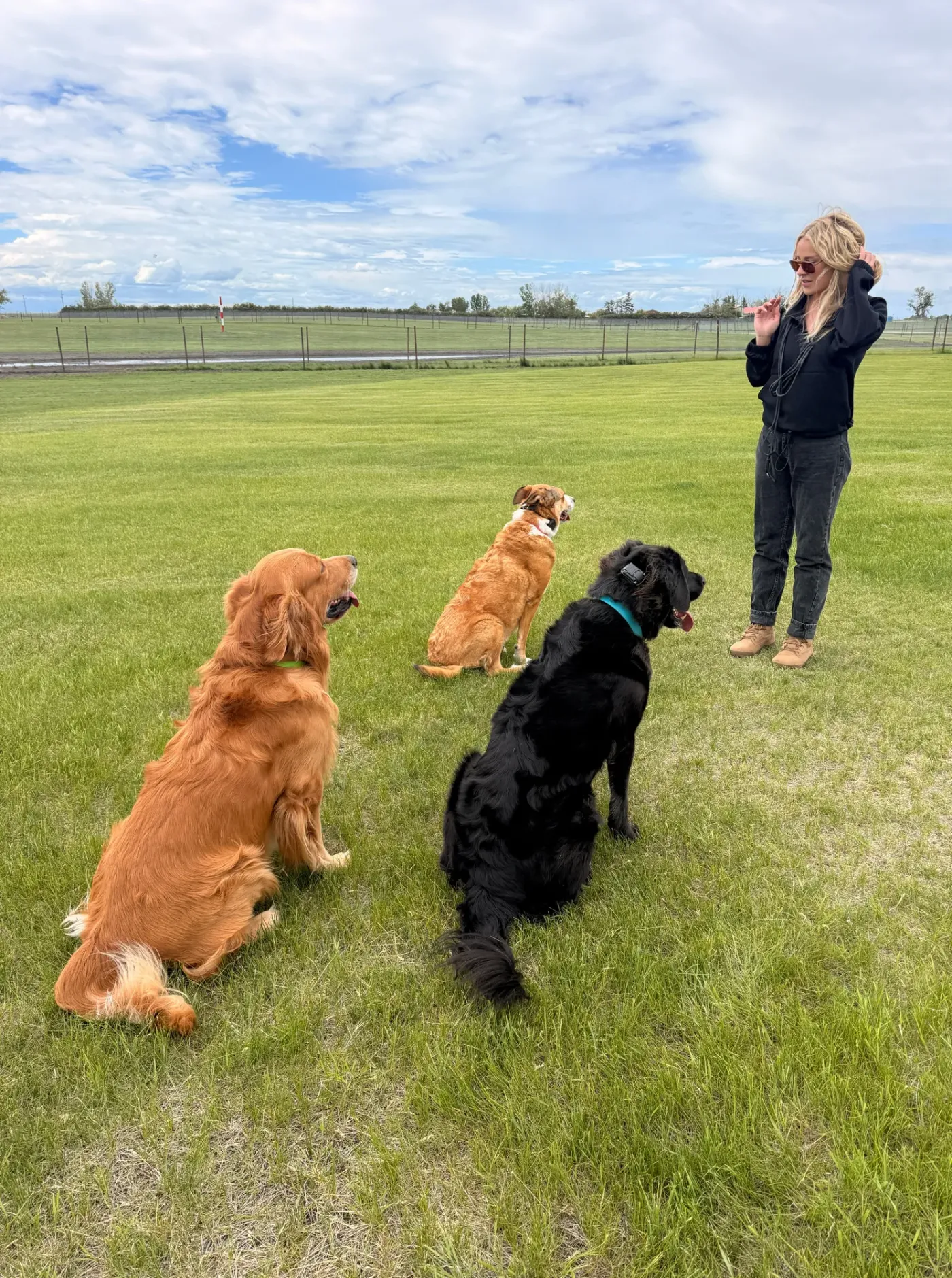
Start with duration only, standing on the leash beside your dog. Ask for a sit, count two seconds, pay, then say your release word and encourage movement. Stretch two seconds to five, five to fifteen, feeding occasionally during the stay so staying itself earns. The release word is the actual skill: your dog learns the position pays until a specific sound ends it, and that sound never comes from a squirrel.
Add distance only after a solid minute is easy, and drop the duration when you do: one step back, return, pay. Raising two difficulties at once is how stays break, so trade them off deliberately. Distraction comes last and starts small: a bouncing ball at a distance, a family member walking past, a treat placed on the floor. If your dog breaks, the level was too high. Reset closer and cheaper, without drama.
- Teach the release word first
- Raise one difficulty at a time
- Pay during the stay
- Return before your dog breaks
Real-world stays
The walk-around test and the open door.
There are two kinds of stay, and it helps to pick one on purpose. An implied stay means sit lasts until released, no extra word needed, and it builds the strongest habits because there is nothing to forget to say. A commanded stay adds the word as its own cue. Either works. What does not work is mixing them, releasing sometimes, drifting off other times, and letting the dog average out the rules.
Test with the walk-around: circle your dog slowly while it holds position. Passing behind is where most stays wobble, because losing sight of you is genuinely hard. From there, build the useful versions: a stay while the front door opens, a stay at distance across the yard, a stay while groceries come in. Every board and train we run drills these against real life, then teaches you to keep it at the handover lesson.
The programs
When teaching it yourself stalls.
The guide above is the real method. These are the faster routes.
NE · 2-week board & train
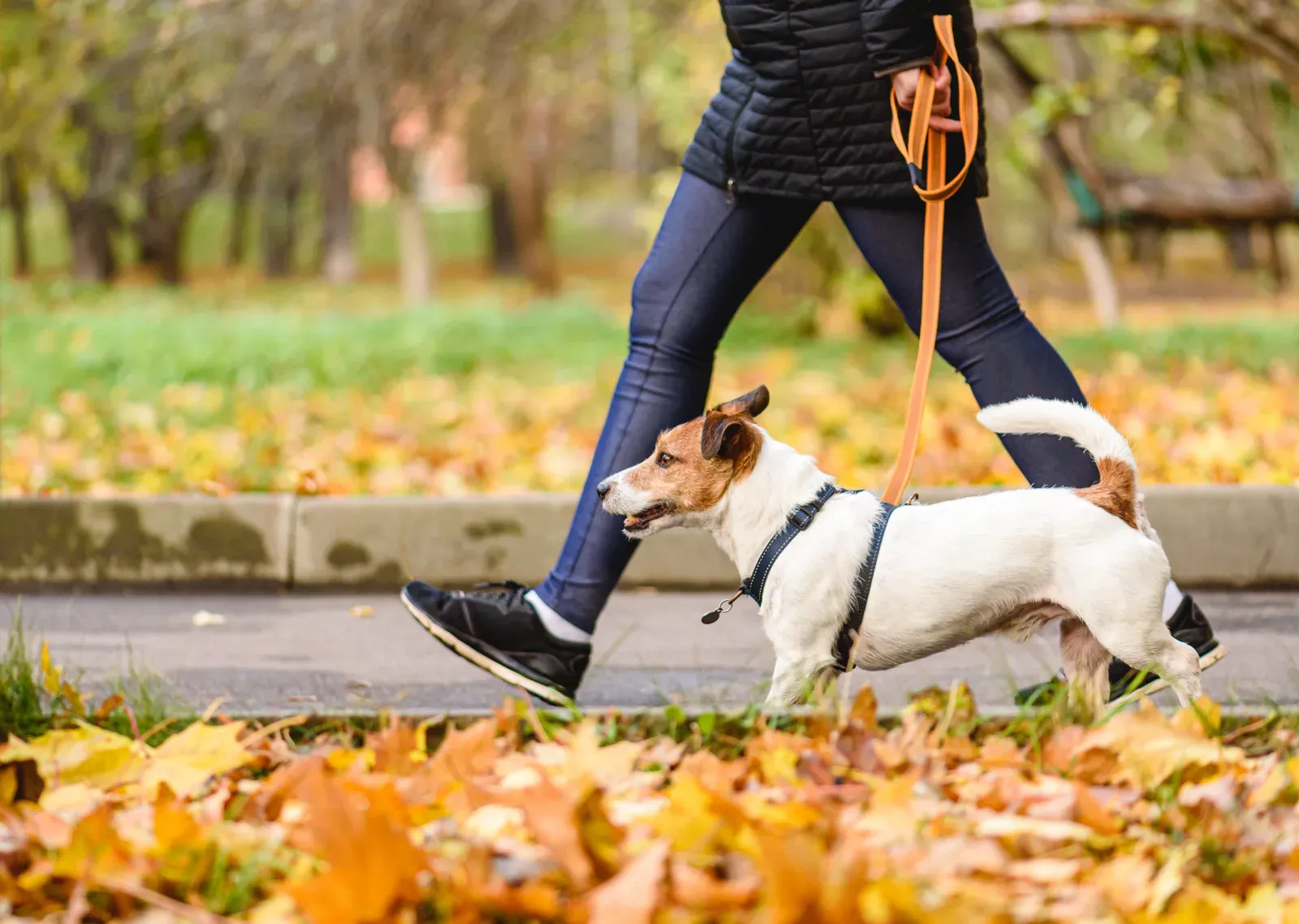
On-Leash Foundations
If every walk is a wrestling match, pulling, barking, zig-zagging, this two-week program rebuilds the walk from the ground up with foundational on-leash obedience..
Includes handover lesson, follow-up session, lifetime support, slip lead + collar
SE · 4-week board & train
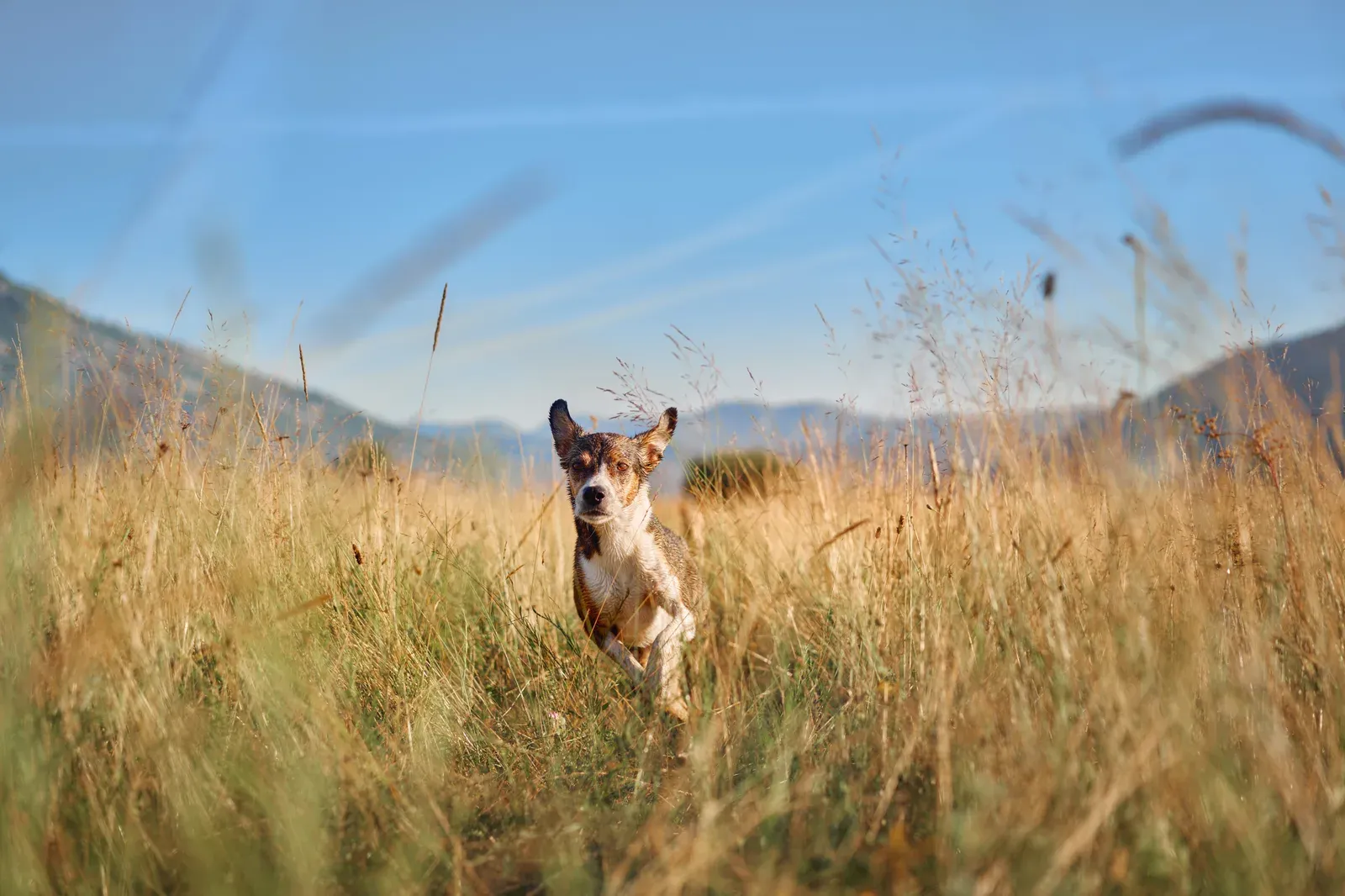
Advanced Off-Leash
The full four-week build: from functional foundations to advanced reliability in public environments and around higher-level distractions.
Includes handover lesson, 2 follow-ups, Educator remote collar
Asked and answered
The questions people ask us.
How do I teach my dog to stay with distractions?
Shrink the distraction until your dog can win. Start with something mild at a distance, pay heavily for holding, and close the gap over sessions. If you jump straight to dog-park level, you are testing, not training.
Why does my dog keep breaking the stay?
Usually because two difficulties went up at once, or because the release word is fuzzy. Drop back to a version your dog can hold, pay during the stay rather than only after, and make the release unmistakable. Breaking is information, not defiance.
Should I teach sit and stay together or separately?
Teach sit first, then build staying as what sit means. Whether you add a separate stay word or treat sit as lasting until released, the sequence is the same: duration, then distance, then distraction, one at a time.
How long should a dog hold a stay?
As long as the job needs, which is usually under a couple of minutes: a door greeting, a food bowl going down, a photo. Long dramatic stays are for show. Reliable short ones under distraction are what everyday life actually uses.
Keep reading
Want a stay that holds?
Sit, down, place, and stay are core skills in our board and train programs. Book a consultation.
From real owners
Rated 5.0 on Google.
Real Northline dogs