
The method
How to teach a dog to focus on you
A dog that looks at you is a dog you can talk to. Everything else, from loose-leash walking to a recall past a squirrel, sits on top of that one skill. Most owners wait for attention to happen. It can be built like a sit instead, with a marker, a reward and a plan for making it harder. Here is that plan, indoors first, then out on the pathway.
Last reviewed August 26, 2026
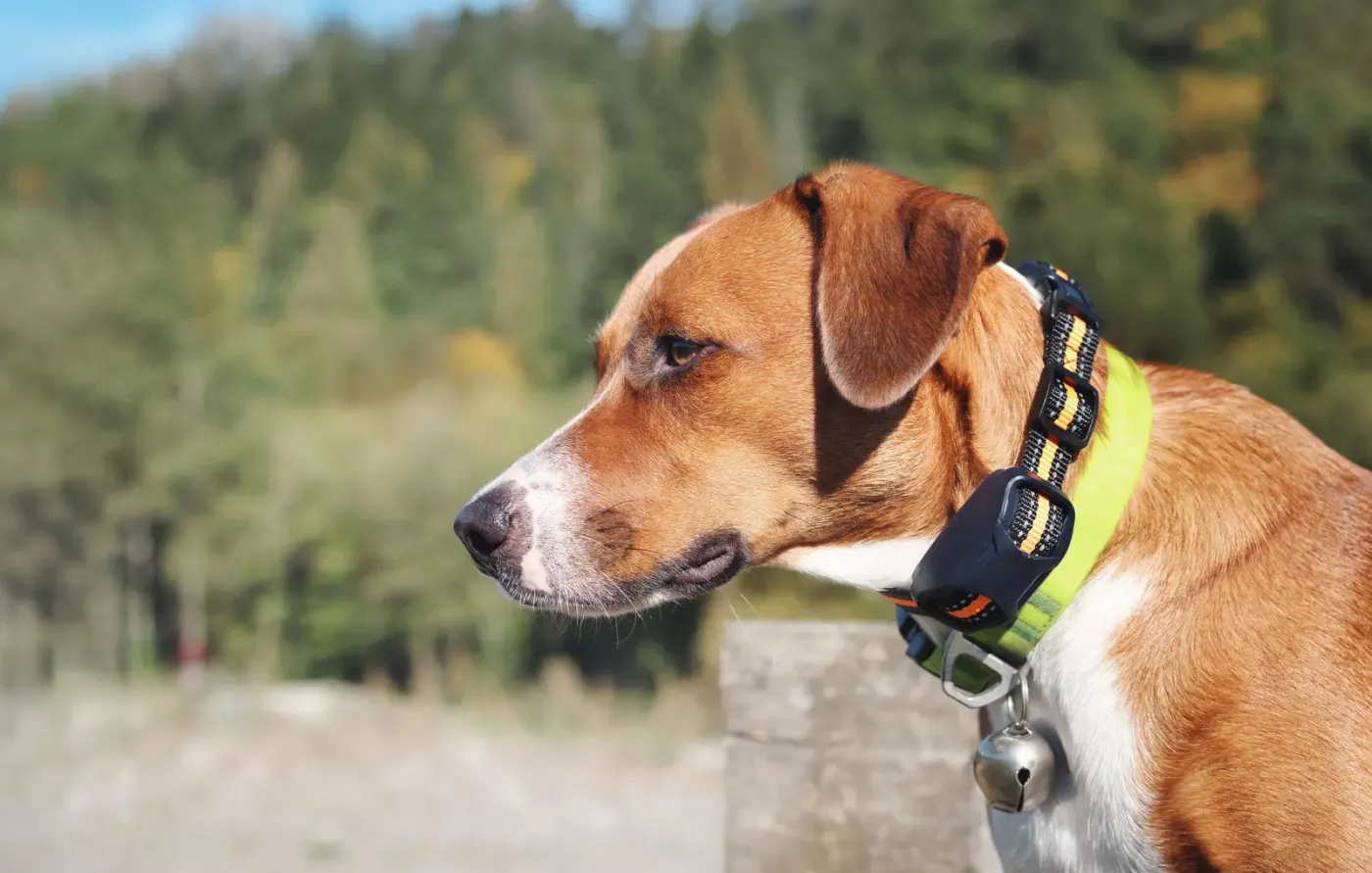
Eye contact on purpose
The look game builds attention one glance at a time.
Sit in a quiet room with a handful of small treats. Say nothing. The moment your dog glances at your face, mark it with a yes or a click and pay. Many dogs catch on within a few minutes and start offering longer looks. When the glance is quick and steady, add a word such as look just before the eyes arrive. That is the look game: you are paying for attention until attention becomes the dog's first idea.
Auto check-ins come next. On a leash in the yard, walk slowly and wait. Every time the dog turns to find your face without being asked, mark, pay, then keep walking. Then climb the ladder of distractions in stages: the front step, the end of the block, a bench beside a quiet path, then the edge of a field with other dogs at a distance. If the dog cannot look at you, you are too close, so back up a stage.
- Mark the glance, then pay
- Add the word after the offer
- Reward unasked check-ins
- Raise distractions one stage at a time
Focus on Calgary walks
Pathways and off-leash parks are the real exam.
Calgary's river pathways are busy with cyclists, runners, strollers and other dogs, often on a shared strip of pavement. That is a hard place to earn attention if the dog has only practised in the kitchen. Walk the pathway at a quiet hour first, stop every twenty or thirty steps, and pay a check-in before moving on. Let the traffic become background. Off-leash parks come last: practise focus at the boundary on leash before the dog ever earns the freedom inside.
Focus is also the backbone of reactivity work. A dog that can look at you when another dog appears across the field still has a choice; a dog that cannot is already over threshold. We build it in the same stages inside Behaviour Rehab, a 5 to 6 week board and train at $4,850 to $5,760 plus GST after assessment, and in Private Training at $150 per one-hour session with a written weekly plan. The order holds: quiet, busy, pathway, park.
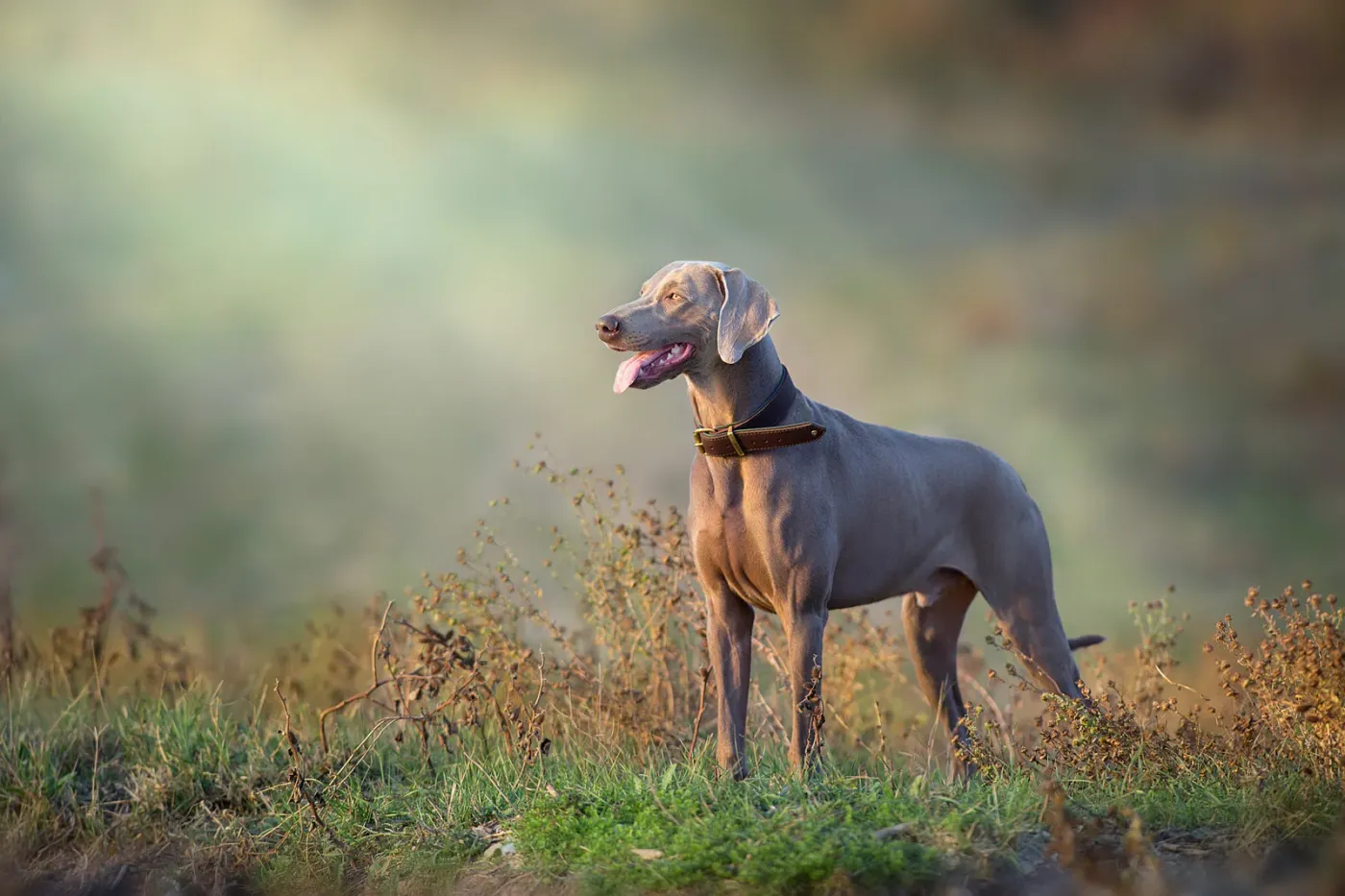
The programs
When teaching it yourself stalls.
The guide above is the real method. These are the faster routes.
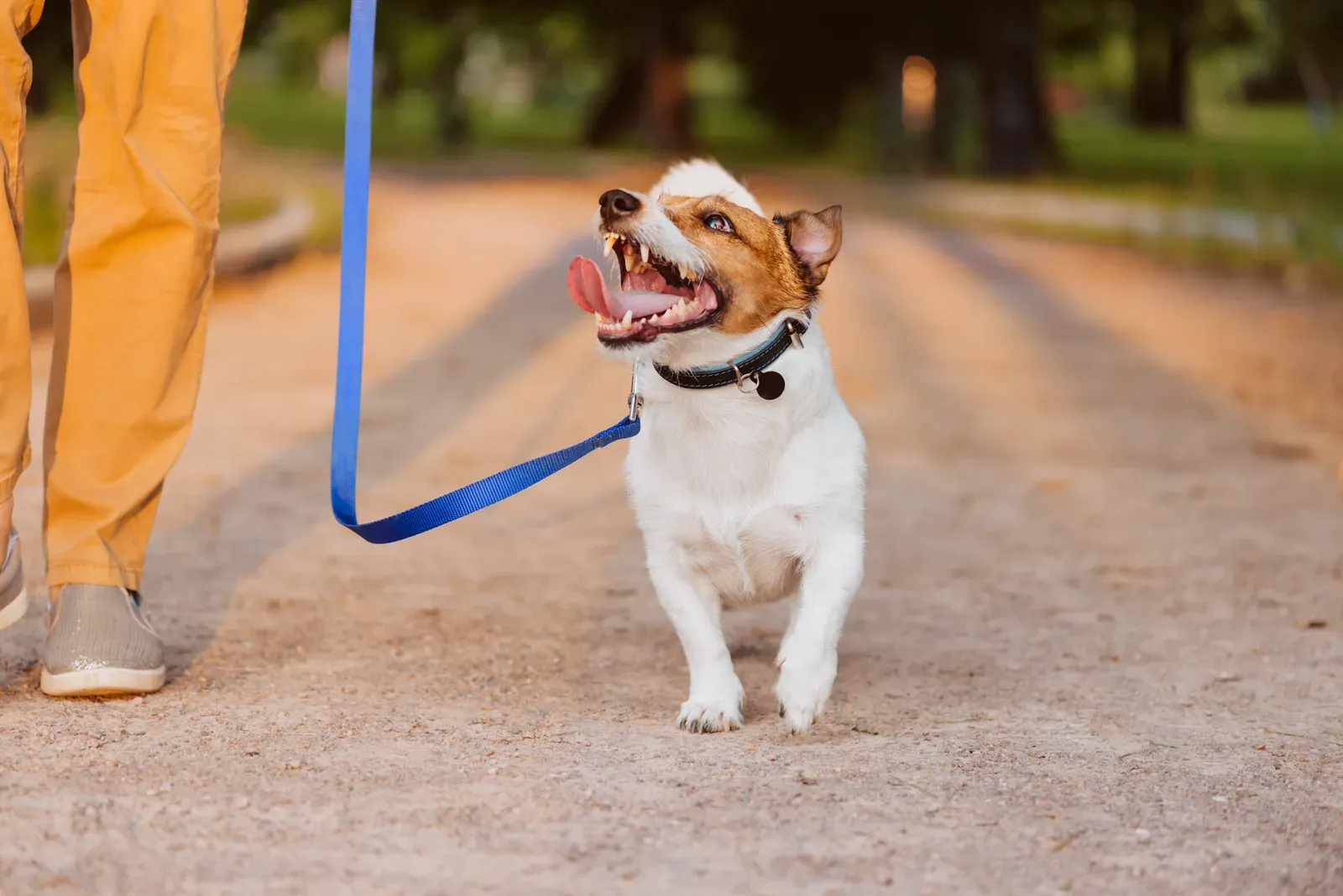
W · One-hour session
Private Training
One-on-one coaching with you on the other end of the leash.
Includes a written weekly plan to work from
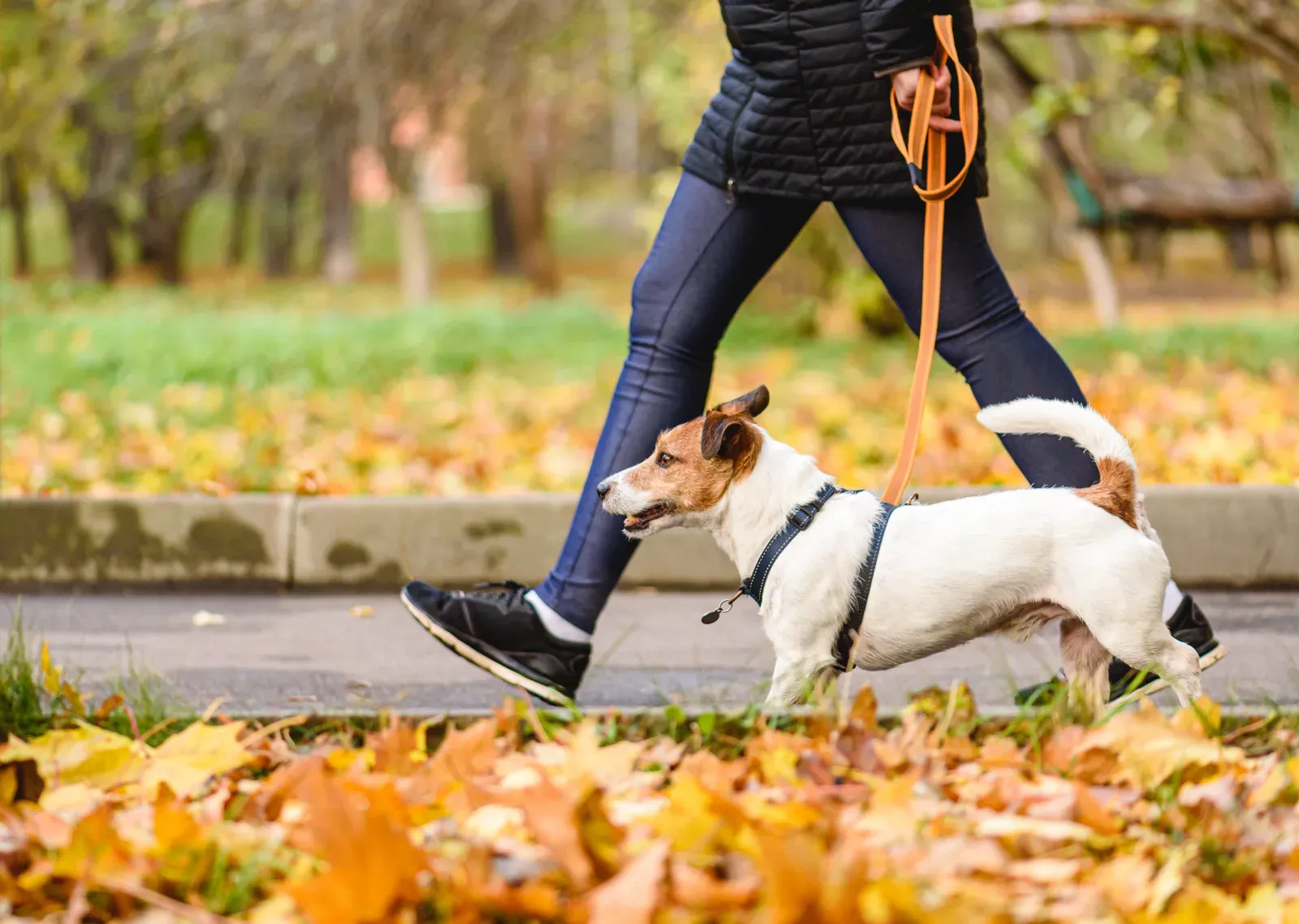
NE · 2-week board & train
On-Leash Foundations
If every walk is a wrestling match, pulling, barking, zig-zagging, this two-week program rebuilds the walk from the ground up with foundational on-leash obedience..
Includes handover lesson, follow-up session, lifetime support, slip lead + collar
Asked and answered
The questions people ask us.
How do you teach a dog to focus?
Reward eye contact before you ever ask for it. Sit quietly, mark the moment the dog looks at your face, and pay; add a cue only once the look is being offered freely. Then practise in gradually busier places so the skill survives outside the living room.
How do I get my dog to focus on me while walking?
Stop often in the first weeks and pay every check-in the dog offers. Keep the pace slow, choose quiet routes first and treat the busy pathway as a later stage, not the starting point. If the dog cannot look at you, add distance from whatever is pulling their attention.
How do you teach a dog eye contact?
Hold a treat out at arm's length, wait, and mark the instant the dog's eyes leave the treat and find yours. Pay from the other hand so the look, not the stare at food, earns the reward. Sessions of a minute or two beat long drills.
How do I get my dog to focus on me around other dogs?
Start at a distance where your dog notices the other dog but can still eat and respond. Pay generously there and shrink the gap over days, not minutes. If focus disappears, the gap was too small; move back and rebuild before trying again.
Keep reading
Attention you can build
Your dog only has eyes for the pathway? Book a consultation and we will map the stages with you.
From real owners
Rated 5.0 on Google.
Real Northline dogs