
The method
How to teach a dog to fetch and return
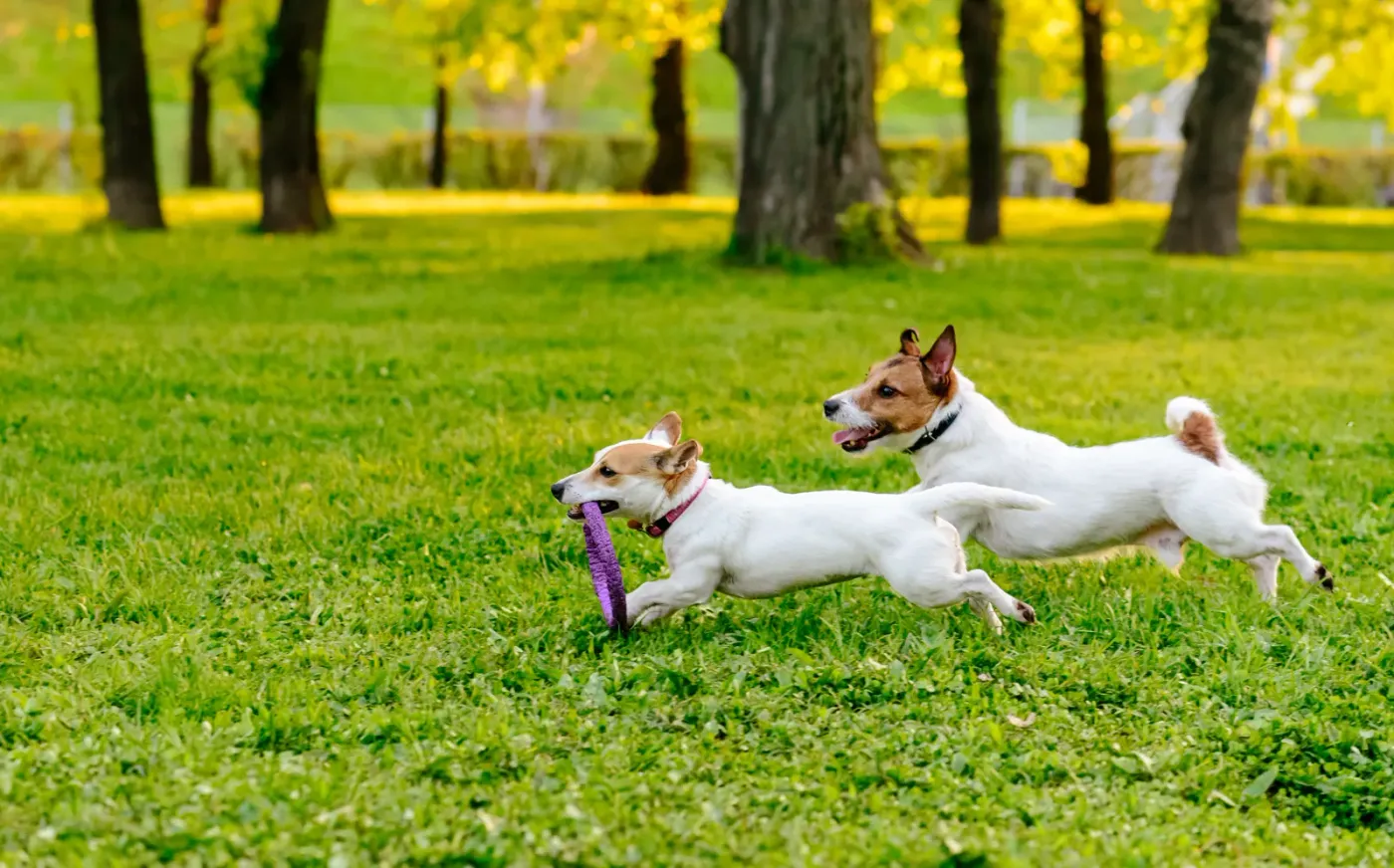
Plenty of dogs fetch. Far fewer return. The usual picture is a dog who sprints after the ball, grabs it, then does victory laps just out of reach while the owner pleads. Fetch is really two skills stitched together: chase and carry, which most dogs bring for free, and bring it back, which has to be taught. The two-toy method makes the second half the part your dog wants most.
Last reviewed August 26, 2026
Two toys, one rule
Coming back is where the game lives.
Pick two toys the dog rates equally: two of the same ball is ideal. Start in a hallway or fenced yard with nowhere to run off to. Roll the first ball a few metres. As soon as the dog has it, get animated with the second ball and jog backwards. Most dogs come straight in. The second the dog reaches you, throw ball two and scoop up ball one while they are busy. No cue yet, no reaching for the mouth.
After a week of that, the dog is sprinting back because a return has always meant a new throw. Now shape the delivery: hold the second ball still until the first one drops near your feet, then throw. Add a word like bring as they turn toward you. The one rule that never changes is that you do not chase. A dog that trots off with the ball gets ignored, and the game ends. Ending the game is the only correction fetch needs.
- Two matching balls
- Jog backwards, never forwards
- Throw two only after one drops
- Walking off ends the game
Ball brain
Obsession is not the same as enthusiasm.
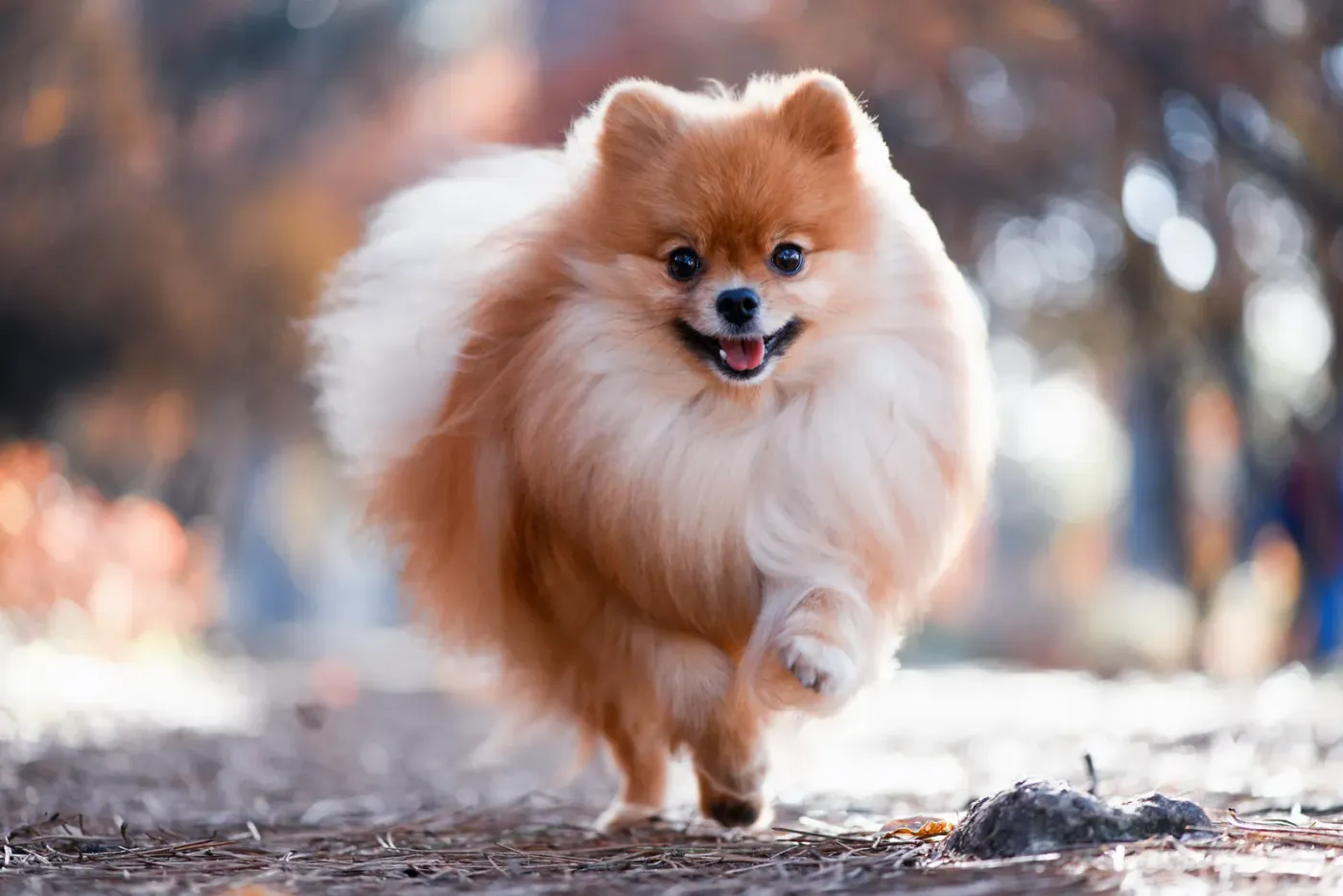
Some dogs do not play fetch so much as get possessed by it. The eyes lock, the body trembles, and nothing else exists. That state is arousal, not joy, and dogs who live there struggle to settle at home. Build in an off switch: ask for a sit or a down before every throw, and end sessions while the dog still wants more. Keep it brief, five or six throws, and finish with a sniffy walk so the nervous system comes back down.
Off-leash parks add other dogs to the mix, and a ball-obsessed dog is a magnet for trouble. Dogs who guard the ball can snap at a friendly stranger, and dogs who steal balls start fights they did not mean to. Read the room before the ball comes out. If another dog is hovering, pocket it and walk on. A rock-solid return also keeps your dog close, which is the polite version of off-leash: near you, not roaming the whole field.
The programs
When teaching it yourself stalls.
The guide above is the real method. These are the faster routes.
W · One-hour session
Private Training
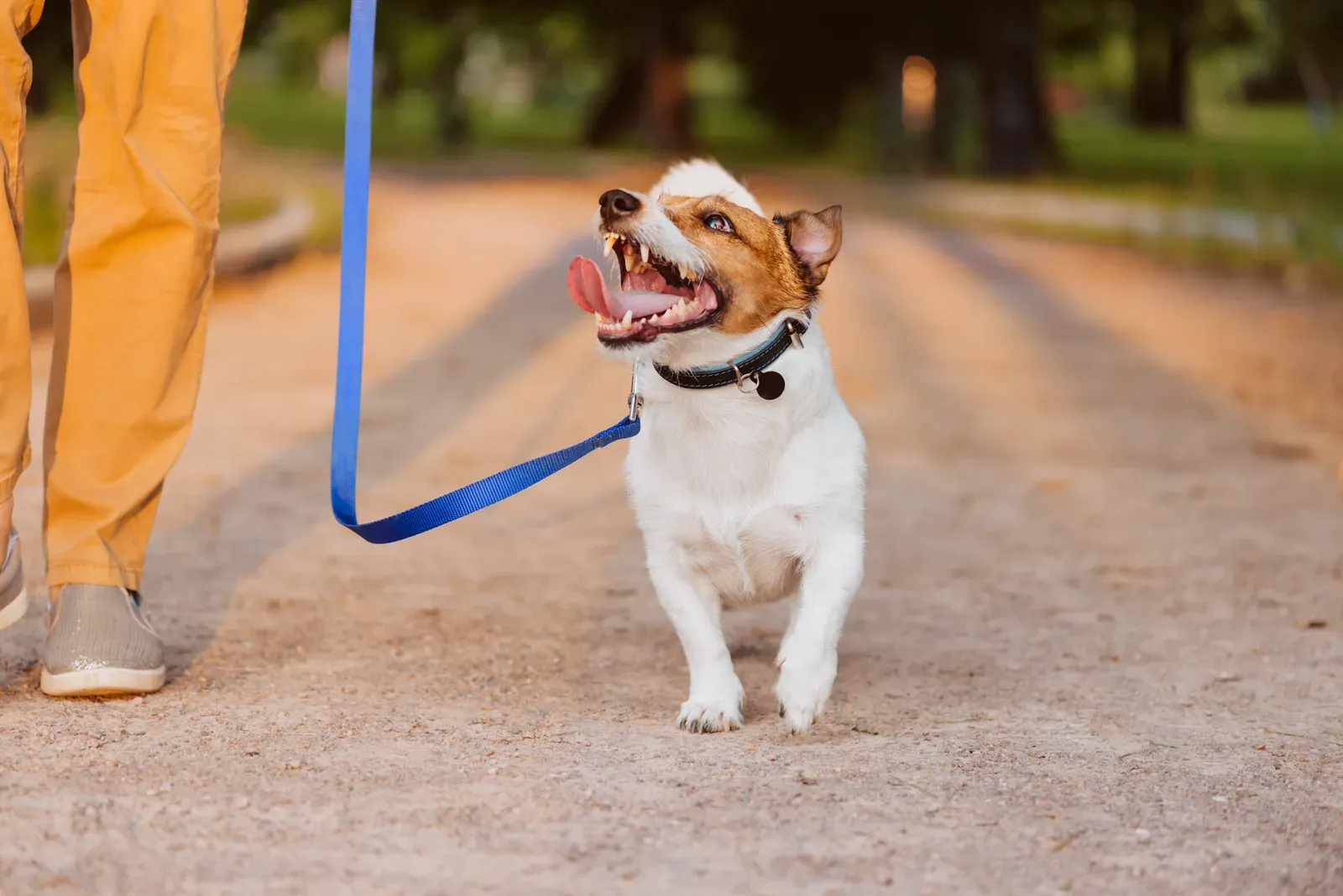
One-on-one coaching with you on the other end of the leash.
Includes a written weekly plan to work from
NE · 2-week board & train
On-Leash Foundations
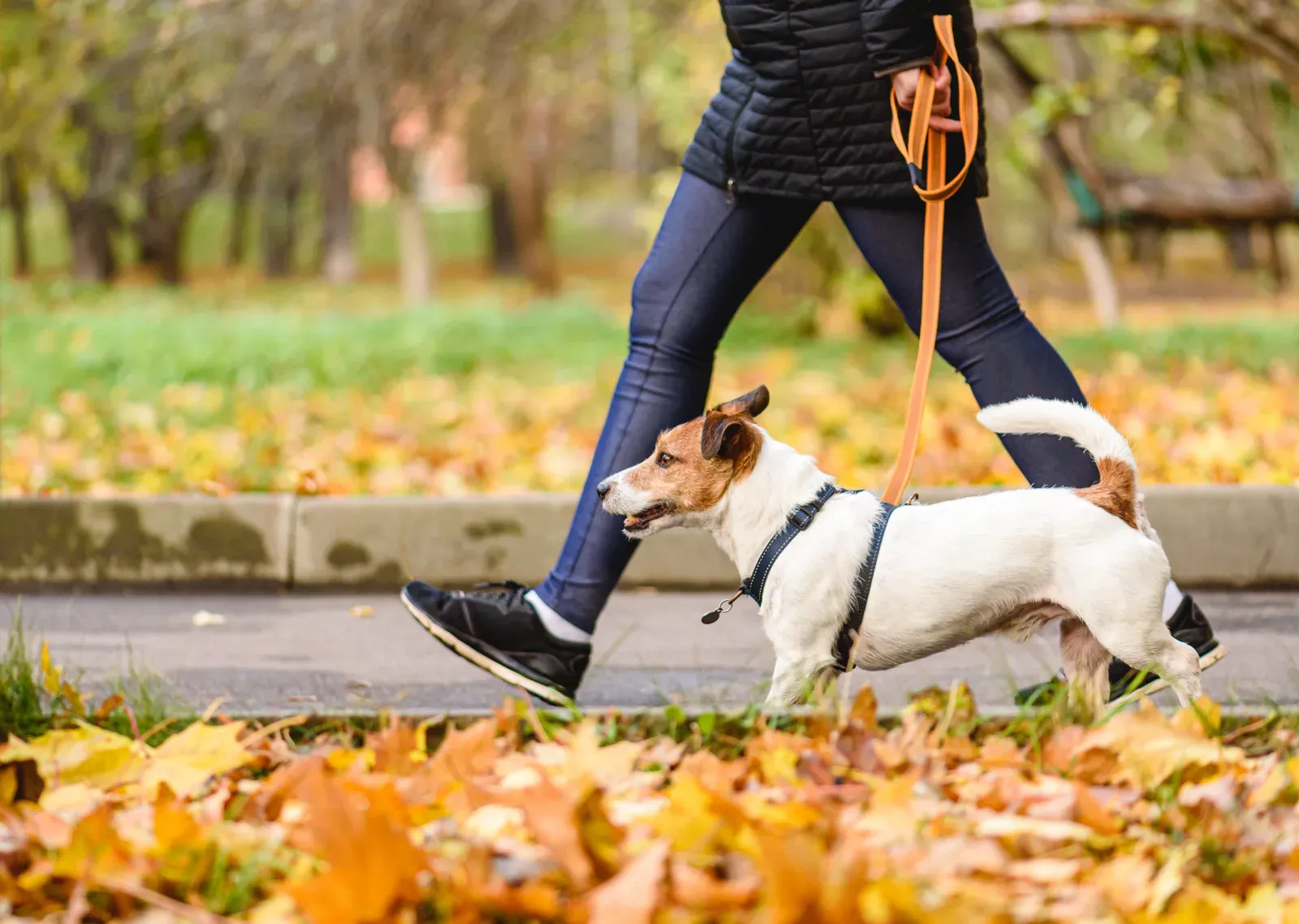
If every walk is a wrestling match, pulling, barking, zig-zagging, this two-week program rebuilds the walk from the ground up with foundational on-leash obedience..
Includes handover lesson, follow-up session, lifetime support, slip lead + collar
Asked and answered
The questions people ask us.
How do you teach a dog fetch and return?
Use two matching toys and throw the second one the instant the dog brings the first back to you. Never chase the dog; walking off with the toy ends the game. Within a week or two the return is the part the dog is racing for.
How do you train a dog to fetch a ball?
Start with short rolls in a hallway so the ball is easy to win. Get excited when the dog picks it up and jog backwards so they follow you in. Keep the ball rare, so it only comes out for the game and stays exciting.
How do you train a puppy to fetch and return?
Puppies chase naturally but tire and lose focus fast, so keep it to three or four rolls in a hallway. Skip the ball for a soft toy that is easy to carry. Protect growing joints by avoiding high bounces and hard skids.
How do you teach a dog to catch, including catching treats?
Start with a treat dropped straight down from just above the nose so the dog only has to open its mouth. Once that works, toss gently from a short distance and let it fall if they miss. Move to a soft toy the same way, and keep throws low and slow before adding height.
Keep reading
When the ball runs the house
A dog who cannot come down from fetch usually cannot settle anywhere. Book a consultation and we will build the off switch together.
From real owners
Rated 5.0 on Google.
Real Northline dogs