
The method
How to teach a dog roll over and play dead
Roll over and play dead are the same trick stopped at different points. Both start from a down and travel through a hip roll, which is the bit most dogs find odd at first. The secret is not to ask for the whole rotation at once. Pay for a head turn, then a hip, then a shoulder, and the full roll shows up on its own. Two minutes at a time is plenty.
Last reviewed August 26, 2026
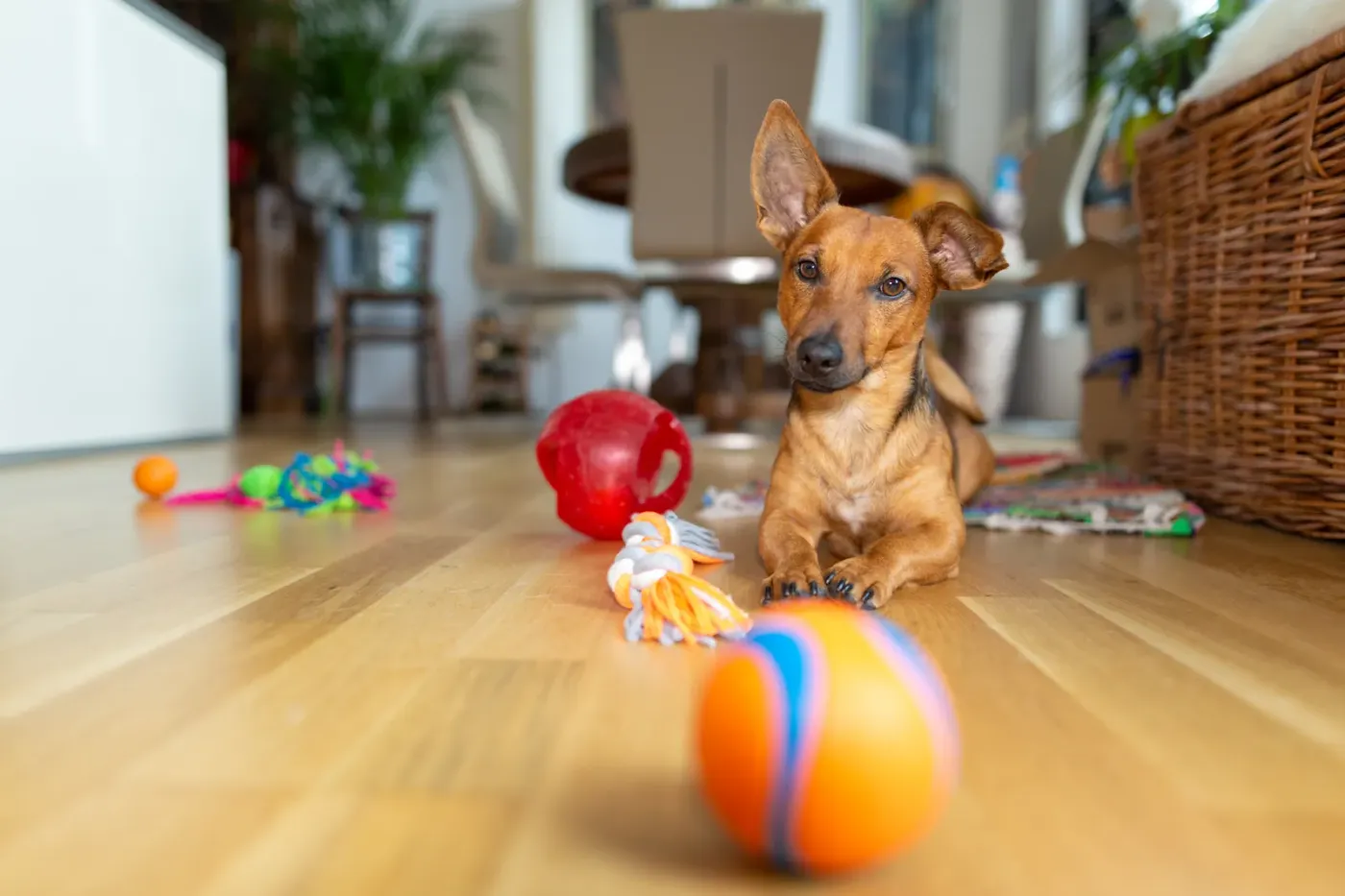
Lure in pieces
Four small steps beat one big flip.
Work on carpet or grass, never a slippery floor. Ask for a down, then hold a treat at the nose and draw it in a slow arc toward the dog's shoulder blade. The head follows, the weight shifts, and one hip drops sideways. Mark and feed right there, several times, before you ask for anything more. Next session, keep the arc going past the shoulder. The shoulder follows, the dog lands on its side, and you feed while they are down there.
That flat-out pause is play dead. Add a cue there, bang or a finger point, then delay the treat by a second or two so the dog learns to hold still. For roll over, do not stop: carry the arc over the spine so the dog completes the turn and pops up, and pay at the end. Say roll over as they commit to the second half. Keep each session to a handful of reps. Over-excited dogs fling themselves around and the trick gets sloppy.
- Soft surface, no hardwood
- Lure toward the shoulder blade
- Pay the hip before the roll
- A handful of reps, then stop
Bodies and winters
Some dogs should skip the roll entirely.
Roll over asks for a twist through the spine and a full weight shift over the hips. Long-backed breeds, seniors with stiff hips, dogs recovering from surgery and heavy dogs with thick shoulders often struggle with the roll, and forcing it can hurt. Play dead is the kinder option: the dog settles onto one side and stays, which needs no twist. If your dog resists the roll every time, listen. That is information, not stubbornness.
Tricks earn their keep in a Calgary winter. When it is cold enough that walks shrink to a quick loop, a dog still needs to use its brain, and ten minutes of trick work tires a dog in a way the same old route does not. Roll over, play dead and spin, chained together, make a living-room routine that burns energy without ice or wind chill. Keep the surface soft, keep the reps few, and finish with a chew so the dog settles afterwards.
The programs
When teaching it yourself stalls.
The guide above is the real method. These are the faster routes.
W · One-hour session
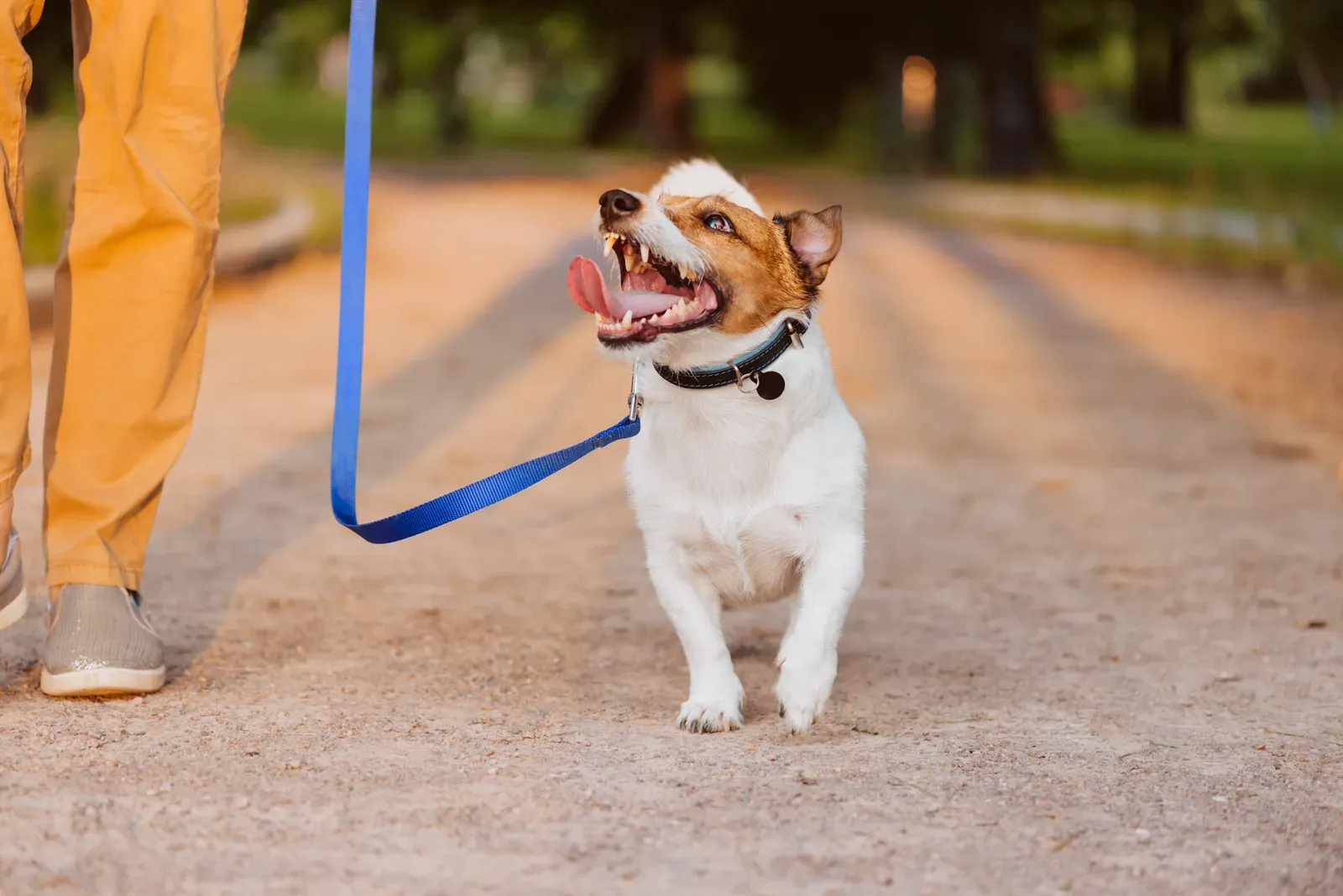
Private Training
One-on-one coaching with you on the other end of the leash.
Includes a written weekly plan to work from
NE · 2-week board & train
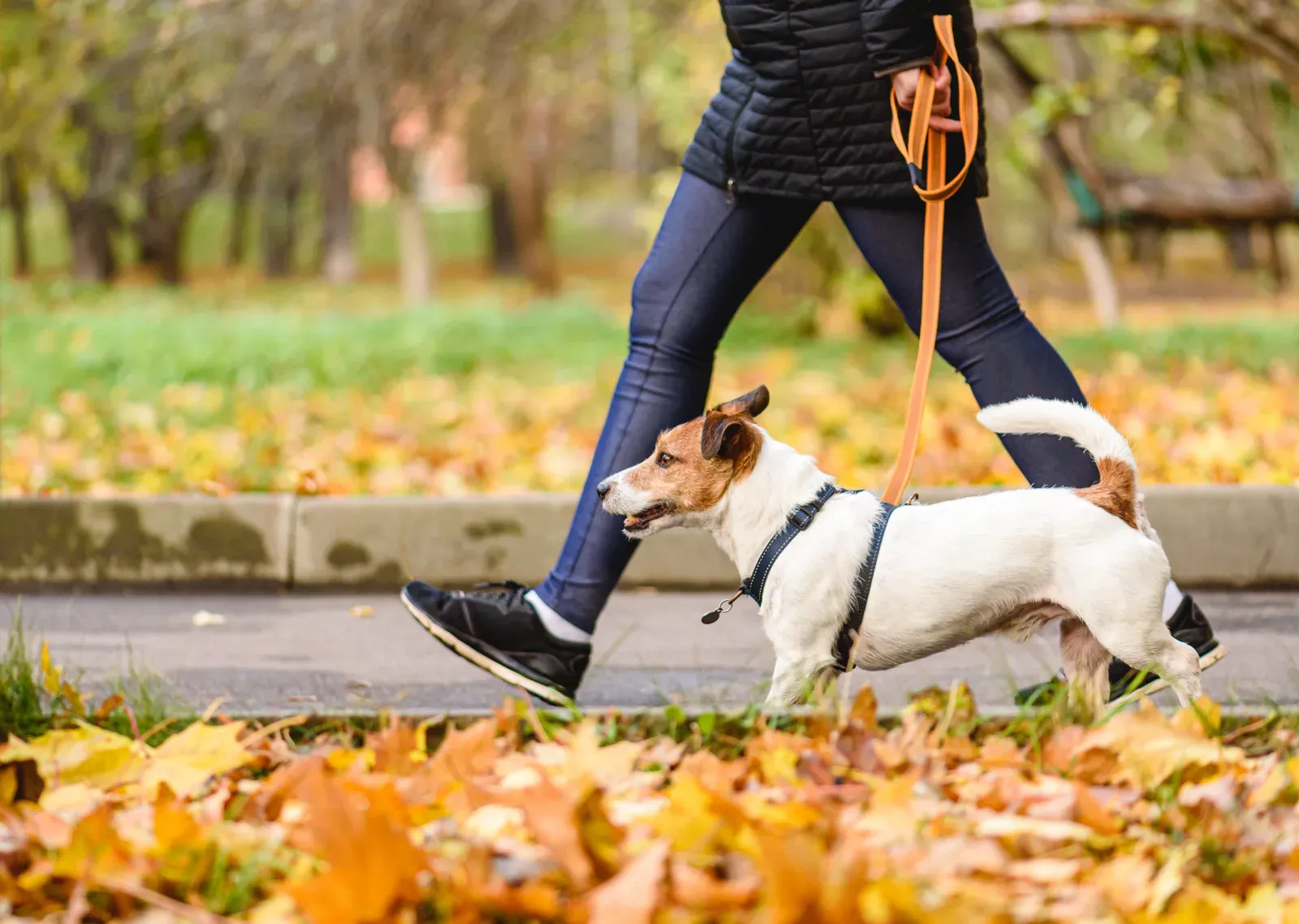
On-Leash Foundations
If every walk is a wrestling match, pulling, barking, zig-zagging, this two-week program rebuilds the walk from the ground up with foundational on-leash obedience..
Includes handover lesson, follow-up session, lifetime support, slip lead + collar
Asked and answered
The questions people ask us.
How do you teach a dog to roll over?
Start from a down and lure the nose toward the shoulder blade so the dog tips onto a hip, then keep the treat moving over the back until they come up the other side. Pay each stage separately before joining them. Use carpet or grass, not a slippery floor.
How do you teach a dog to play dead?
Play dead is the halfway point of roll over: lure from a down until the dog lands on its side, then feed while they are flat. Add a cue once it is reliable, then delay the treat so the dog learns to hold the position. Keep the stay short at first.
How do you teach a dog the bang trick?
Bang is play dead with a finger-gun cue. Teach the flop on its own first, then say bang and make the hand signal a half second before you lure. After a few dozen reps the signal alone drops the dog, and the treat can be faded.
How do you train a puppy to roll over?
Puppies are bendy, so the roll comes easily, but their attention does not. Keep sessions to a few reps on a soft surface and stop while they are still keen. Skip it if your puppy is sore or limping, and come back another day.
Keep reading
From tricks to real skills
Tricks come easy but the walks are still a mess. Book a consultation and we will put that brain to work.
From real owners
Rated 5.0 on Google.
Real Northline dogs