The method
How to teach a dog paw, shake and high five
Paw is the trick everyone teaches first, and usually the one taught worst: the owner grabs the leg, lifts it, shakes it, and the dog tolerates the whole thing while looking at the ceiling. There is a better way. Let the dog offer the paw on their own, pay for it, then name it. From that one lift you get shake, high five, wave and a dog who is happier about having feet handled.
Last reviewed August 26, 2026
Closed fist method
Let the dog discover the paw lift.
Sit on the floor with the dog in front of you. Close a smelly treat inside your fist and hold it low, level with the dog's elbow. Then do nothing. The dog will nose it, lick it, maybe bark at it. Wait for any movement from a front foot, even a shuffle, and mark it, open the fist, feed. Within a few minutes most dogs are slapping the hand. Raise the bar until you only pay for a clean paw resting on your fist.
Once the paw lands reliably, swap the fist for an open, empty palm and pay from the other hand. Now say the word: shake, then present the palm, then mark and pay. Say it once, not five times. For high five, rotate the palm to face the dog and lift it an inch higher every few reps until the dog reaches up. For wave, hold the hand just out of reach so the paw swipes at air. Same lift, three tricks, one cue each.
- Treat inside a closed fist
- Pay any front foot movement
- Say the cue once
- Palm out for high five
More than a trick
A paw trick pays off at the vet.
Tricks look like fluff, but they teach the dog that offering behaviour gets paid, which is the engine behind everything else you will train. A dog who learned to experiment with a paw learns sit, down and place faster because they already know the game. Paw also builds a habit that matters: a dog who volunteers a foot is a dog whose nails can be trimmed, whose pads can be checked for salt burns in winter, and who does not fight the vet.
Some dogs hate having their feet touched, and shaping is the kindest route because nobody grabs anything. The dog chooses to lift the foot and gets paid, so the paw becomes a source of good things, not a fight. Go slower with these dogs: pay for a weight shift, then a lift, then a touch, over days, not minutes. A dog who snaps or goes rigid when a hand nears a leg has a handling problem, not a trick problem, and deserves a plan.
The programs
When teaching it yourself stalls.
The guide above is the real method. These are the faster routes.
W · One-hour session
Private Training
One-on-one coaching with you on the other end of the leash.
Includes a written weekly plan to work from
NE · 2-week board & train
On-Leash Foundations
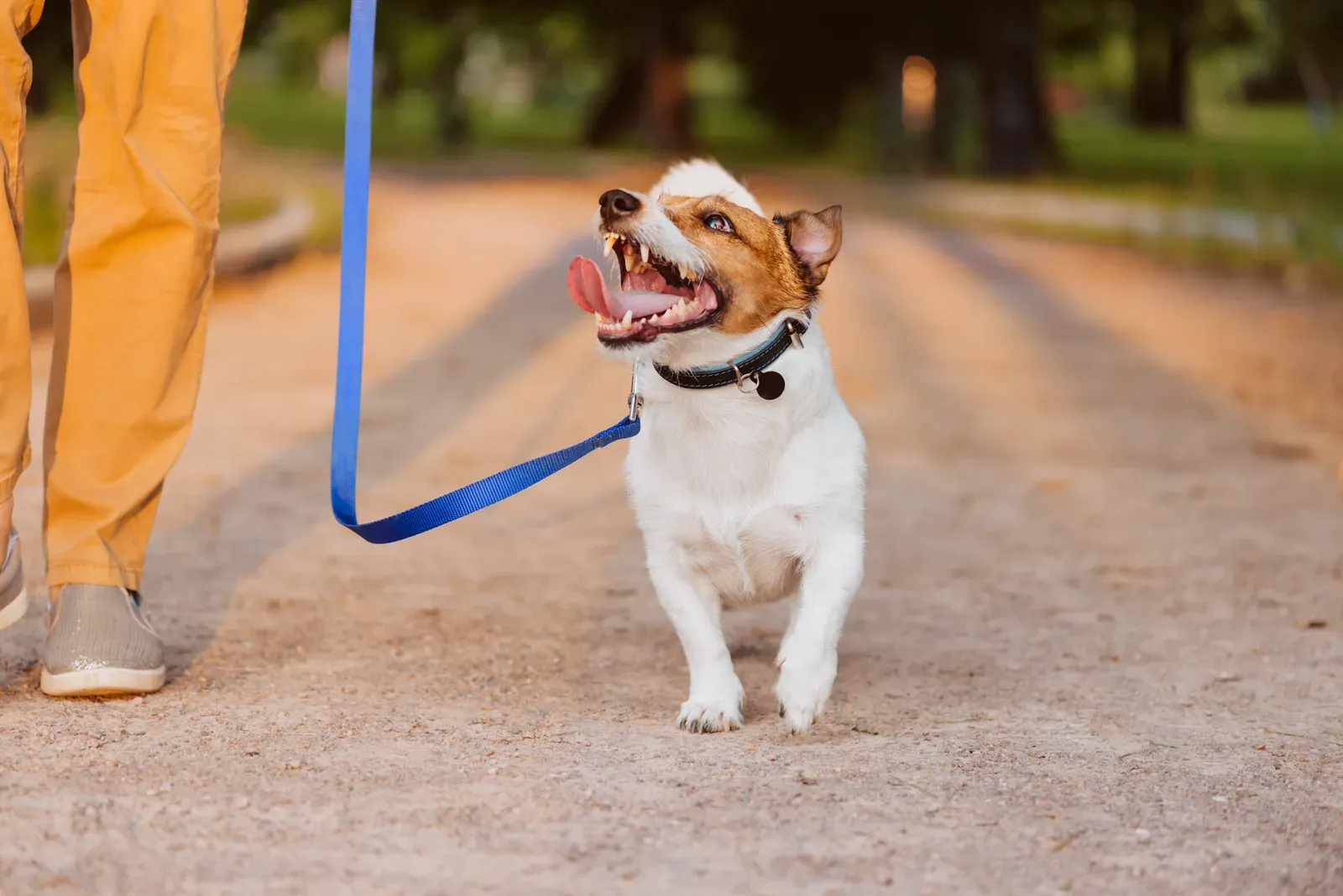
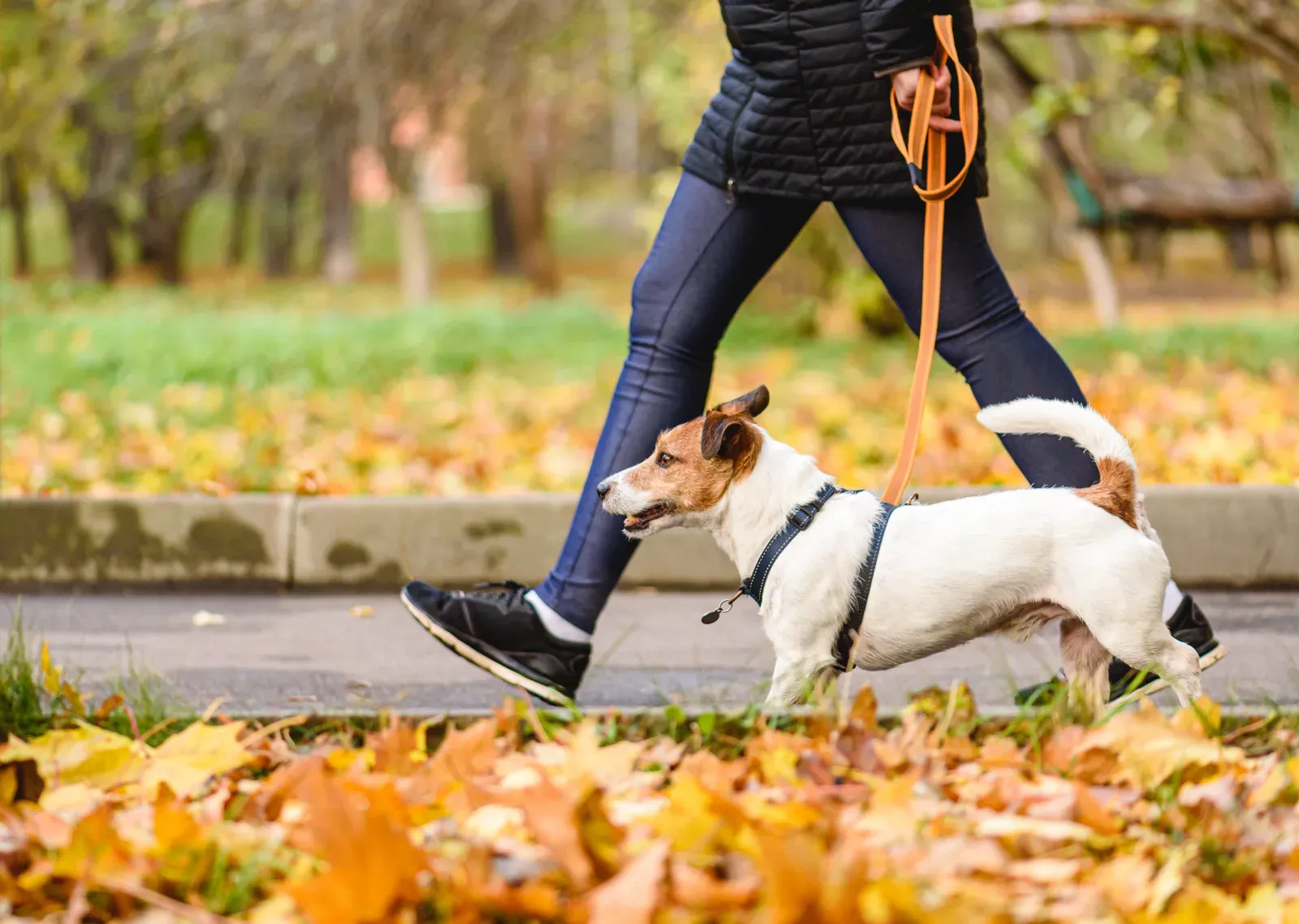
If every walk is a wrestling match, pulling, barking, zig-zagging, this two-week program rebuilds the walk from the ground up with foundational on-leash obedience..
Includes handover lesson, follow-up session, lifetime support, slip lead + collar
Asked and answered
The questions people ask us.
How do you teach a dog to give paw?
Hold a treat in a closed fist at elbow height and wait for the dog to paw at it, then mark, open the hand and feed. Never lift the leg for them. Once they offer it every time, say paw just before the fist appears.
How do you teach a dog to shake a paw?
Shake is paw with a handshake on the end. Once the dog rests a foot on your open palm, close your fingers gently around it for a second, pay, and release. Build the hold slowly so the dog never feels trapped.
How do you teach a dog high five?
Start from a solid paw, then turn your hand palm out and raise it a little each session. Pay for a paw that reaches up and taps the palm. If the dog stalls, lower the hand back to where they were last succeeding.
How do you teach a paw trick to a dog that hates having its feet touched?
Shaping is made for these dogs because your hand never grabs. Pay for tiny movements, a weight shift or a toe lift, and let the dog set the pace. If there is growling or stiffening when a hand approaches, that needs an assessment rather than more trick sessions.
Keep reading
When feet are off limits
Growling or freezing over paw handling is a behaviour issue, not a trick gap. Book a consultation and we will assess it properly.
From real owners
Rated 5.0 on Google.
Real Northline dogs