
The method
How to teach a dog drop it and leave it
Most dogs learn drop it backwards. Someone grabs the sock, the dog clamps down, and a game of keep-away is born. The fix is to make letting go the best deal in the room, then attach a word to it, then practise with things the dog actually values. Leave it works the other way round: the mouth never gets there. Here is how we teach both, in that order.
Last reviewed August 26, 2026
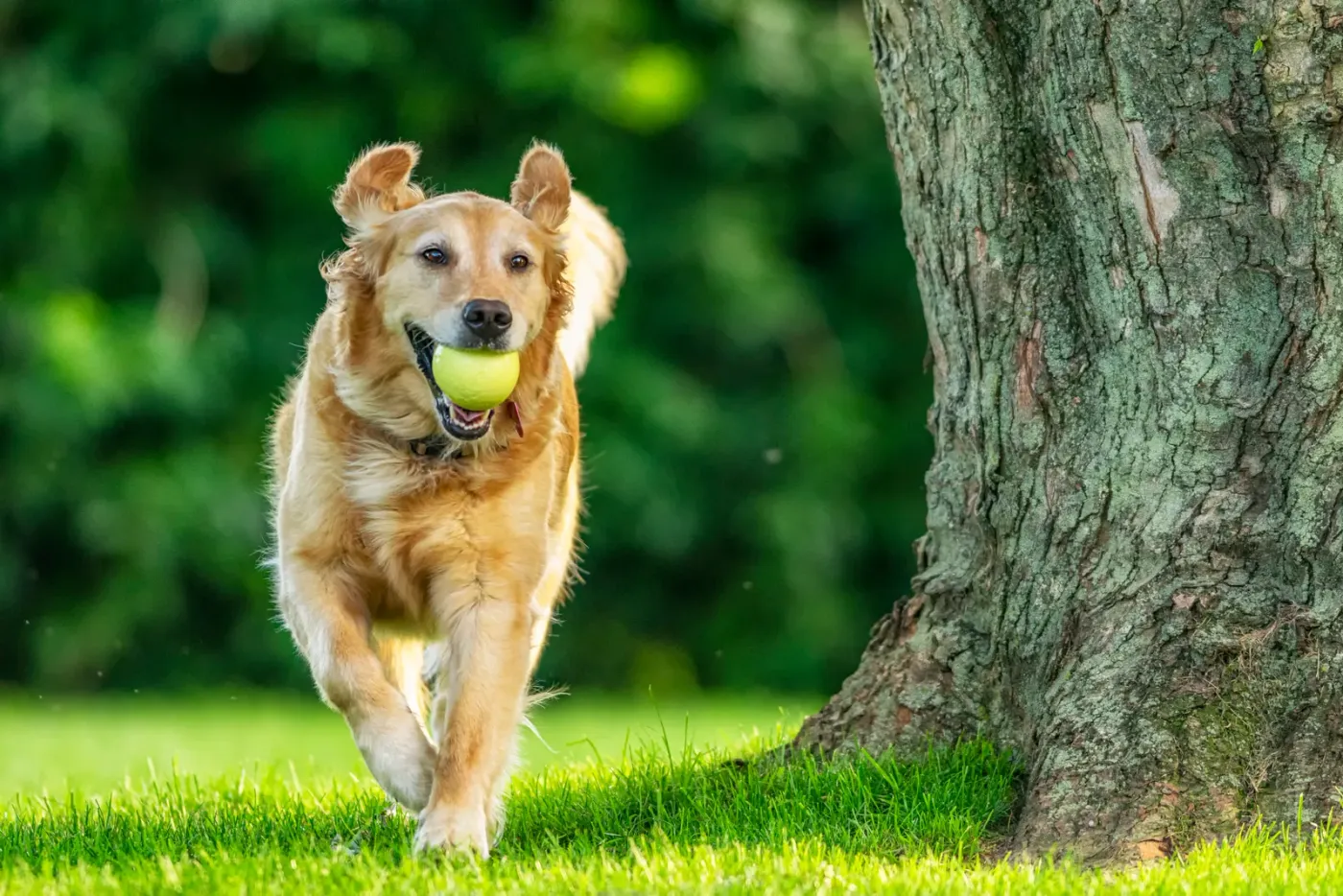
Trade before cue
The trade game comes before the word.
Start with a toy the dog likes but does not treasure. Let them hold it, then bring a piece of cheese or chicken right to the nose. The mouth opens, the toy falls, you mark that instant, feed, and hand the toy back. Say nothing yet. Ten easy reps and the dog starts spitting the toy out the moment your hand moves. That anticipation is the behaviour you were after.
Now add the cue. Say drop it once, pause a beat, then present the trade. Within a few sessions the word alone empties the mouth. Then climb the ladder: a stuffed toy, a rawhide, a stolen sock, a chicken bone on the boulevard. Keep the payoff big at each rung and return the item whenever it is safe. Leave it is the sibling skill: cover a treat with your hand, wait out the pawing, pay from the other hand.
- Trade first, word later
- Mark the instant the mouth opens
- Give the toy back often
- Leave it gets its own cue
Guarders and gutters
Resource guarders need a different plan.
If your dog stiffens, freezes, or growls when you approach a chew, stop the hands-on trades. Reaching toward a guarder teaches them that hands predict loss, and the growl gets louder or, worse, goes quiet. Instead, toss the trade from a distance, walk away, and let the dog choose to leave the item. Manage the environment so there is nothing worth guarding lying around. Guarding that involves teeth on skin is a case for an assessment, not a home project.
Calgary sidewalks test both cues. Spring melt uncovers a winter of dropped food, bones and worse, and summer patios shed fries onto the pavement. Leave it is the cue you want here, because a dog that never picks up the bone does not need to drop it. Walk with treats in your pocket, cue leave it before the nose dips, and pay well. When the mouth wins anyway, drop it is the backup, so practise it on walks, not just in the kitchen.
The programs
When teaching it yourself stalls.
The guide above is the real method. These are the faster routes.
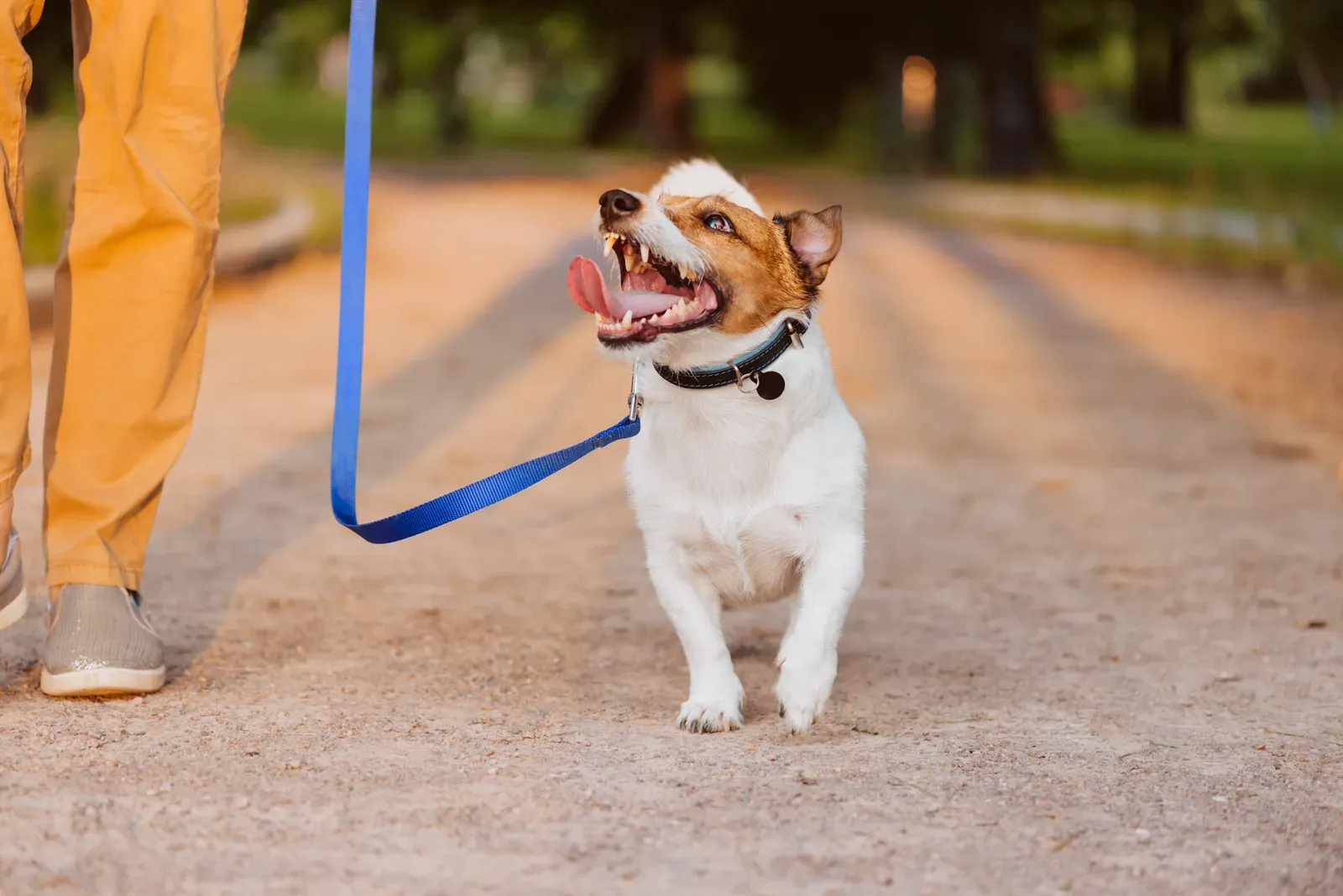
W · One-hour session
Private Training
One-on-one coaching with you on the other end of the leash.
Includes a written weekly plan to work from
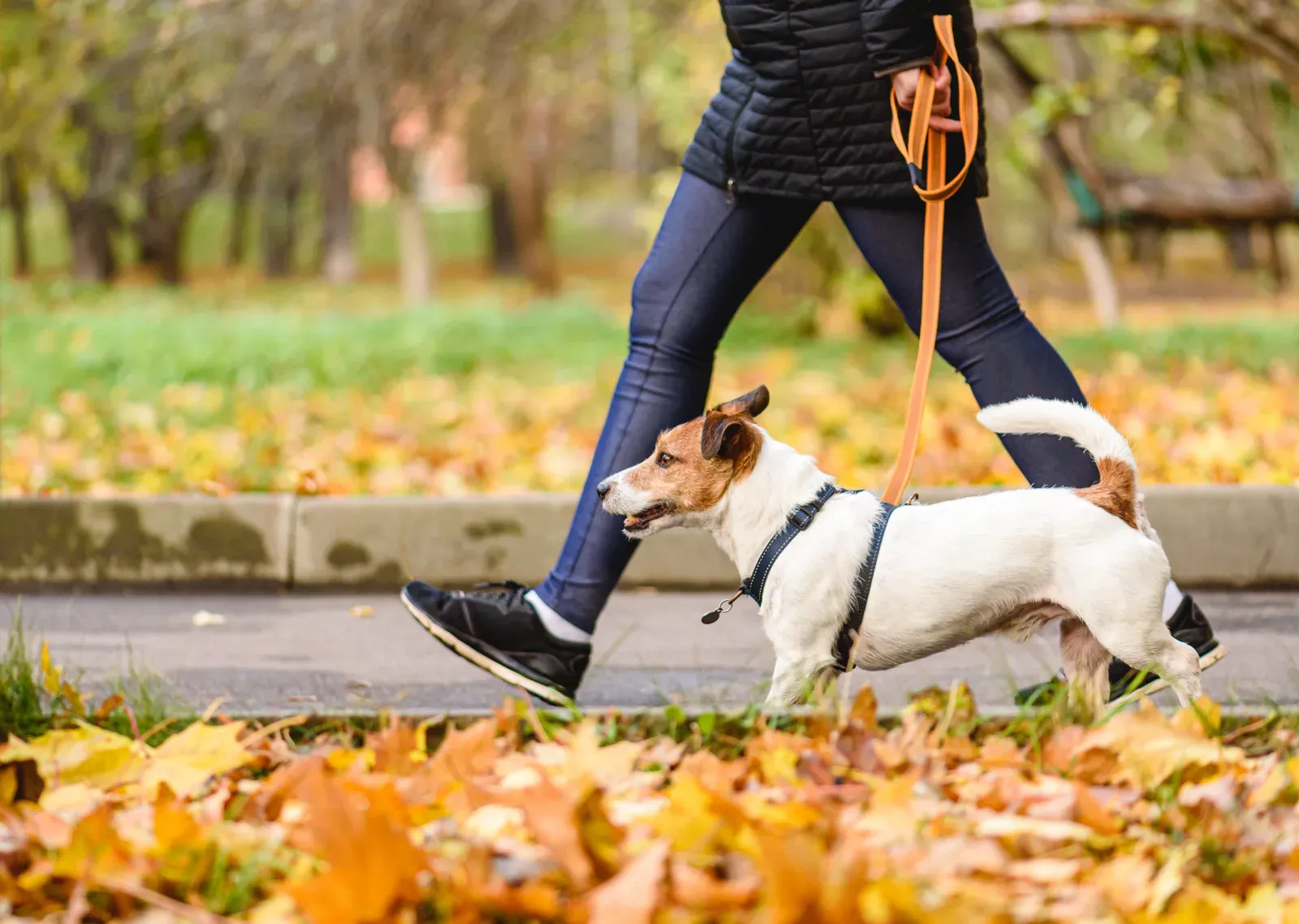
NE · 2-week board & train
On-Leash Foundations
If every walk is a wrestling match, pulling, barking, zig-zagging, this two-week program rebuilds the walk from the ground up with foundational on-leash obedience..
Includes handover lesson, follow-up session, lifetime support, slip lead + collar
Asked and answered
The questions people ask us.
How do you teach a dog the drop it command?
Start with a trade: offer a high-value treat while the dog holds a toy, mark the moment the mouth opens, then give the toy back. Once the release is fast, say drop it just before the treat appears. After a few sessions the word does the work on its own.
How do you train a dog to drop something it should not have?
Do not chase and do not grab, because both turn the item into a prize. Show a treat, say drop it, and pay when the item falls. If your dog guards stolen things, toss the treat away from the item instead of reaching in.
How do you get your dog to drop something on a walk?
Carry treats and practise the cue on low-value items first, like a stick, so it holds up when the item is a bone. Cue once, pay big, and move on. Pair it with leave it so most hazards never reach the mouth.
How do you train a puppy to drop something?
Puppies learn fastest through the trade game because they have not yet learned to run away with things. Keep sessions to a couple of minutes, use soft treats, and give the toy back nearly every time. Never pry a puppy's mouth open; it teaches them to clamp.
Keep reading
Guarding is not a DIY job
Growls during trades or teeth on a stolen item need an assessment first. Book a consultation and we will build the plan.
From real owners
Rated 5.0 on Google.
Real Northline dogs