
Problem behaviours
How to stop a dog stealing food from kids
A toddler holding a cracker at nose height is, to many dogs, a snack on a stand. Food theft from kids is common and usually not malicious, but it puts a dog's mouth close to small hands and faces. The answer is a barrier first, a place routine taught by an adult second, and one firm family rule: children never handle the discipline.
Last reviewed October 4, 2026
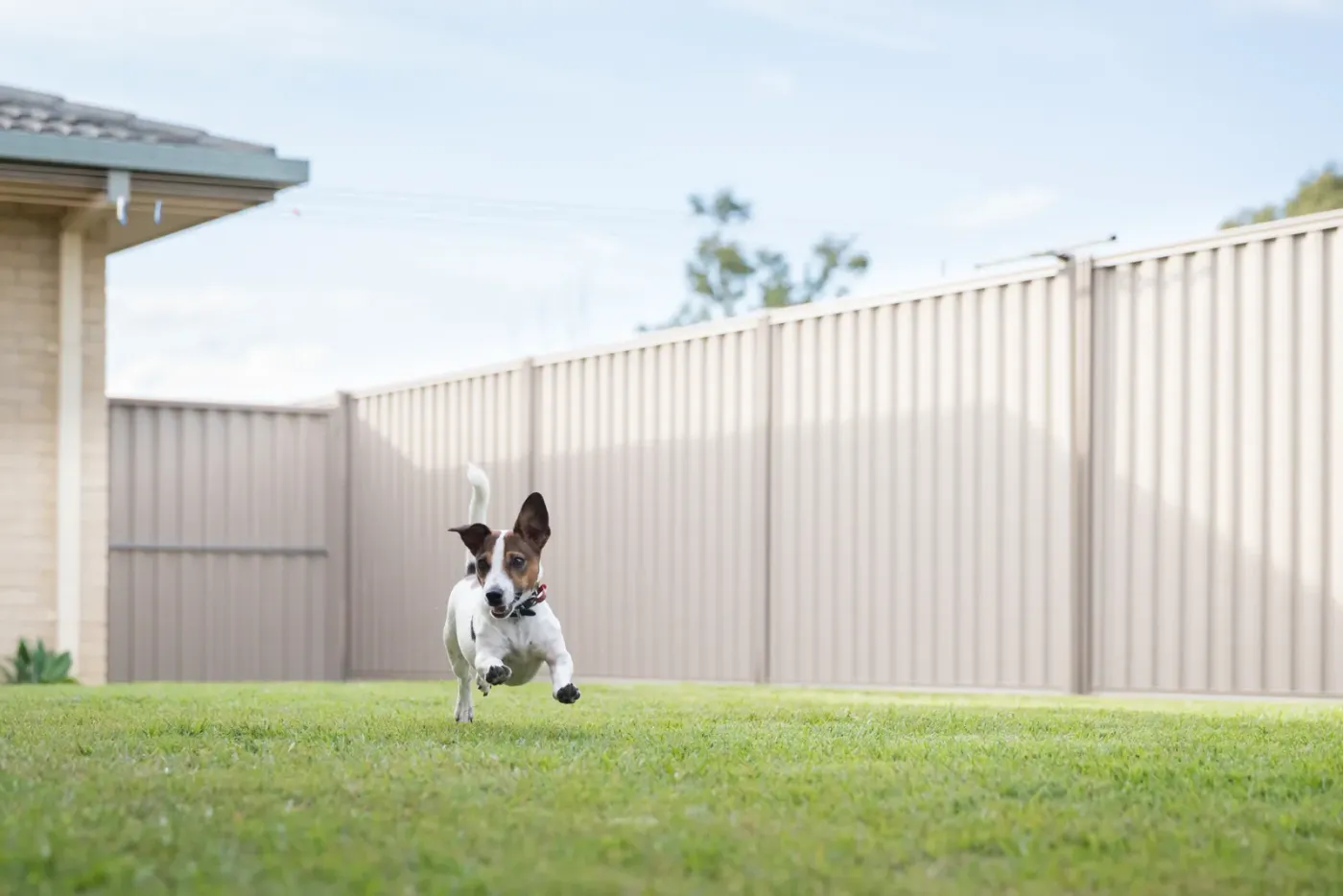
Snack-time setup
Snack time needs a barrier, not a referee.
Every successful steal teaches the dog that small people drop treasure. Before snacks come out, put up a baby gate, close a crate with a chew inside, or have an adult hold the leash in another part of the room. Children eat seated at the table, not on the couch or while walking around. Only adults manage the dog: children never scold it, chase it or reach for food in its mouth, and that goes for visiting kids too.
If the dog already has the snack, the child steps back and calls an adult, and nobody chases or grabs. The adult tosses a few treats a short distance away and picks up any leftovers once the dog moves off, never handing them back. Then the gate or crate goes back up. If the food could harm a dog, call your vet. Stiffening, freezing or growling over stolen food is guarding, which calls for a professional, not a correction.
- Kids eat seated at the table
- Gate up before snacks appear
- Only adults manage the dog
- Trade, never chase or grab
Place on the mat
An adult teaches place while the kids just eat.
Teach place first with no children around: a mat, a cue, and steady rewards for staying until released. Next, practise while an adult eats a snack nearby. Only then bring the mat into family snack time, positioned well away from the children, with the dog leashed and an adult doing all of the cueing and rewarding. The children simply eat. Release the dog only after the food is finished and crumbs are cleared.
Bring in a professional if your dog growls, snaps or guards food near children, jumps at faces, or cannot settle even with distance. Never punish the growl; it is an early warning that keeps everyone safer. Behaviour Rehab accepts dogs with bite histories after a full assessment, Puppy Fundamentals works on place with young pups, and Private Training builds a home plan. The consultation recommends a fit, including a smaller program when it is enough.
Asked and answered
The questions people ask us.
Why does my dog steal food from my kids?
Children hold food at a dog's eye level and drop it often, so many dogs learn that kids are an easy source. It is usually opportunity, not dominance.
My dog just grabbed my child's snack. What do I do now?
Have your child step away and call you, and do not chase the dog or pull at its mouth. Scatter a few treats away from it, collect what is left once it moves off, and put the gate back up before snacks continue.
Should my child tell the dog off for stealing food?
No. Children should never discipline the dog or try to take food back; that can put them at risk. An adult manages the dog, and the child steps away and calls for help.
How do I keep my dog away from the high chair?
High chairs are a favourite snack station for many dogs. Use a gate, a crate or a leashed place mat across the room during meals, and have an adult reward the dog for staying put while the child eats.
What if my dog growls when my child comes near food?
Separate them, do not punish the growl, and book a professional assessment. Guarding around children needs expert eyes before any training starts.
Keep reading
Safer snack times at home
Worried about your dog around your kids' food? Book a consultation and we will recommend a sensible plan.
From real owners
Rated 5.0 on Google.
Real Northline dogs