
The method
How to stop a dog from whining
A whine is a request with no subject line. Some dogs whine for the ball, some because the house feels wrong, some because a hip hurts, and some because the leash just came off the hook. Treat them all the same and you will fix none of them. Sort the whine by what it is for, and the response almost writes itself.
Last reviewed August 26, 2026
Four kinds of whine
Match the response to what the whine is for.
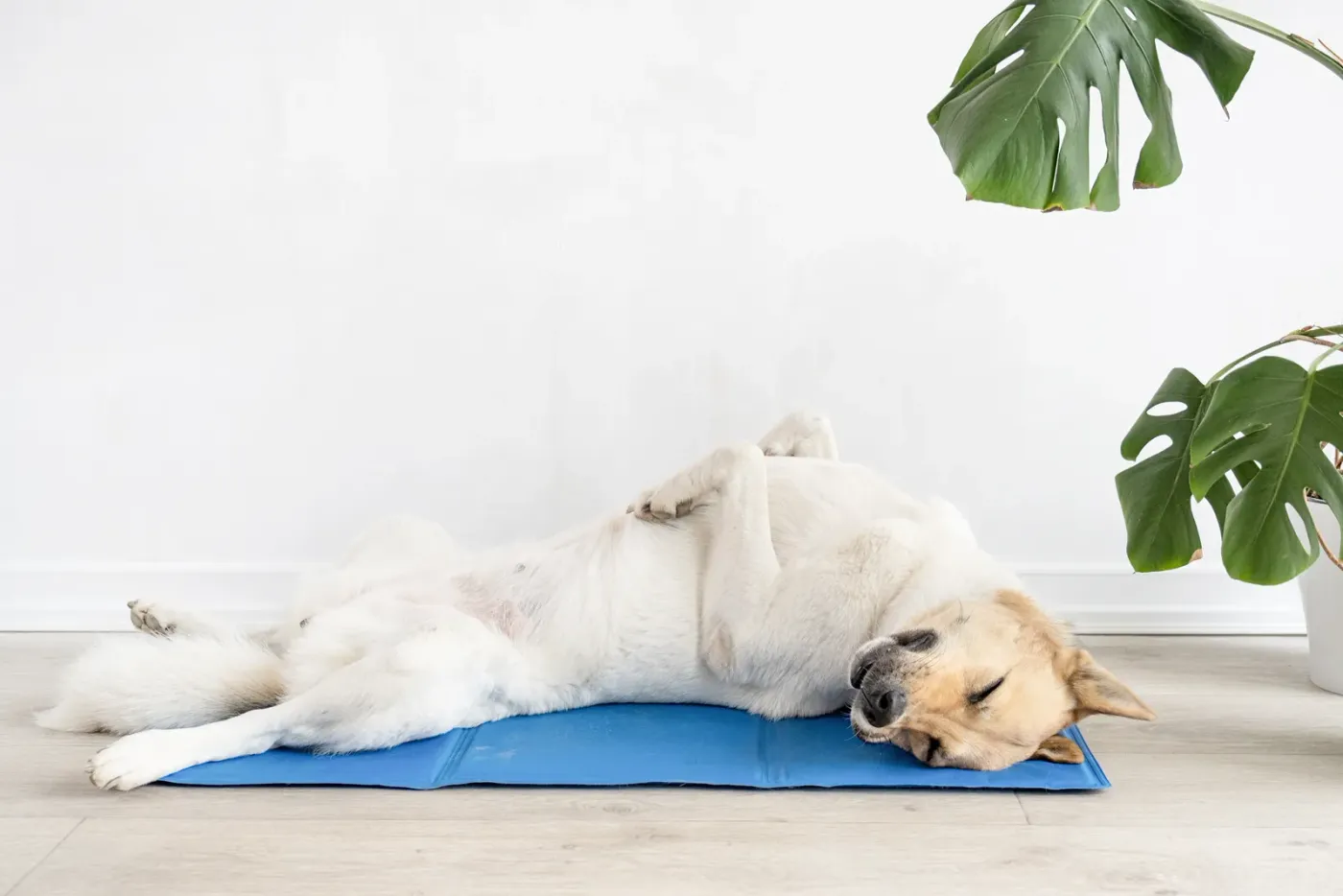
Demand whining is the easiest to spot: it starts when you sit down with food, pick up the leash, or stop petting. It is also the easiest to fix, because it only survives if it pays. Turn away, wait for three seconds of silence, then deliver the thing. Excitement whining at the door or in the car is a cousin of it. Slow the ritual down: leash on, sit, wait, door opens only on quiet. Fast dogs get slow owners.
Anxious whining sounds different: higher, continuous, often paired with pacing, lip licking or following you room to room. Ignoring it does not work because the dog is not asking for anything you can hand over. Build more structure instead: predictable meals, a crate that means rest, and short absences that end before the worry starts. Pain whining is the one people miss. A dog that whines lying down, getting up, or when a particular spot is touched needs a vet appointment before a training plan.
- Wait out demand whining
- Add structure for anxious whining
- Vet check for sudden whining
- Slow down excitement rituals
Crate and car
Whining in the crate and on the road.
Crate whining on night one is normal and mostly about novelty. Crate whining in week three is a training gap. Feed every meal in the crate with the door open, then closed for a minute, then five, always releasing on quiet. Cover three sides, leave a safe chew inside, and do the final pee break right before lights out. The door never opens mid-whine. Wait for the breath, then release.
Car whining is either excitement about the destination or nausea about the ride. A dog that whines only on the way to the off-leash park and rides home silent is excited. A dog that drools, yawns and whines on every trip is queasy. For the excited dog, crate or seatbelt it so it cannot pace, drive somewhere boring first, and sit parked until quiet before the door opens. For the queasy dog, short empty-stomach trips that end somewhere pleasant rebuild the association.
The programs
Help built for worried dogs.
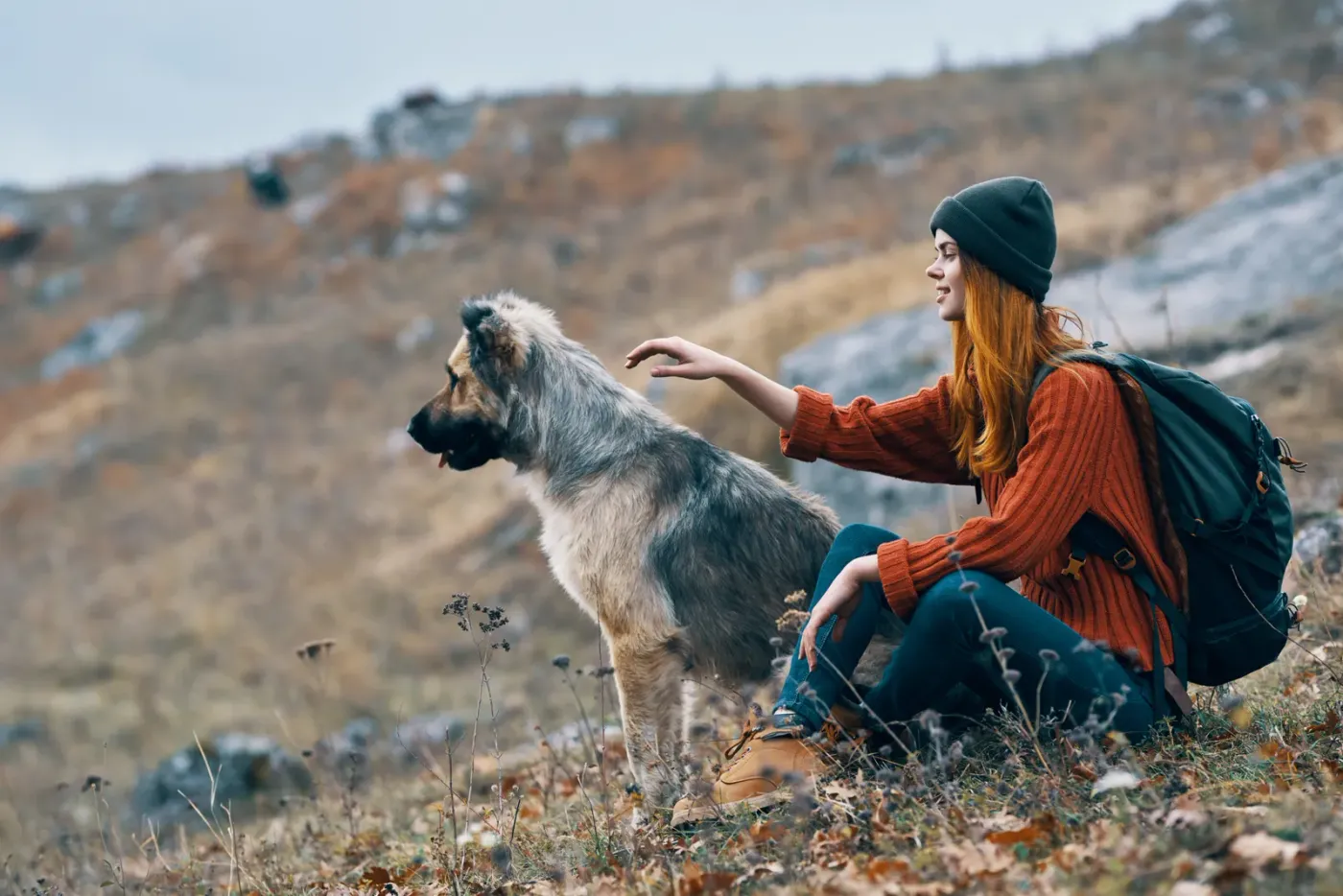
Fear work rewards structure and patience. These are the formats that provide both.
W · One-hour session
Private Training
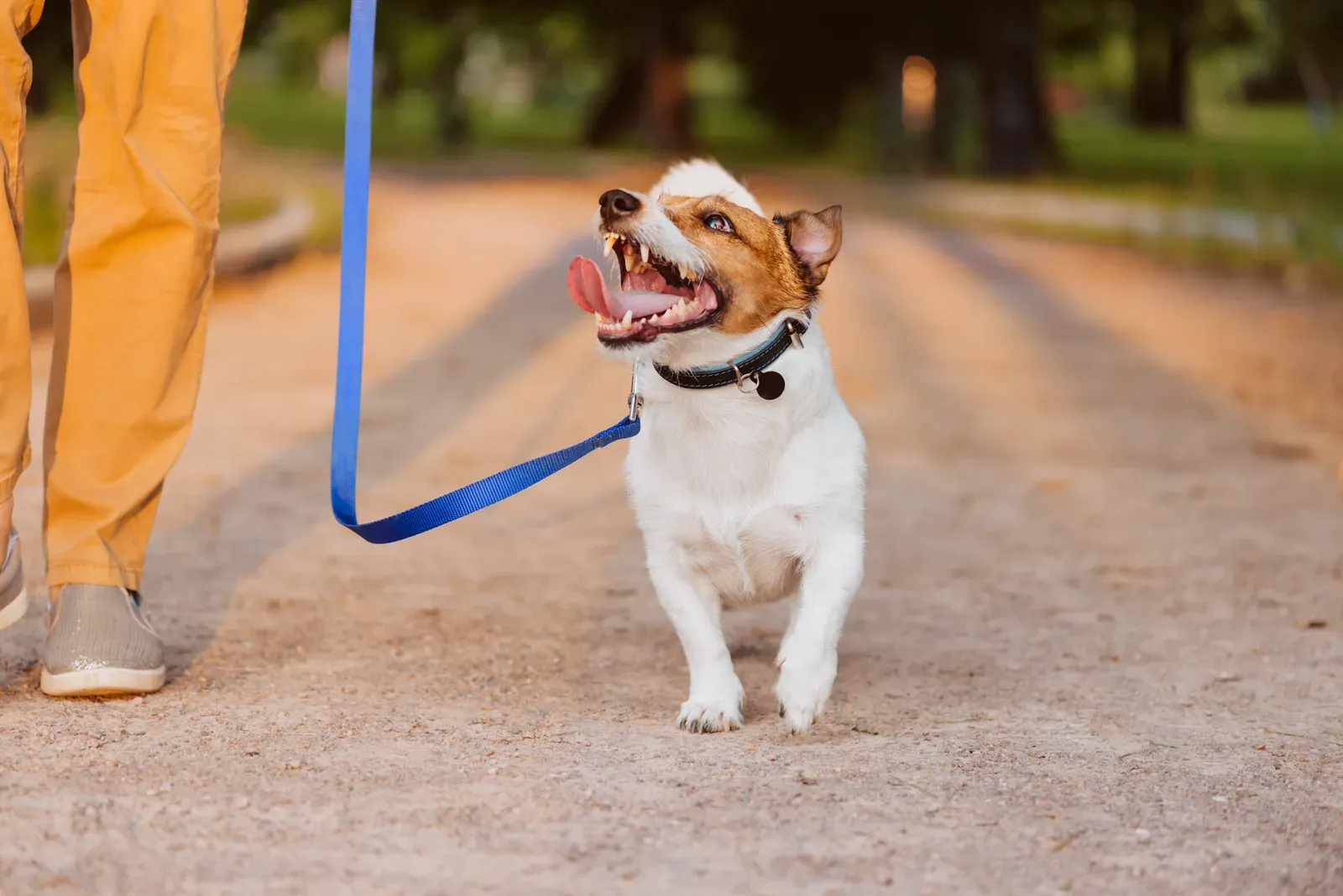
One-on-one coaching with you on the other end of the leash.
Includes a written weekly plan to work from
S · 5–6 week board & train
Behaviour Rehab
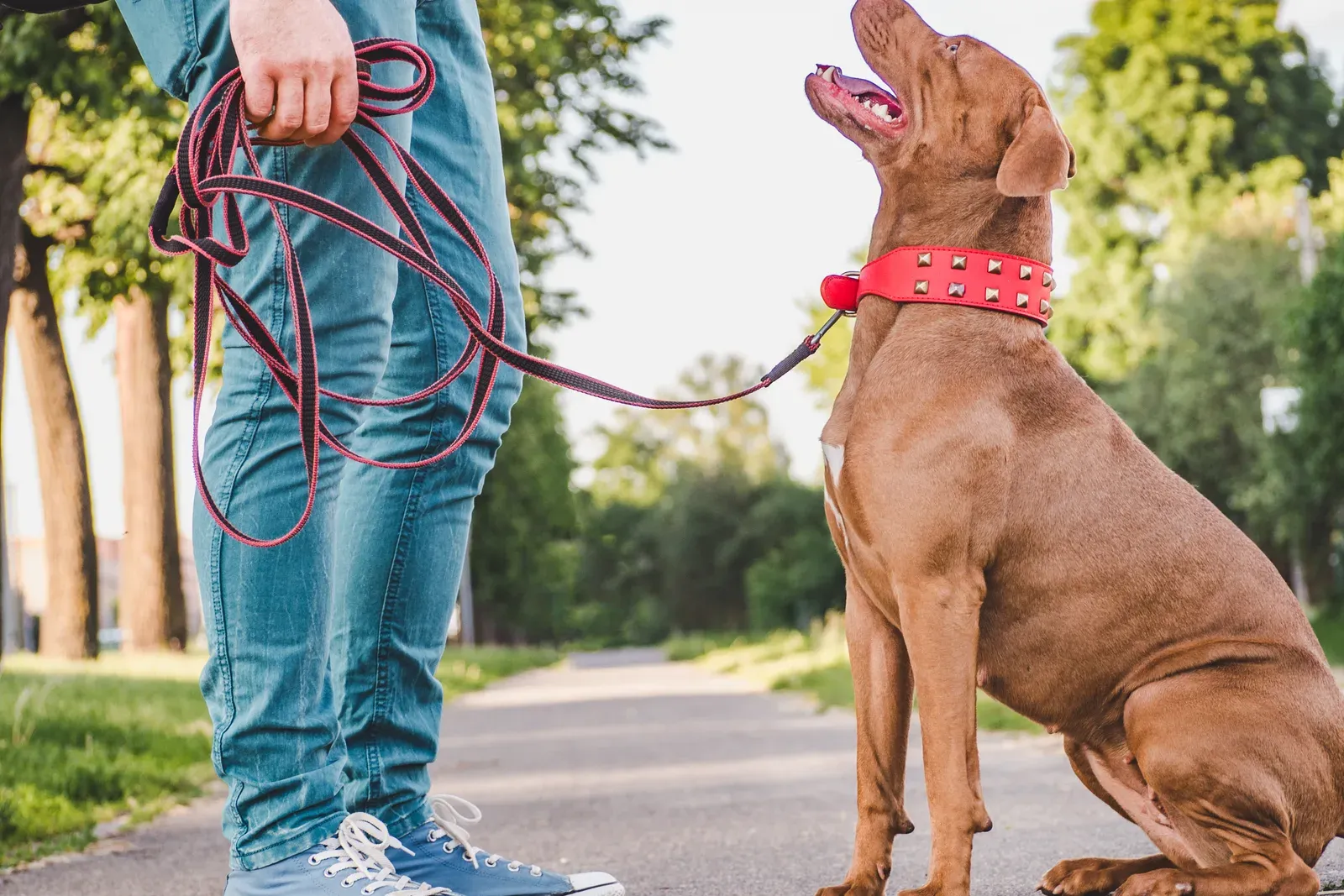
Kaitlin's specialty, and the work she loves most.
Includes assessment-built plan, 2 follow-ups, deep owner education
Asked and answered
The questions people ask us.
How do I stop my dog from whining all the time?
Constant whining is rarely one thing. Keep a two-day log of when it starts and what stops it, and a pattern usually appears: attention, food, the door, or a certain time of night. Then address that single trigger first rather than the whining itself.
How do I stop my dog from whining at night?
Rule out a full bladder and a cold or cramped sleeping spot first. Then move the crate closer to you for a week and never let the whine be what opens the door. A young dog may still need one middle-of-the-night pee break.
How do I stop my dog from whining in the crate?
Make the crate the place meals happen, then build closed-door time in minutes, not hours, releasing only on quiet. Leave a chew in, and put the dog in when it is tired rather than wound up. If the dog panics, drools or damages the crate, that is anxiety, and the crate alone will not fix it.
How do I stop my dog from whining when I leave?
Shrink the departure. Pick up keys and sit back down, step outside for ten seconds and return, and stretch the absences only as long as the dog stays quiet. Skip the long goodbye; the calmer you leave, the less there is to whine about.
Keep reading
Decode the whine together
Whining with a worried edge often traces back to anxiety. Book a consultation and we will assess what the noise is really asking for.
From real owners
Rated 5.0 on Google.
Real Northline dogs