
The method
Dog anxiety during fireworks
Fireworks are harder than thunder for a lot of dogs. They are louder, closer, sharper, and they arrive on a human schedule the dog cannot read. The upside of a human schedule is that you can read it. In Calgary, July brings Canada Day and then Stampede, so the plan below is built to be finished before the first of them.
Last reviewed August 26, 2026
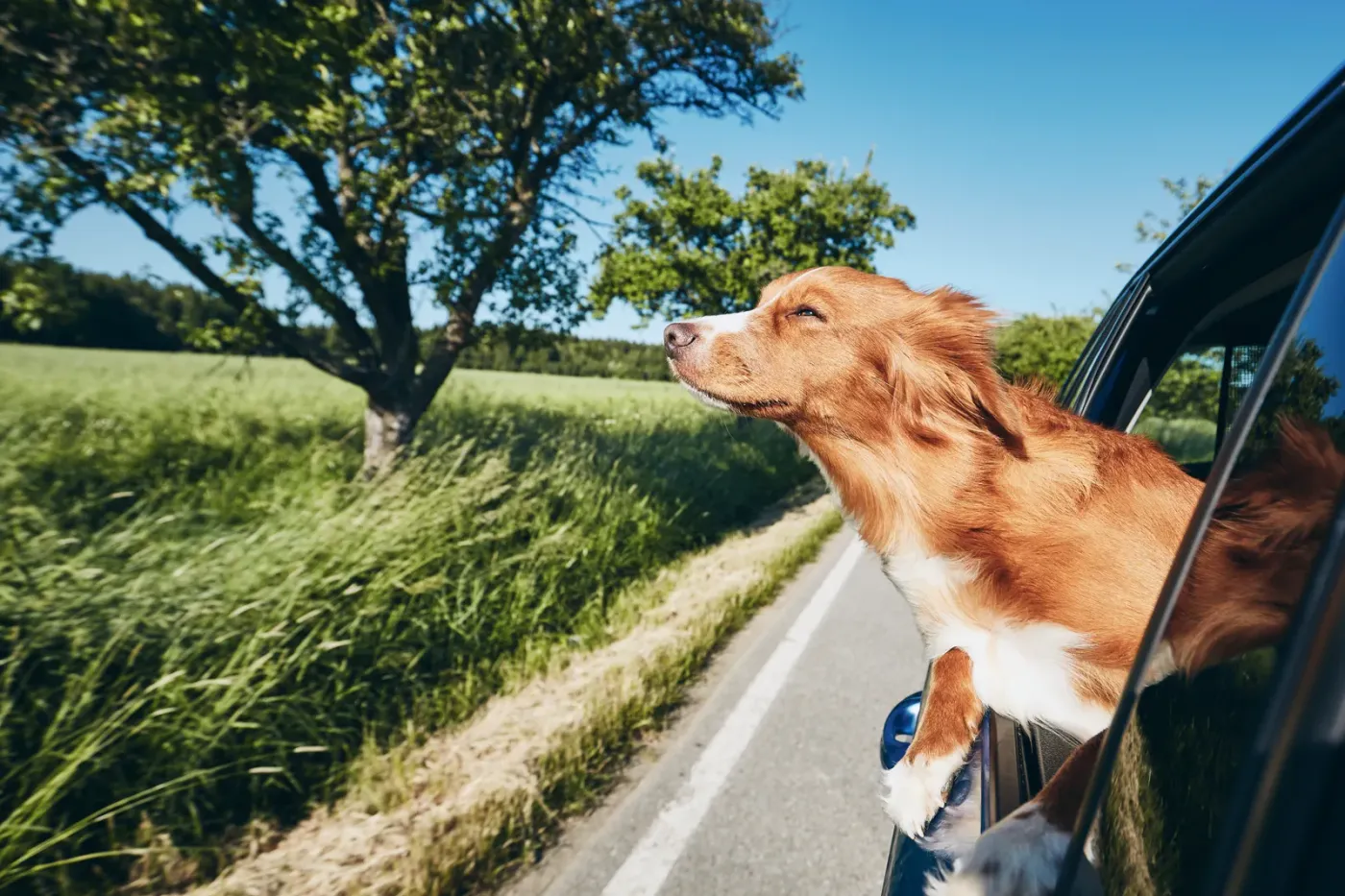
Three-stage plan
Most of the work happens weeks before the first bang.
Start at least a month out. Play firework audio at a whisper while the dog eats, and nudge the volume up every few days; if the dog stops eating, you went too fast, so drop back. Build a hideout in an interior room: a covered crate or a closet with bedding and a chew, used on ordinary evenings so it is familiar on the night. Update the tag and microchip details now, because a spooked dog through an open gate is the real emergency.
On the night: long walk and dinner before dusk, then the last toilet trip on a leash, even in a fenced yard. Blinds shut, lights on, a fan or the TV loud, and then behave like it is any other Tuesday. Sit near the hideout without hovering. If the dog leans on you, calm touch is fine; cooing and coaxing are not. The next day, skip the park, take a short leash walk, and watch for lingering startle at doors. Write down what helped.
- Audio work a month out
- Hideout used on ordinary nights
- Last toilet trip on leash
- Keep the next day quiet
Calgary in July
July asks the dog to cope twice.
Canada Day is one evening, and the night-of routine will usually carry a prepared dog through it. Stampede is different because it is not one evening. Fireworks can come on more than one night across the run, so a dog that just recovered gets asked again, and later rounds can hit harder than the first. Plan for a stretch, not a night: earlier walks all week, the hideout open throughout, and the audio work already finished, not started, by late June.
Distance from the fireworks changes everything, and so does the dog's history. For a dog whose only problem is fireworks, private training at $150 per one-hour session with a written weekly plan is the honest size: we set the audio protocol and hideout routine in spring and check in as July nears. If the fear has spread to the yard, dusk walks or any bang, Behaviour Rehab after a full assessment is the bigger conversation. Our Calgary and quadrant pages cover where we work.
The programs
Help built for worried dogs.
Fear work rewards structure and patience. These are the formats that provide both.
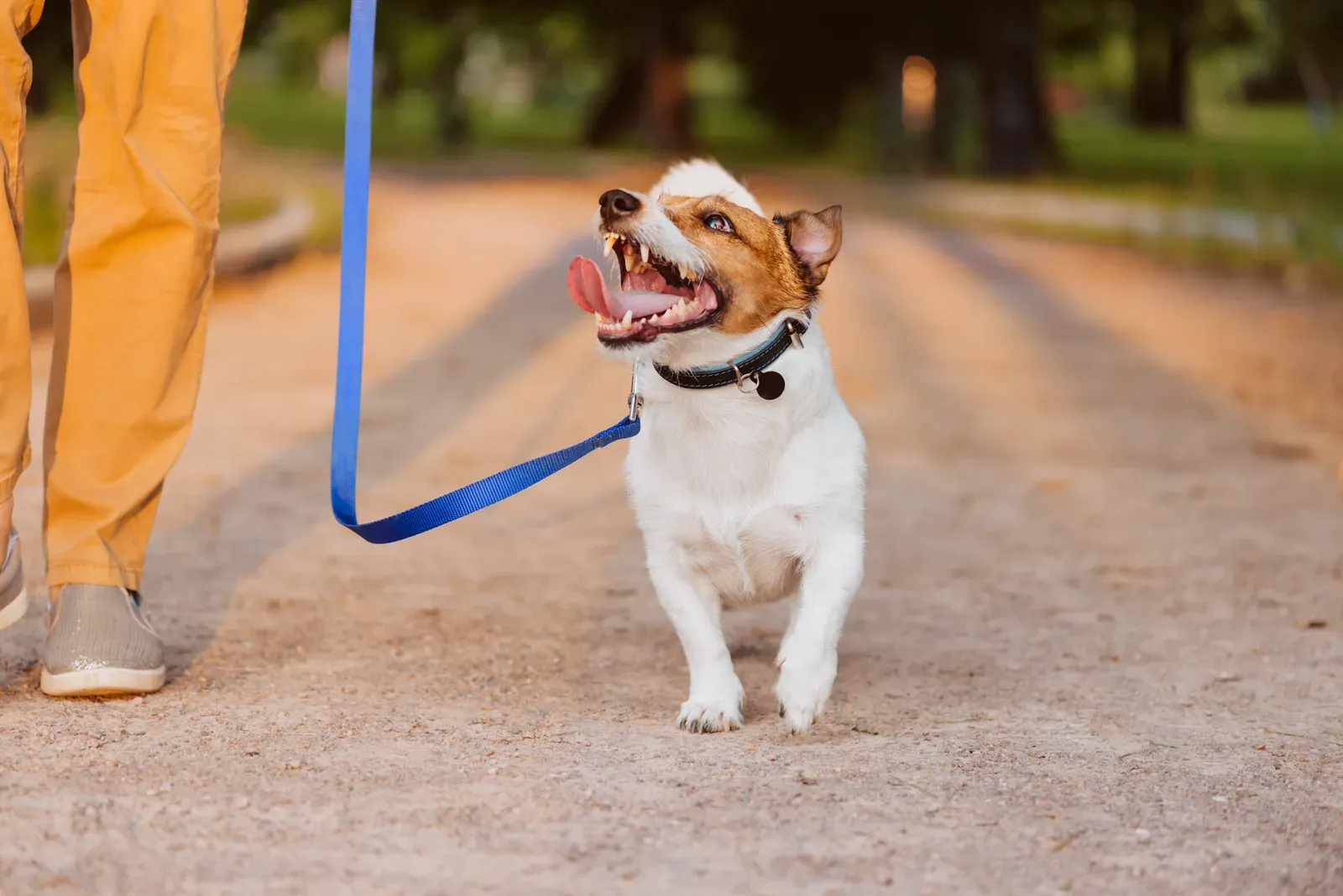
W · One-hour session
Private Training
One-on-one coaching with you on the other end of the leash.
Includes a written weekly plan to work from
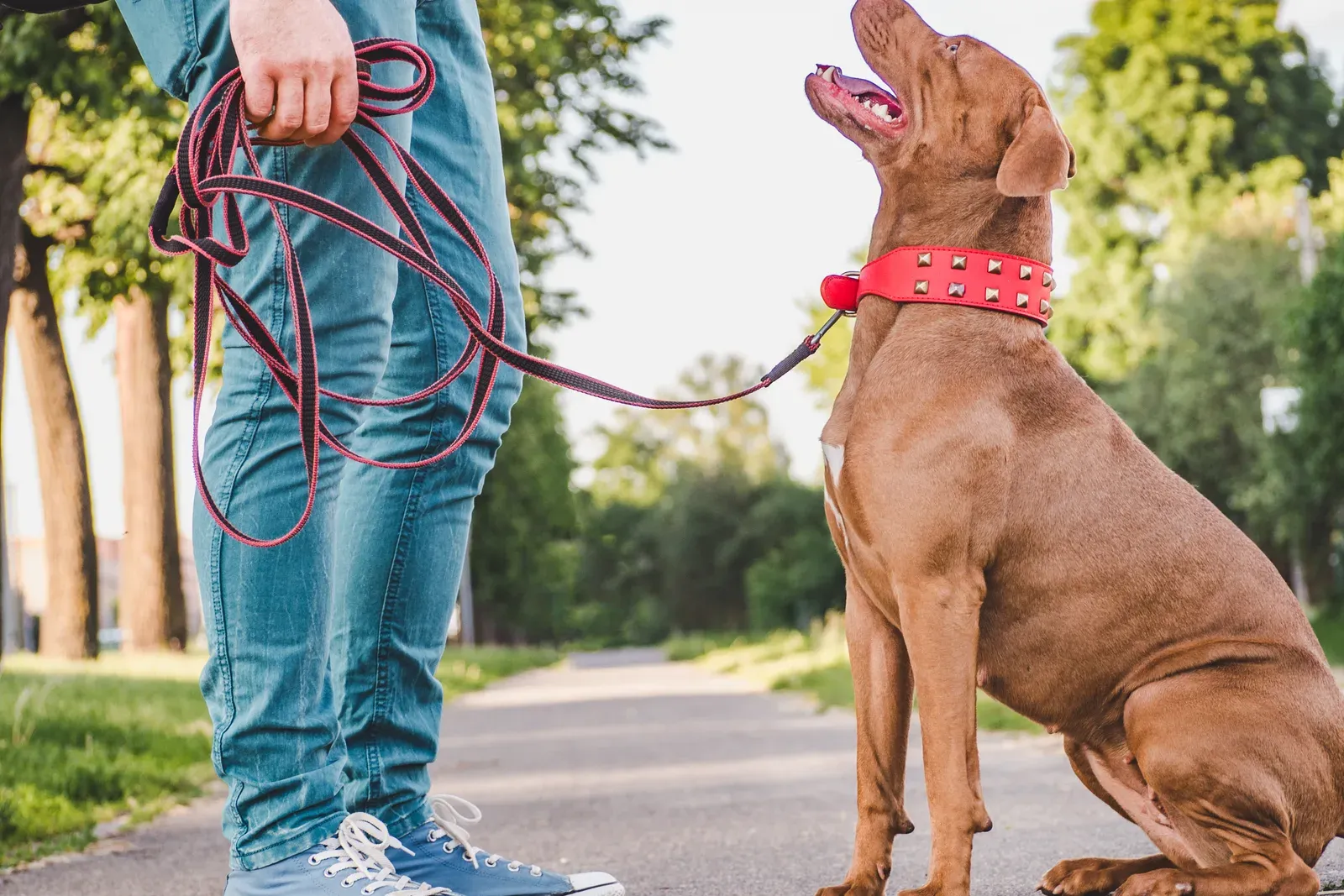
S · 5–6 week board & train
Behaviour Rehab
Kaitlin's specialty, and the work she loves most.
Includes assessment-built plan, 2 follow-ups, deep owner education
Asked and answered
The questions people ask us.
How do you calm a dog down during fireworks?
Close the house up, run steady noise, open the hideout and stay nearby without fussing. Calm touch if the dog asks for it; no coaxing, no scolding, no dragging it out to see that everything is fine. The calmest thing in the room should be you.
What is the best dog fireworks anxiety treatment?
There is no single treatment. Gradual audio desensitization, a hideout the dog trusts and a boring night-of routine do the heavy lifting; for dogs that panic, a vet can add medication for the night. Trainers set the routine and vets handle the medication.
Is there any dog fireworks anxiety relief that works the same night?
Management works the same night: blinds, noise cover, a covered crate, an early walk and dinner, and a leash for the last toilet trip. It reduces exposure rather than fear. The fear itself takes weeks of quiet audio work to shift.
How do you calm a dog down from fireworks the next day?
Keep it quiet. Short leash walks, no busy parks, meals on schedule and plenty of sleep. If the dog is still jumping at doors or refusing the yard days later, that is the sign the fear is spreading and worth a proper look.
Keep reading
Start before the first bang
Tell us how last July went for your dog. Book a consultation and we will start the audio work while there is time.
From real owners
Rated 5.0 on Google.
Real Northline dogs