
The method
How to calm a dog with anxiety
Anxious dogs are tiring to live with because nothing you try seems to land. The extra walk does not help. The reassurance does not help. Usually that is because the dog is not being asked to do less; it is being asked to guess more. This guide separates the three states owners mix up, then lays out the routine that lets an anxious dog stand down.
Last reviewed August 26, 2026
Three different states
Anxiety, fear and excitement look alike from the couch.
Fear has an object: the vacuum, the man in the hat, the slippery floor. It spikes and then ends when the thing goes away. Excitement points upward: bouncing, a high tail, whining at the door before a walk. Anxiety is the diffuse one. Pacing with no trigger in sight, unable to settle even when tired, scanning the room, shadowing you. The distinction matters because you remove the trigger for fear, wait out excitement, and for anxiety you change how predictable the dog's day is.
Predictability is the medicine. Same wake time, same meals, same walk, same rest, and rest is scheduled, not hoped for: a crate or a place bed for an hour or two mid-day, every day. Decompression walks on a long line where the dog sniffs and nobody manages it. Then training in three-minute sessions that teach one clear thing with a marker and food, so the dog experiences being right daily. Confidence is built from earned wins, not from being told it is okay.
- Name the state first
- Same schedule every day
- Rest is scheduled, not optional
- Short sessions the dog wins
When it runs deeper
Some anxiety needs a vet before a trainer.
Call the vet when the dog is not eating, not sleeping, licking a paw raw, panicking alone to the point of damage, or showing no change after several weeks of a consistent routine. The vet's job is to rule out pain and medical causes and, where it fits, to add medication that lowers the baseline enough for training to land. Medication is a bridge to the work, not a replacement for it, and the two together tend to move faster than either alone.
Behaviour Rehab is our program for anxiety, reactivity and aggression: five to six weeks of board and train, $4,850 to $5,760 + GST, customized after a full assessment, with two follow-ups and deep owner education. It addresses the full picture: routine, threshold, skills that give the dog something to do instead of worry, then teaches you to run it all at home. Plenty of anxious dogs do better with private training in their own house at $150 per one-hour session, and we will say so.
The programs
Help built for worried dogs.
Fear work rewards structure and patience. These are the formats that provide both.
W · One-hour session
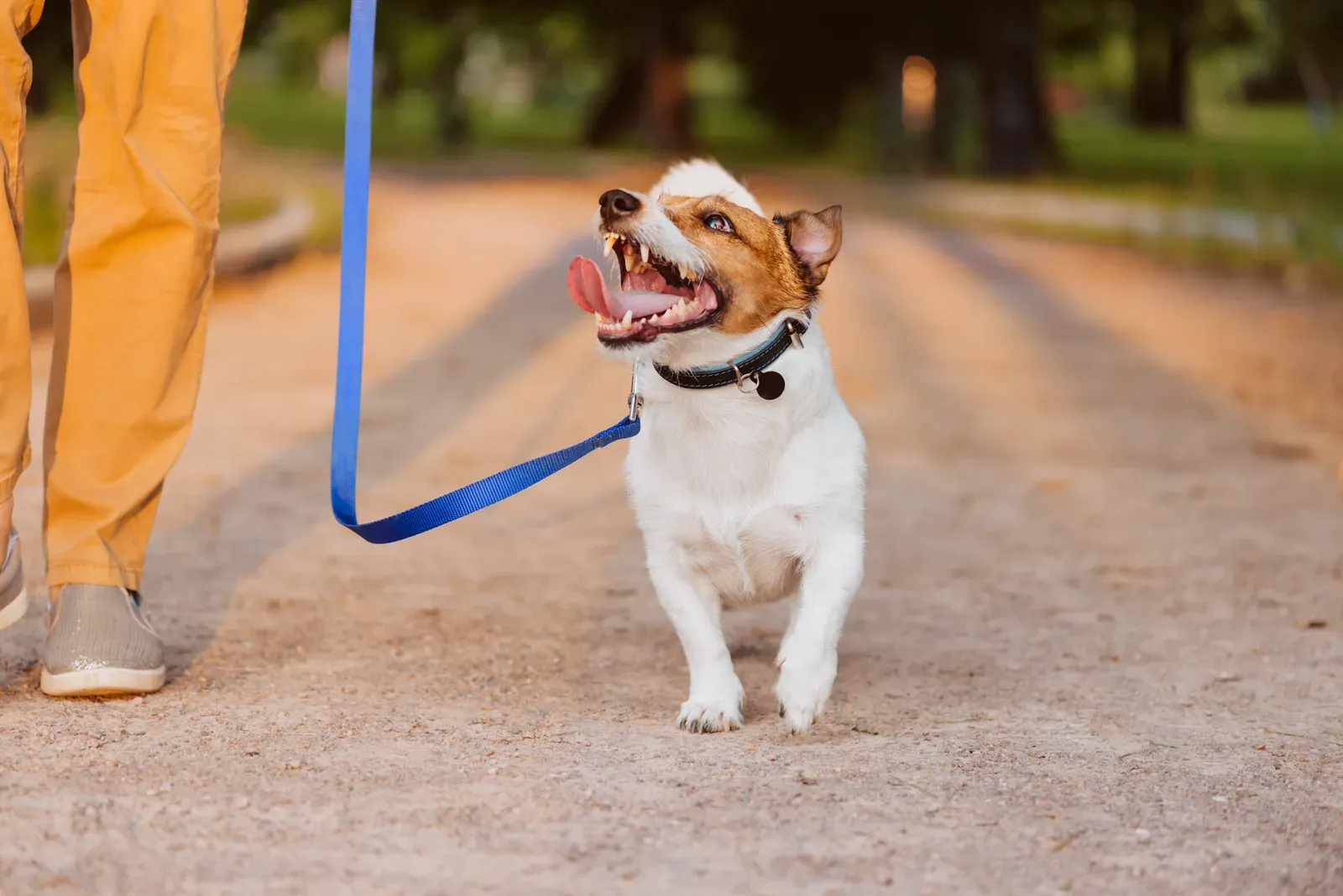
Private Training
One-on-one coaching with you on the other end of the leash.
Includes a written weekly plan to work from
S · 5–6 week board & train
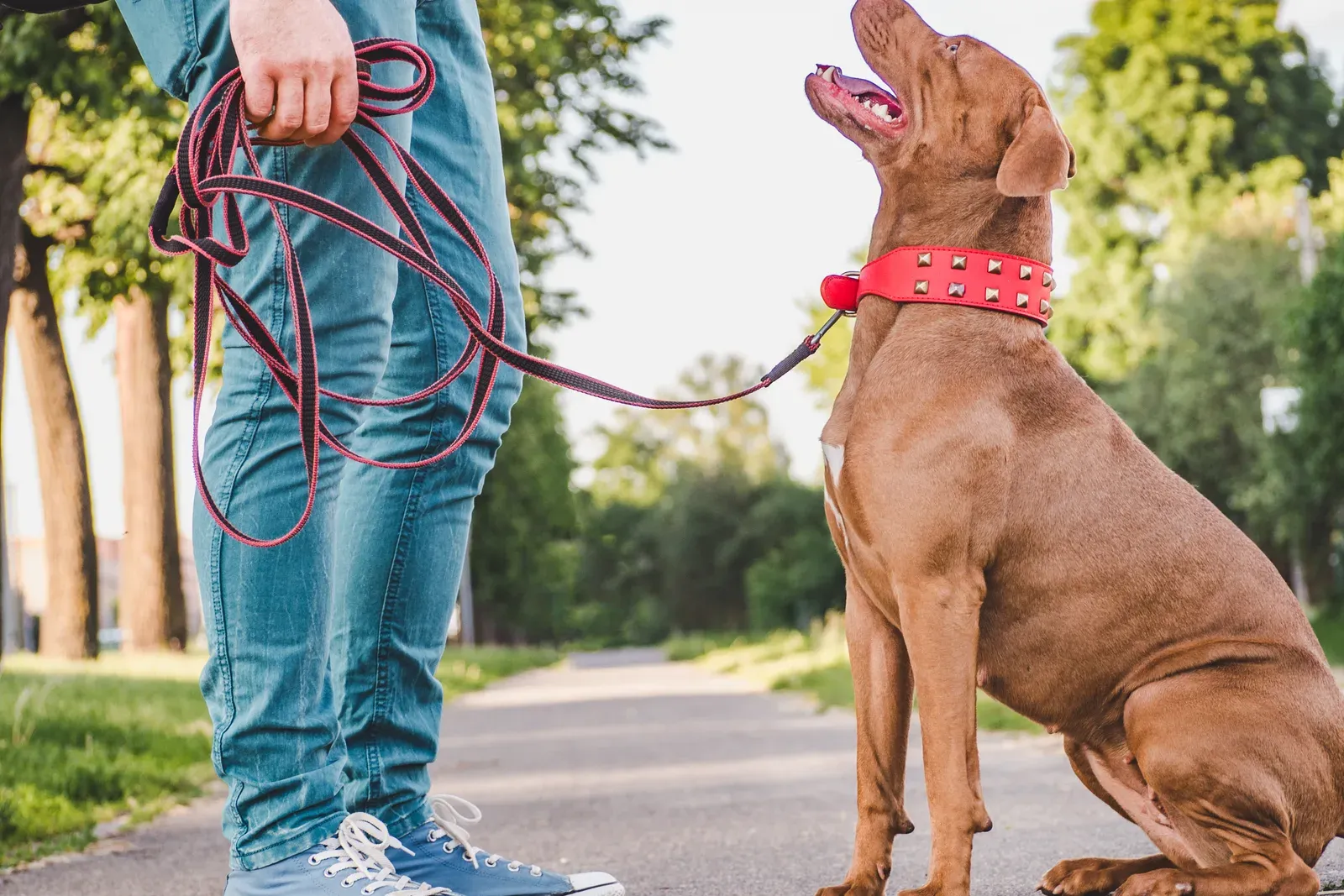
Behaviour Rehab
Kaitlin's specialty, and the work she loves most.
Includes assessment-built plan, 2 follow-ups, deep owner education
Asked and answered
The questions people ask us.
How do you calm a dog down from anxiety naturally?
Routine does more than any supplement: fixed meal, walk and rest times, enforced naps, sniffy walks on a long line and a few minutes of easy training a day. Natural does not mean without a vet, though. A dog that cannot eat or sleep needs one.
How do you get a dog to relax at home?
Teach a place bed with food and a marker, then use it at the same times daily until the dog settles there without being asked. Cut the constant stimulation: fewer toys out, fewer visitors for now, a covered crate for real sleep. Tired is not the same as relaxed.
How do you teach a dog emotional regulation?
By making the environment predictable enough that the dog stops bracing, then giving it small wins it can bank. Marker training, a place command, and being released from it calmly all teach the dog that arousal goes up and comes back down. Regulation is practised, not explained.
How do you teach a dog self regulation when it cannot settle?
Start with structure the dog does not have to manage: scheduled rest in a crate, meals at set times, walks that are sniffing rather than stimulation. Add short training that ends with a calm release. If weeks of that change nothing, get a vet and a trainer looking at it together.
Keep reading
Sort the state, then the plan
Describe a typical evening with your dog. Book a consultation and we will tell you whether it is home routine or Rehab.
From real owners
Rated 5.0 on Google.
Real Northline dogs