
The method
How to stop a dog being aggressive to other dogs
There is a difference between a dog who barks at other dogs and a dog who means it. If yours has made contact, drawn blood, or goes silent and stiff before launching, you are past the point where a pocket of treats fixes things. This page walks through what to do this week to keep everyone safe, how to read what is driving the aggression, and what a real rehabilitation program looks like.
Last reviewed August 26, 2026
Safety before training
Stop the rehearsals, then find the reason.
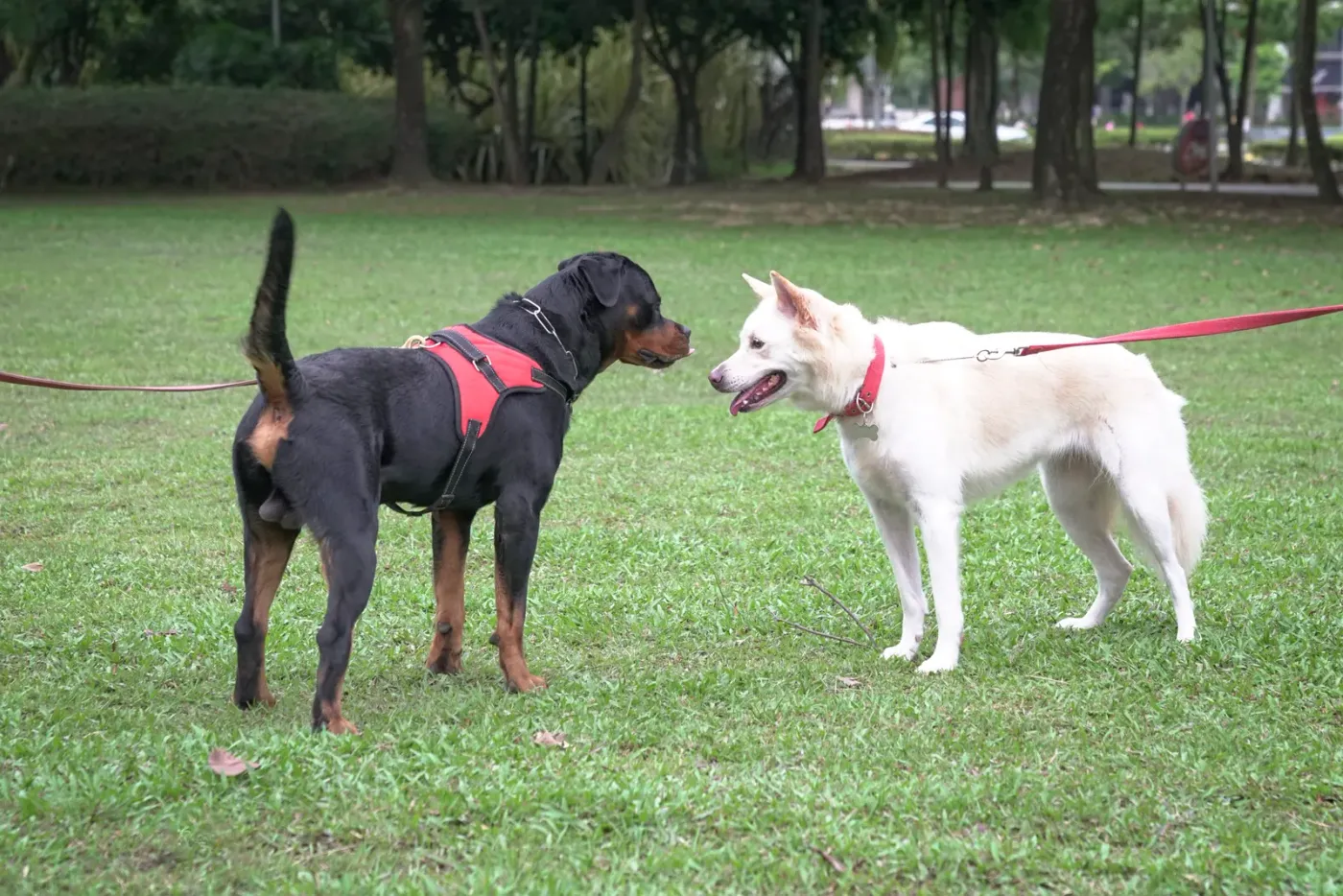
Management is not the cure, but nothing else works without it. Retire the dog park and the retractable leash. Walk on a slip lead or prong collar, with the leash short enough to control the head, and cross the street early rather than gambling on a passing dog. If your dog has bitten, a basket muzzle is not an admission of failure. It is what lets you keep training in public without a second incident.
Then look at the why, because it changes the plan. The fearful dog wants distance: ears back, weight shifted away, aggression that switches off once the other dog leaves. The frustrated dog wants contact and cannot have it: a leash-straining, screaming dog who plays well off leash. The selective dog is fine with most dogs and hard-wired against a type: intact males, pushy adolescents, dogs who stare. Fear needs space and confidence, frustration needs impulse control, and selectivity needs honest lifelong management.
- No dog parks, no greetings
- Short leash, controlled head
- Muzzle train after any contact
- Name the cause before training
Real rehabilitation
What weeks of structure can and cannot change.
Behaviour Rehab is a 5 to 6 week board and train for anxiety, reactivity and aggression, $4,850 to $5,760 plus GST, with the plan set after a full assessment. The first stretch builds a structured routine and a dog who is no longer rehearsing the fight every day. Skills come next, taught with markers and rewards, then proofed in structured socialization with tools matched to the individual dog and introduced properly. You get updates, a handover lesson, two follow-ups and deep owner education.
The part nobody likes hearing: a dog with a history of fighting is not going back to the off-leash park, and a plan that promises otherwise is planning your next incident. What rehabilitation delivers is a dog who walks past other dogs on a loose leash, holds a down while one passes, settles at a patio and is trustworthy with the dogs you introduce carefully. That is a full life. The dog park was never the goal; a dog you can take places is.
The programs
Extra hands for the introductions.
When the mix needs a professional read, these are the options.
W · One-hour session
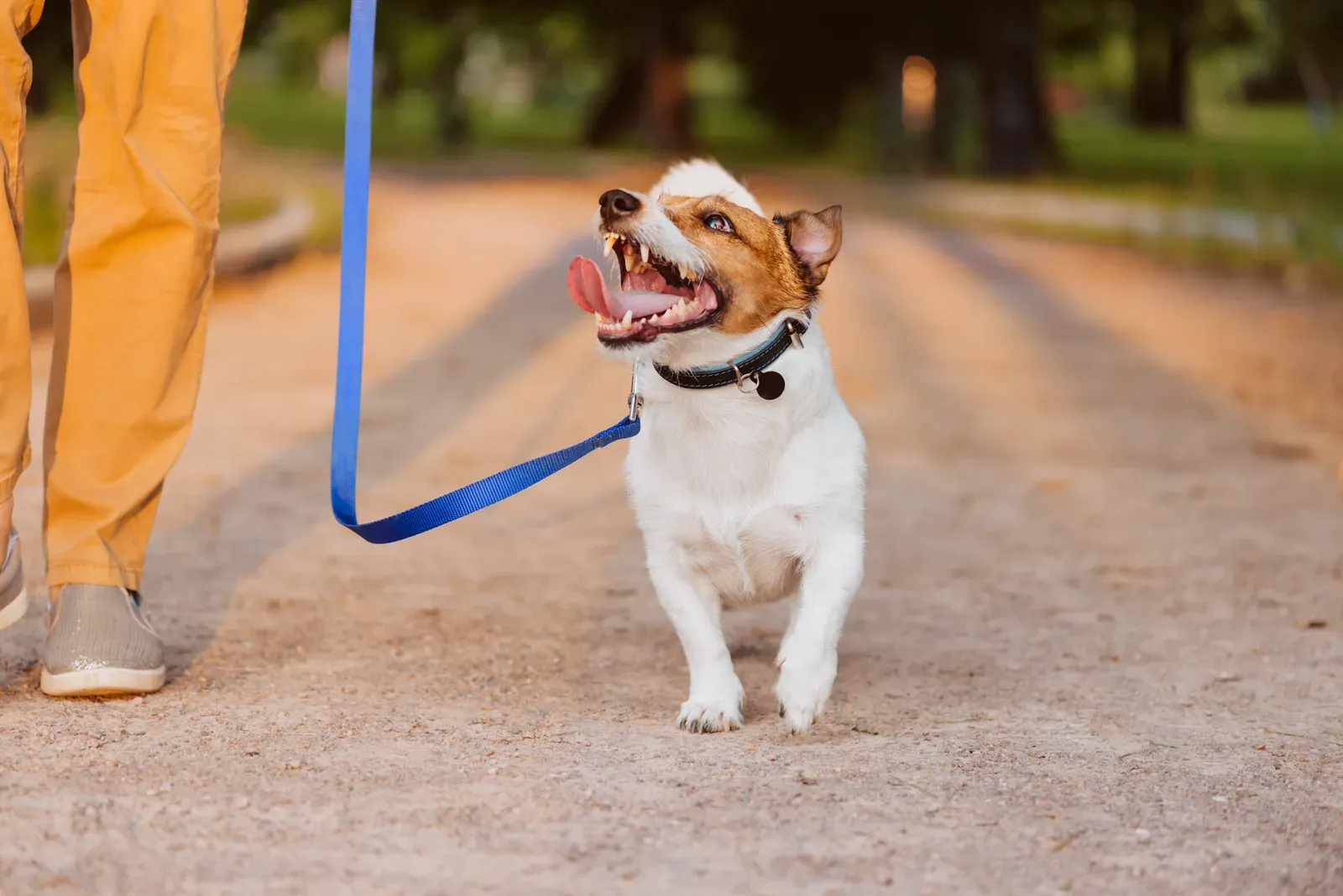
Private Training
One-on-one coaching with you on the other end of the leash.
Includes a written weekly plan to work from
S · 5–6 week board & train
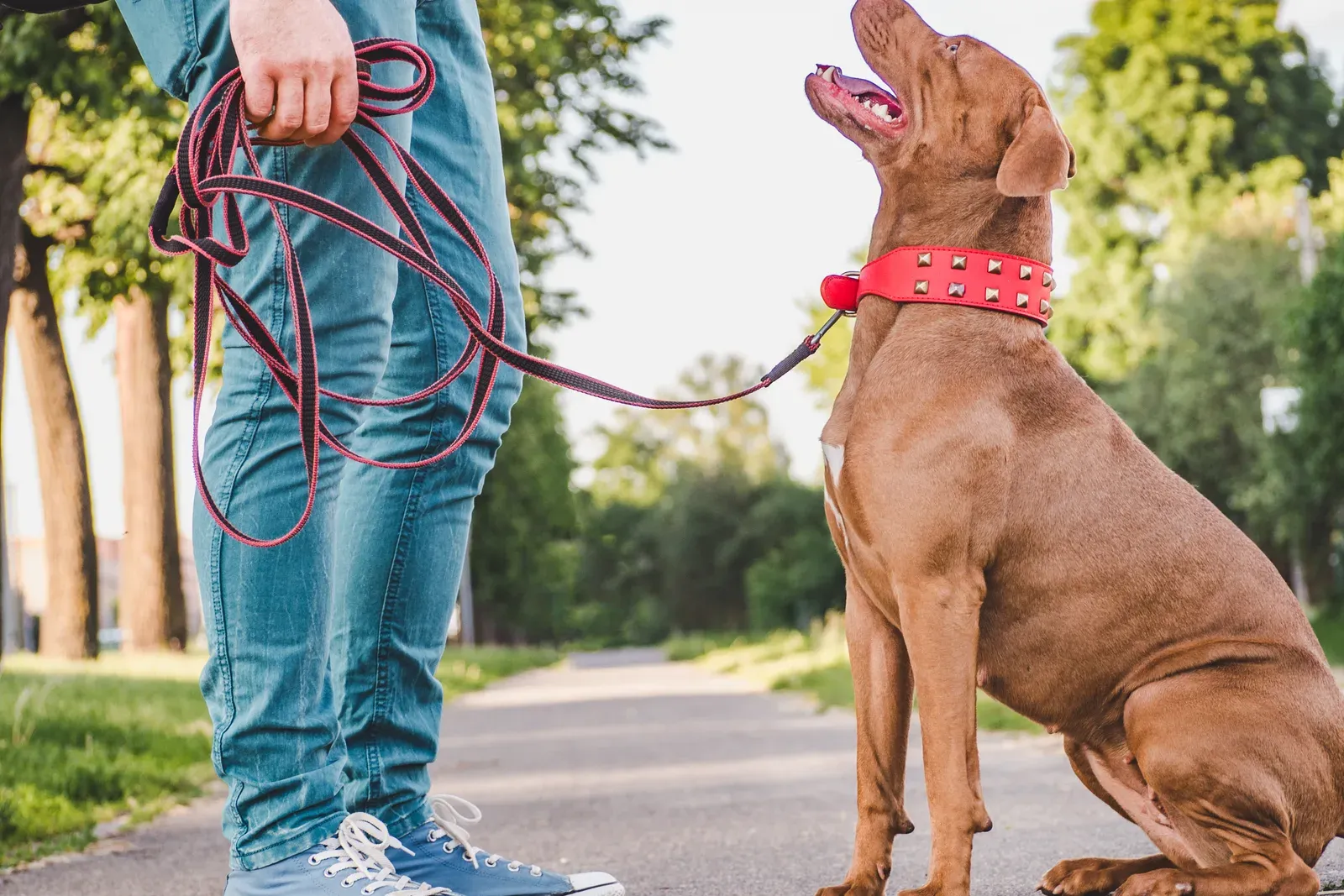
Behaviour Rehab
Kaitlin's specialty, and the work she loves most.
Includes assessment-built plan, 2 follow-ups, deep owner education
Asked and answered
The questions people ask us.
How do I get my dog to not be aggressive towards other dogs?
Start by removing every chance to practise it: no parks, no on-leash greetings, and a setup you can hold under load. Then get an honest read on the cause, since fear, frustration and selectivity are trained differently. For a dog who has made contact, that read should come from a professional assessment, not a guess.
How do I stop my dog from lunging at other dogs?
Lunging usually starts with too little space, so add distance before you add training. Teach that the sight of another dog predicts a reward from you, and turn away before the tension peaks. If the lunge comes with silence and a hard stare rather than noise, treat it as aggression and get an assessment.
How do I stop my dog from growling at other dogs?
Do not correct the growl. It is the warning that keeps a snap from becoming a bite, and a dog who has been corrected out of growling goes straight to the bite. Note what triggered it, add distance, and build a plan that changes how your dog feels about that situation.
How do I stop my dog from fighting other dogs?
A dog who has been in real fights needs management before training: leash, muzzle, and no unsupervised contact with other dogs, housemates included if the fights happen at home. Then a full assessment to work out what the fights are about. This is Behaviour Rehab territory, not a weekend fix.
Keep reading
Start with a full assessment.
Describe the incidents, the dogs involved and what your dog does before contact. We will tell you what is realistic. Book a consultation.
From real owners
Rated 5.0 on Google.
Real Northline dogs