
The method
How to socialize a dog with people and children
The common advice is to let every stranger feed your dog treats. For a confident puppy, maybe. For a worried adolescent or a rescue with a fear history, it teaches the dog that people bring pressure. Better socialization looks quieter: distance the dog can handle, the freedom to opt out, and a reward for simply noticing a human. Children get their own section, because children are not small adults.
Last reviewed August 26, 2026
Calm exposure
Pay the dog for looking, not for saying hello.
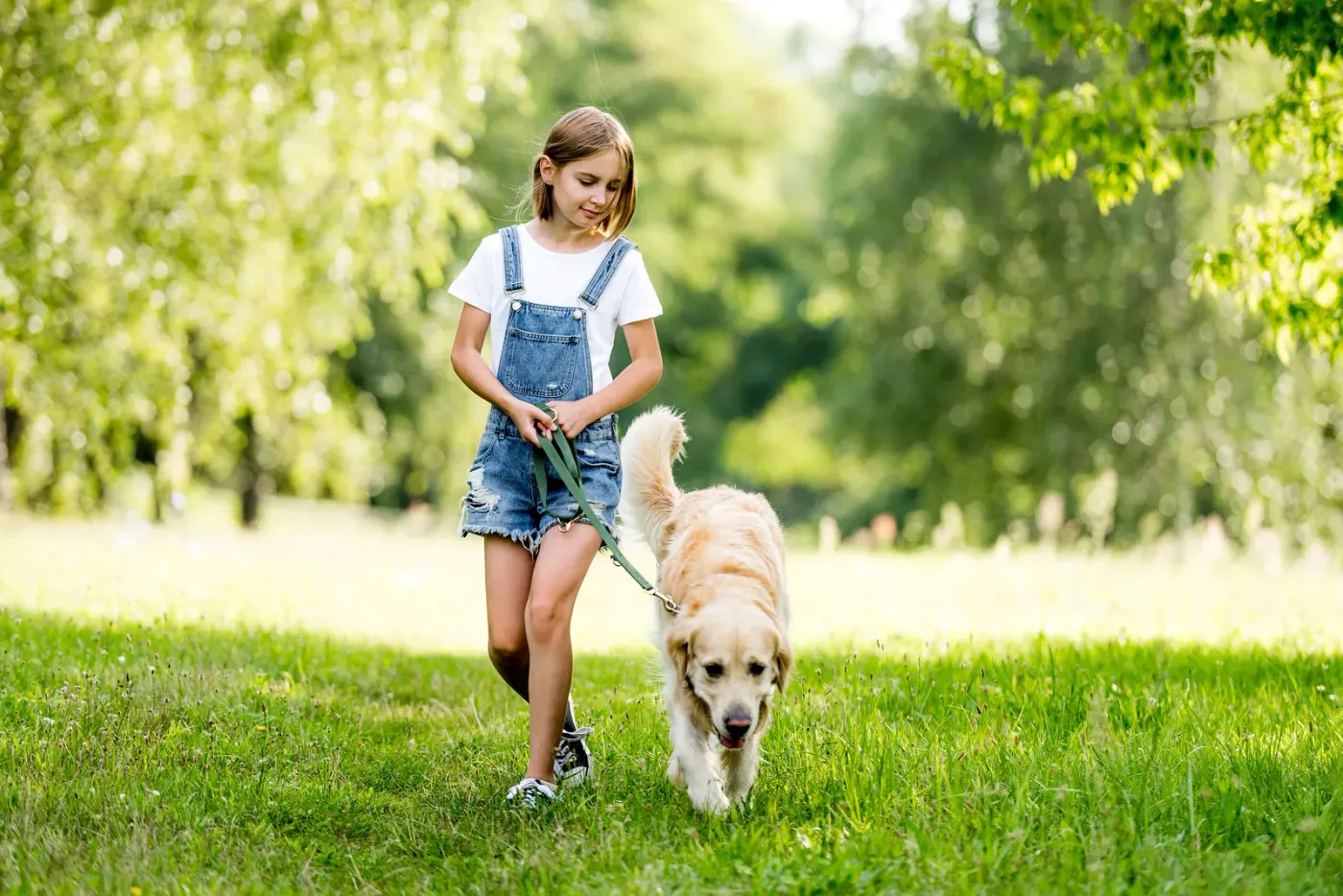
Find the distance where your dog can see a person and still take food with a soft mouth. That distance is your classroom: a bench at the edge of a plaza, a quiet sidewalk, the far side of a parking lot. When the dog glances at a passerby, mark the moment and pay it. You are teaching a reflex: person appears, check in with the human, good things happen. Nobody needs to touch the dog for this to count as socialization.
Choice is the other half. Keep the leash loose and let the dog decide whether to approach a person or stay behind you; both answers are correct. Coach the humans, too: no looming, no reaching over the head, side-on body language, and if the dog approaches, a chest scratch and then a break. Calm exposure repeated over weeks builds a dog that finds people boring in the best way. Forced greetings build a dog that finds them alarming.
- Distance where food still works
- Mark and pay every glance
- The dog chooses to approach
- No forced greetings, ever
Kids and history
Children follow rules before the dog meets them.
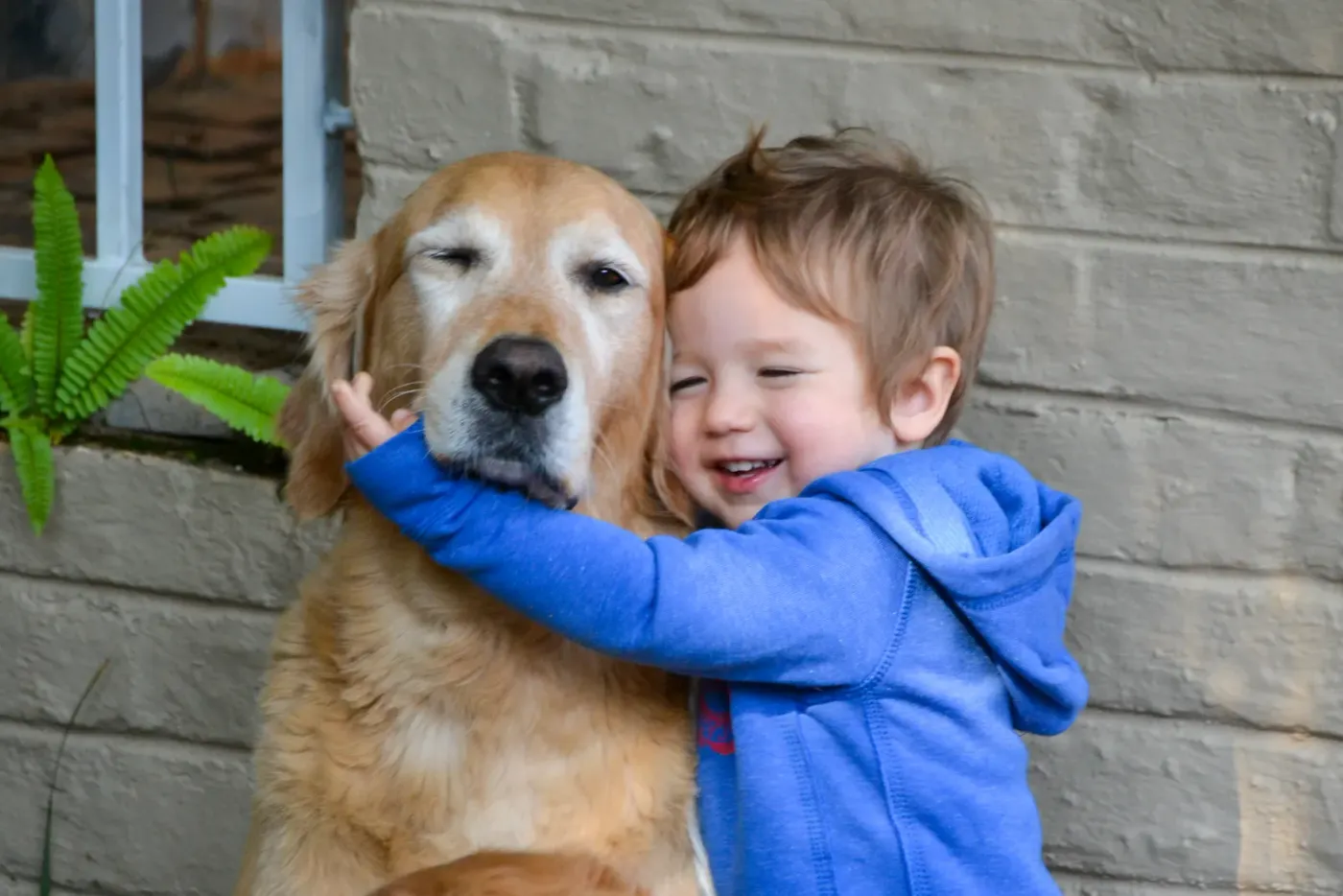
Children move fast, squeal, hug and stare, four things dogs find genuinely hard. So the rules bind the kids first: no hugging, no chasing, no climbing on the dog, no touching it while it eats or sleeps, and the crate is off limits, full stop. Greetings are structured: the child stands still, the dog approaches or does not, and an adult is within arm's reach every time. A kid tossing a treat on the floor beats a kid reaching for the head.
A dog with a fear history needs the same plan at half speed and double distance, and it needs you to take stiffness, whale eye and freezing seriously as requests for space. Never test a worried dog with a child. This is slow, readable work, and it is exactly what our one-on-one structure is for: board and train programs include structured socialization around people, and Private Training at $150 per session gives you a written weekly plan for the exposure work.
The programs
Extra hands for the introductions.
When the mix needs a professional read, these are the options.
W · One-hour session
Private Training
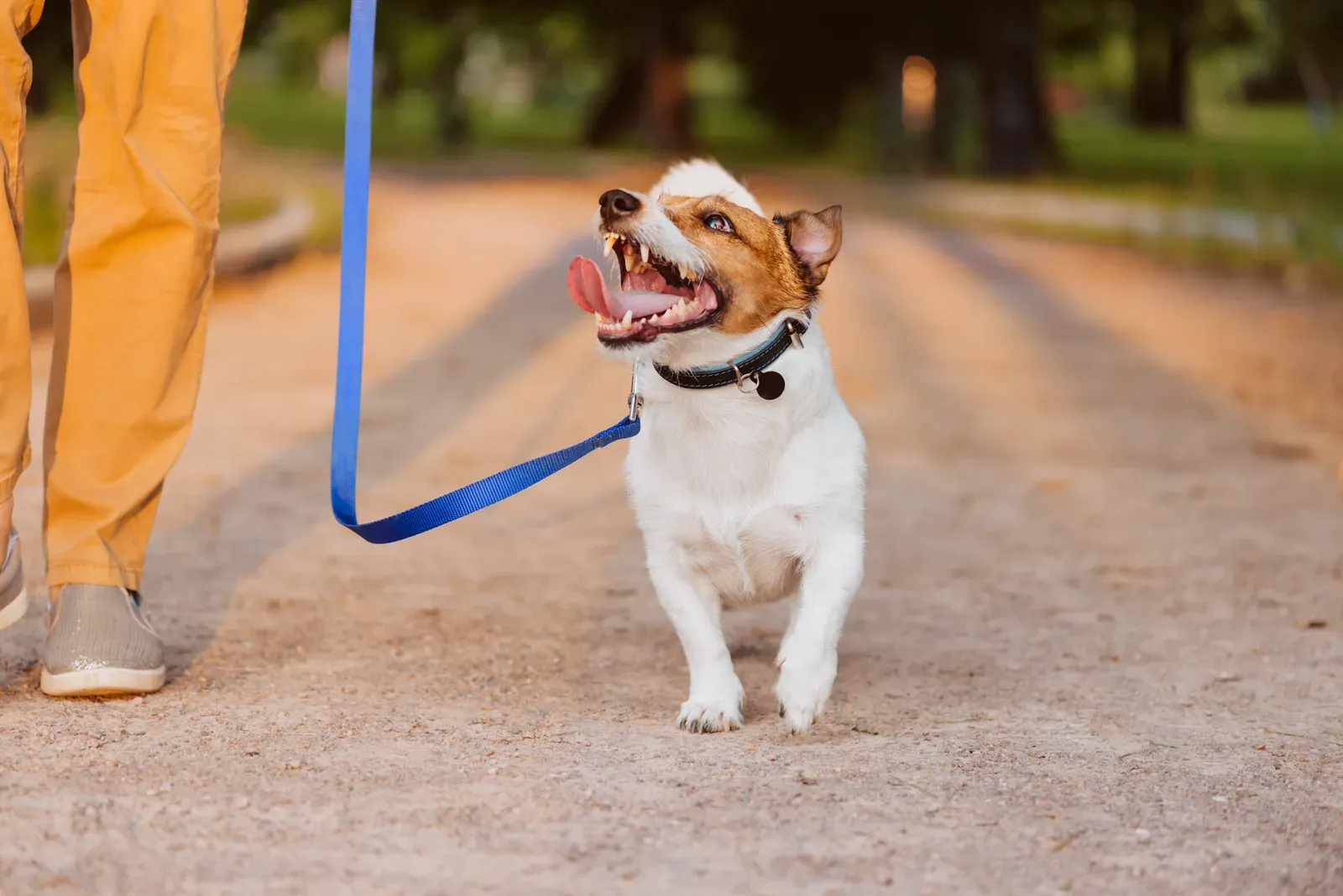
One-on-one coaching with you on the other end of the leash.
Includes a written weekly plan to work from
S · 5–6 week board & train
Behaviour Rehab
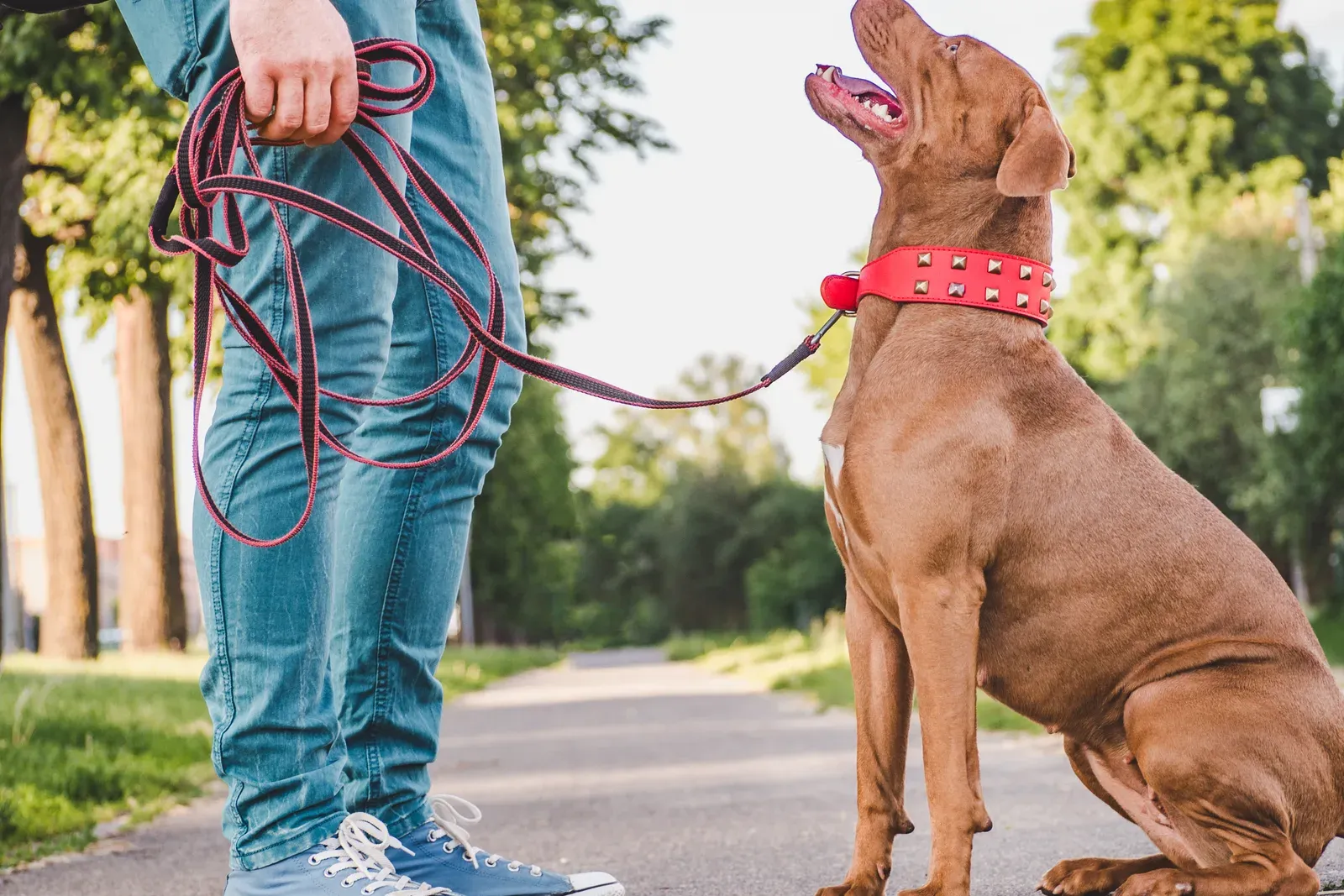
Kaitlin's specialty, and the work she loves most.
Includes assessment-built plan, 2 follow-ups, deep owner education
Asked and answered
The questions people ask us.
How do I socialize a dog with people?
Start at a distance where the dog can watch people and stay relaxed, and reward every calm glance. Let the dog choose whether to approach; never force a greeting. Over weeks, shrink the distance and vary the settings until strangers stop being events.
How do I socialize a dog with children?
Control the child's behaviour first: still body, quiet voice, no hugging or chasing, treats tossed rather than handed. Keep sessions short and supervised, and give the dog an exit and a kid-free crate. Comfort with adults comes first; children are the advanced class.
How do I get my dog to like people?
Aim for comfortable before affectionate. Pay the dog for noticing people calmly, protect it from unwanted handling, and let genuine liking develop through low-pressure repetition. Dogs pushed to be social usually go the other way.
How do I get my dog to like kids?
Liking comes after safety, so start with kids who can follow instructions and keep every session short. The dog learns at its own pace that children predict calm, good things. If your dog already avoids or growls at kids, stop greetings entirely and get a professional assessment first.
Keep reading
Want calmer greetings?
Tell us about your dog and the people in its life. Book a consultation and we will build the exposure plan.
From real owners
Rated 5.0 on Google.
Real Northline dogs