
The method
How to help a velcro dog be more independent
Some dogs follow you to the bathroom, the kettle, the recycling bin, and panic quietly if a door closes between you. Constant shadowing looks like devotion, but it often signals a dog who has never learned that being apart is safe. Independence is a skill like sit or recall: you can teach it deliberately, in small doses, before it becomes separation distress.
Last reviewed August 26, 2026
Distance on purpose
Teach staying put before you ask for staying alone.
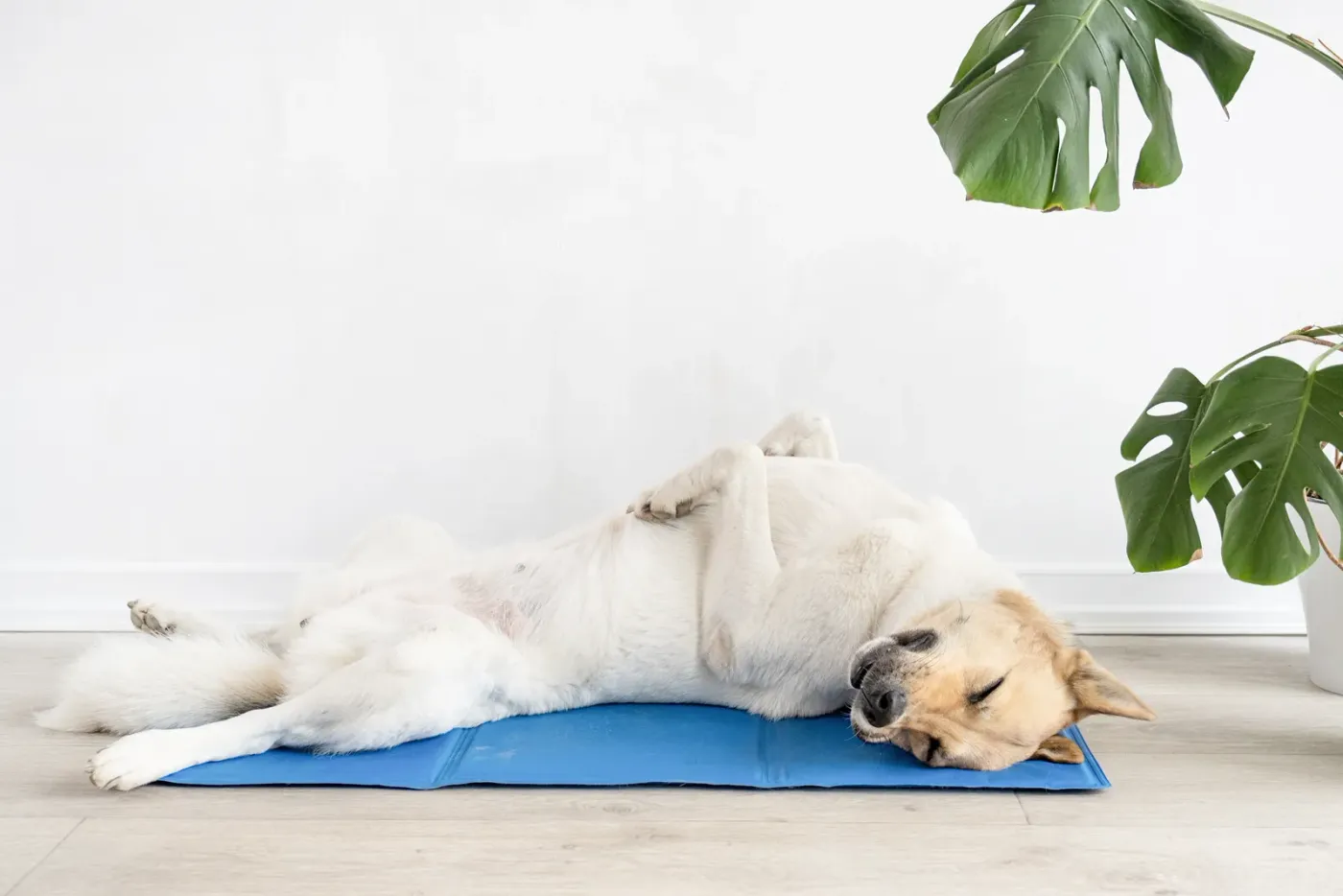
Start with a mat or place bed in the living room. Reward your dog for lying on it while you sit nearby, then while you stand, then while you take three steps toward the kitchen and come back. The return is the reward, so come back before he breaks. Over a week or two you are stretching a rubber band gently instead of snapping it.
Alongside mat work, run alone-time games. Toss a stuffed food toy in another room and close a baby gate for thirty seconds, then a minute, then five. Meanwhile, audit what the shadowing earns: if every trailing footstep buys a glance, a word or an absent-minded ear scratch, the habit is on a paycheque. Save your affection for the dog resting on his bed across the room.
- Mat work before door work
- Return before the dog breaks
- Departures predict chews and scatters
- No paycheque for following
Breeds and habits
Some dogs are bred to shadow you.
Velcro tendencies run strongest in dogs bred to work beside a person all day: herding breeds, many gundogs, and the small companion breeds whose entire historical job was a lap. For these dogs, following is not neediness so much as factory settings. That does not make independence impossible; it means you budget more repetitions and celebrate smaller wins than a naturally aloof dog would need.
Working from home quietly manufactures velcro dogs. A dog who has company from breakfast to bedtime never practises being alone, so the first real absence lands like an ambush. Build fake departures into ordinary days: shut the office door for a video call, leave for ten minutes without ceremony, come home without a party. Boring exits and boring returns are the kindest thing you can rehearse.
The programs
Help built for worried dogs.
Fear work rewards structure and patience. These are the formats that provide both.
W · One-hour session
Private Training
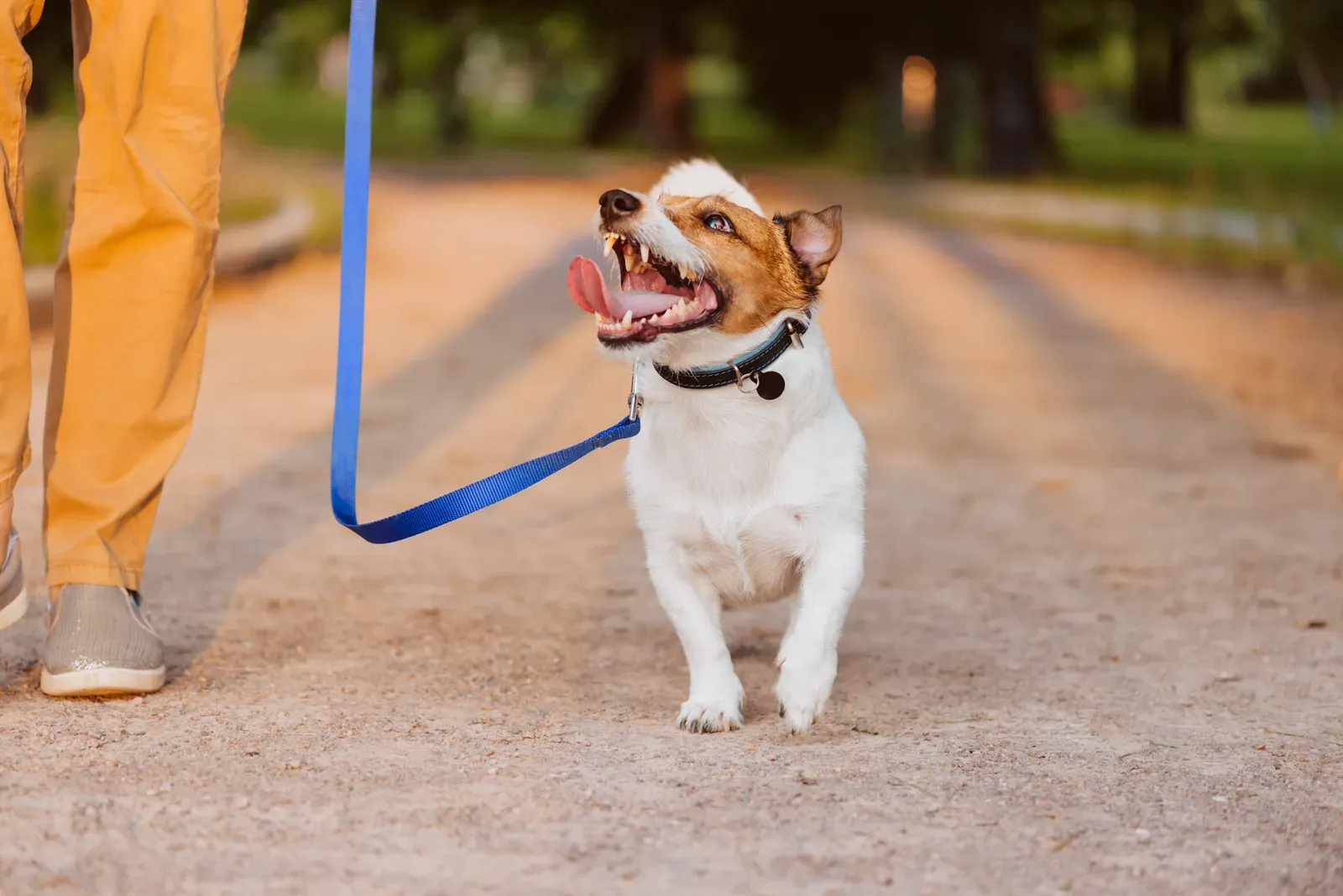
One-on-one coaching with you on the other end of the leash.
Includes a written weekly plan to work from
S · 5–6 week board & train
Behaviour Rehab
Kaitlin's specialty, and the work she loves most.
Includes assessment-built plan, 2 follow-ups, deep owner education
Asked and answered
The questions people ask us.
How do I train a velcro dog?
Teach place and duration first, then add your own movement in tiny slices: stand, step away, return, pay. Pair every departure with something worth chewing. The goal is a dog who hears you leave a room and thinks snack, not siren.
How do I teach my dog it's okay to be alone?
Alone-time is graded like any exercise: seconds behind a gate before minutes behind a door, always returning before distress starts. Keep exits and returns dull. If your dog already panics, drools or destroys things when left, skip ahead to professional help rather than repeating the panic.
How do I stop my dog from following me everywhere?
Stop paying it. Following that earns glances, chatter or petting will continue; following that earns nothing while settling earns everything fades on its own. A lick mat on his bed while you potter around speeds this up considerably.
How do I teach my dog independence?
Independence is layered: physical distance in the same room, then a barrier, then short true absences. Add one layer only when the last one is boring. Most shadowing improves noticeably within a few weeks of consistent mat work and unrewarded following.
Keep reading
Shadowed all day?
Behaviour Rehab and Private Training both tackle clingy, anxious patterns one-on-one. Book a consultation.
From real owners
Rated 5.0 on Google.
Real Northline dogs