
The method
How to help a dog with car anxiety
The dog who trembles at the jingle of car keys is not being dramatic. Something about the car predicts something bad: nausea, confinement, or a trip that ended at the vet. The fix depends on which one it is, so this guide starts with the diagnosis, then walks through graduated car sessions that work in a Calgary winter as well as a summer mountain run.
Last reviewed August 26, 2026
Diagnosis first
Motion sickness and fear look alike from the front seat.
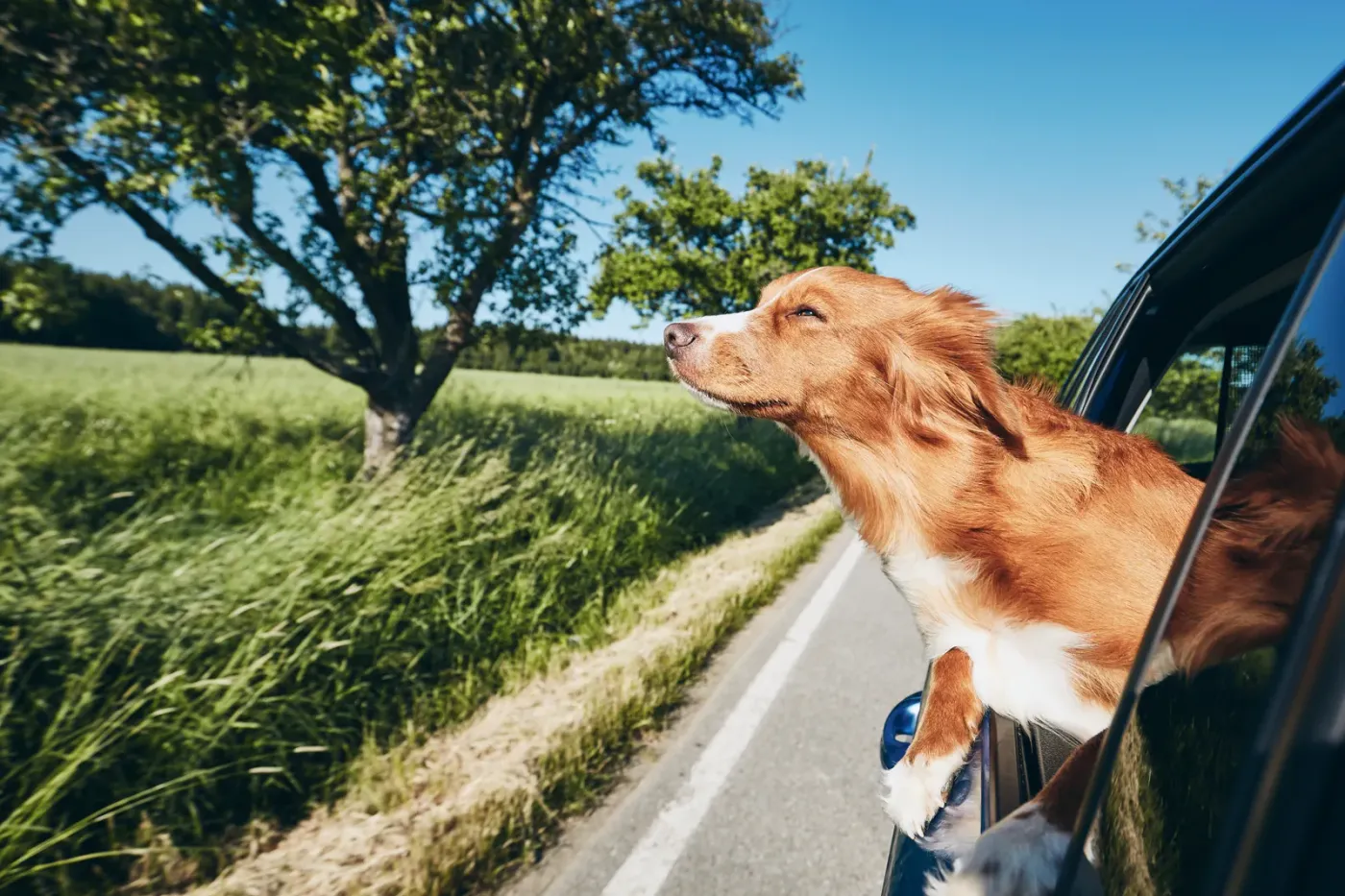
Watch where the trouble starts. A dog who drools, lip-licks and vomits once the car is moving, yet settles happily in a parked one, is likely motion sick: an inner-ear and stomach issue your vet can help with, especially in puppies who often outgrow it. A dog who pants, paces or refuses to load before the engine ever starts has learned to fear the car itself. Panting at a standstill is anxiety, not nausea.
For fear, shrink the car until it stops mattering. Feed meals beside the bumper for a few days, then in the open hatch, then inside with the engine off. Add a secured crate: dogs ride better in a den than sliding on a bench seat. First trips are five minutes and end somewhere worth arriving, an off-leash sniff or a favourite field, never the vet. One calm trip a day beats a white-knuckle highway hour.
- Parked-car calm rules out nausea
- Meals beside the car first
- Secured crate, not loose seat
- Five-minute trips, good destinations
Winter and mountains
Winter warm-ups and mountain roads change the plan.
Calgary adds a wrinkle: a January car is a cold, echoing box, and a shivering dog cannot learn to relax in it. Warm the vehicle before the dog loads, and avoid remote-starting while the dog is already inside, since the sudden rumble undoes quiet work. Keep midwinter sessions short. A dog that associates the back seat with being cold and trapped needs the crate pad, the warm air and the brief trip more than any command.
Mountain drives are the graduation exam: winding grades, long stretches and no easy exit if the dog unravels. Build up to them rather than starting with them. Bank plenty of easy city trips first, plan a break stop where the dog can sniff, stretch and drink, and keep the crate in place for the whole run. If car panic sits on top of wider anxiety, our Behaviour Rehab board and train, customized after a full assessment, rebuilds the foundation underneath it.
The programs
Help built for worried dogs.
Fear work rewards structure and patience. These are the formats that provide both.
W · One-hour session
Private Training
One-on-one coaching with you on the other end of the leash.
Includes a written weekly plan to work from
S · 5–6 week board & train
Behaviour Rehab
Kaitlin's specialty, and the work she loves most.
Includes assessment-built plan, 2 follow-ups, deep owner education
Asked and answered
The questions people ask us.
What are the symptoms of dog car anxiety?
Pacing, whining, drooling, trembling, refusing to jump in, and frantic scrambling once the car moves. The tell is timing: anxious dogs show stress before the engine starts, while motion-sick dogs look fine until the vehicle is underway. Many dogs have a bit of both.
Why does my dog pant in the car if it's not hot?
Panting without heat or exercise is a stress signal. In the car it usually means the dog is over threshold, so shorten the trips and drop back to easier steps. If the panting comes with drooling and vomiting, ask your vet about motion sickness first.
What are the best remedies for dog car anxiety?
The reliable remedy is training: graduated sessions that make the car boring, a secured crate, and short trips to good places. Wraps and supplements take the edge off some dogs but rarely fix the pattern alone. Your vet can advise on anti-nausea medication when sickness is part of it.
Can training actually fix dog car anxiety?
In most cases, yes, because the fear is learned and can be un-learned with enough calm repetitions. The dogs that stay stuck are usually being pushed too far too fast. When car panic is part of broader anxiety, a structured program with daily one-on-one work moves faster than weekend practice.
Keep reading
Dreading every drive?
Tell us what happens when the keys come out. Book a consultation and we will map the route back to easy trips.
From real owners
Rated 5.0 on Google.
Real Northline dogs