
The method
How to help a dog relax when left alone
The howling starts before you reach the elevator. Or the couch cushion pays the price by lunch. A dog that cannot settle alone is exhausting to live with and hard on the neighbours, but most of these dogs are not broken: they have just never been taught that your leaving is boring. Here is the teaching, step by step, and how to tell ordinary fuss from true separation anxiety.
Last reviewed August 26, 2026

Boring departures
Your exit ritual is the trigger, so scramble it.
Long before the door closes, your dog has read the signs: shoes, keys, coat, the same words in the same order. By the time you leave, the anxiety has been building for ten minutes. So scramble the script. Pick up your keys and sit back down. Put on your coat and make tea. Repeat until the cues predict nothing. When keys stop meaning abandonment, the dog stops rehearsing panic while you are still home.
Then build actual absences the way you would build any skill: in increments the dog can pass. Step out, count to twenty, come back before the whining starts, and keep your returns dull. Stretch to two minutes, then five, then a coffee run. Stack the deck first with a proper walk and a frozen food toy, because a dog with an empty tank and a full puzzle has better options than the window. Track your times; progress is rarely a straight line.
- Scramble keys-and-coat cues
- Absences grow by minutes
- Exercise before you leave
- Calm exits, calmer returns
Fuss or panic
True separation anxiety is a different animal.
There is a line between a dog that grumbles about your absence and a dog in genuine panic, and a camera will show you which one you have. Barking that tapers off, some pacing, then a nap: that is protest, and the graduated plan above will fix it. Drooling puddles, shredded door frames, hours of howling, house soiling from a house-trained adult, or a dog that hurts itself trying to escape points to true separation anxiety.
True separation anxiety needs more than a routine tweak, and pushing a panicking dog through longer absences makes it worse. This is where structured help earns its keep. Our Behaviour Rehab program, a five to six week board and train for anxiety cases at $4,850 to $5,760 plus GST after a full assessment, rebuilds the dog's ability to settle, then teaches you the handover. For milder cases, Private Training at $150 per session comes with a written weekly plan for your absences.

The programs
Help built for worried dogs.
Fear work rewards structure and patience. These are the formats that provide both.
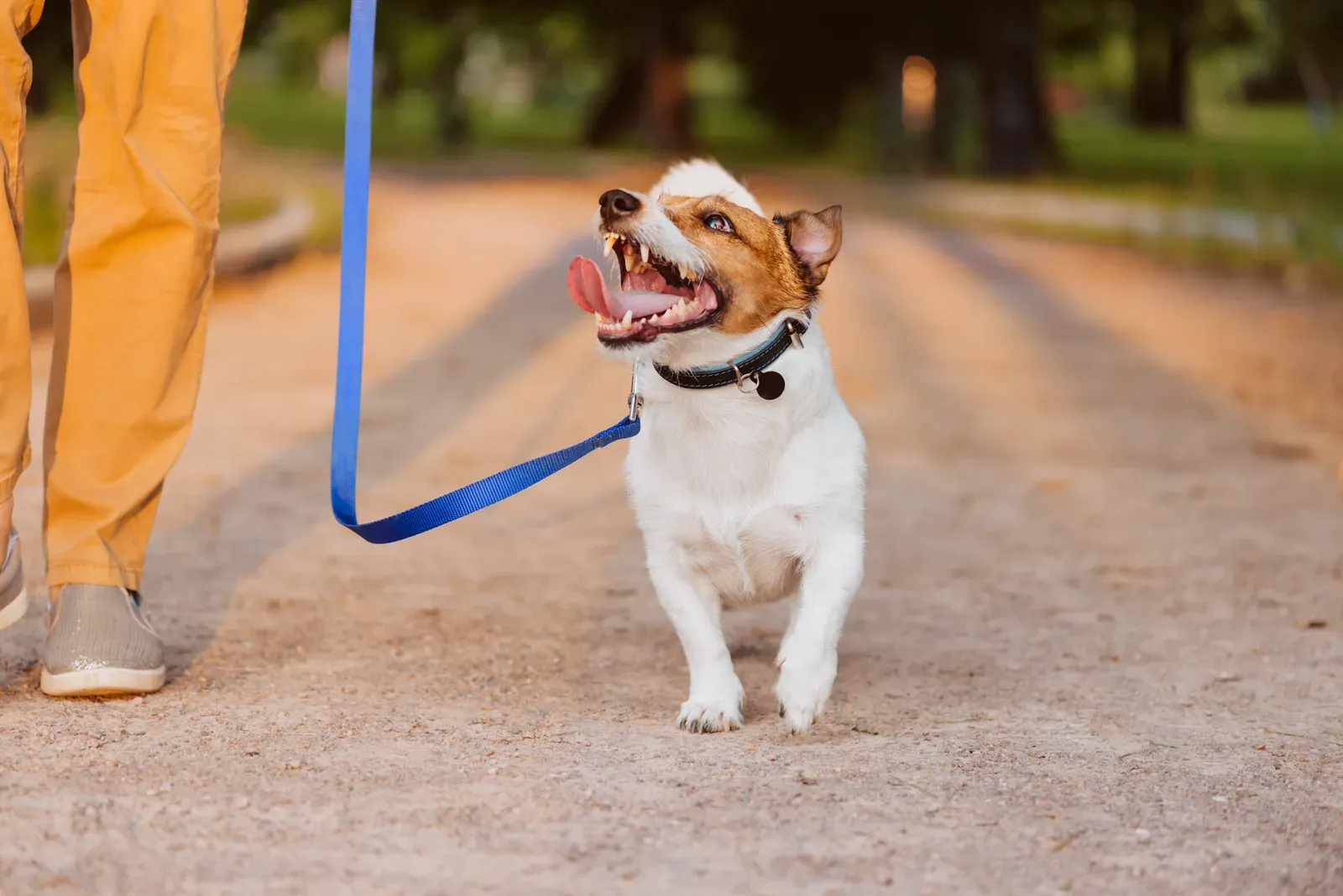
W · One-hour session
Private Training
One-on-one coaching with you on the other end of the leash.
Includes a written weekly plan to work from
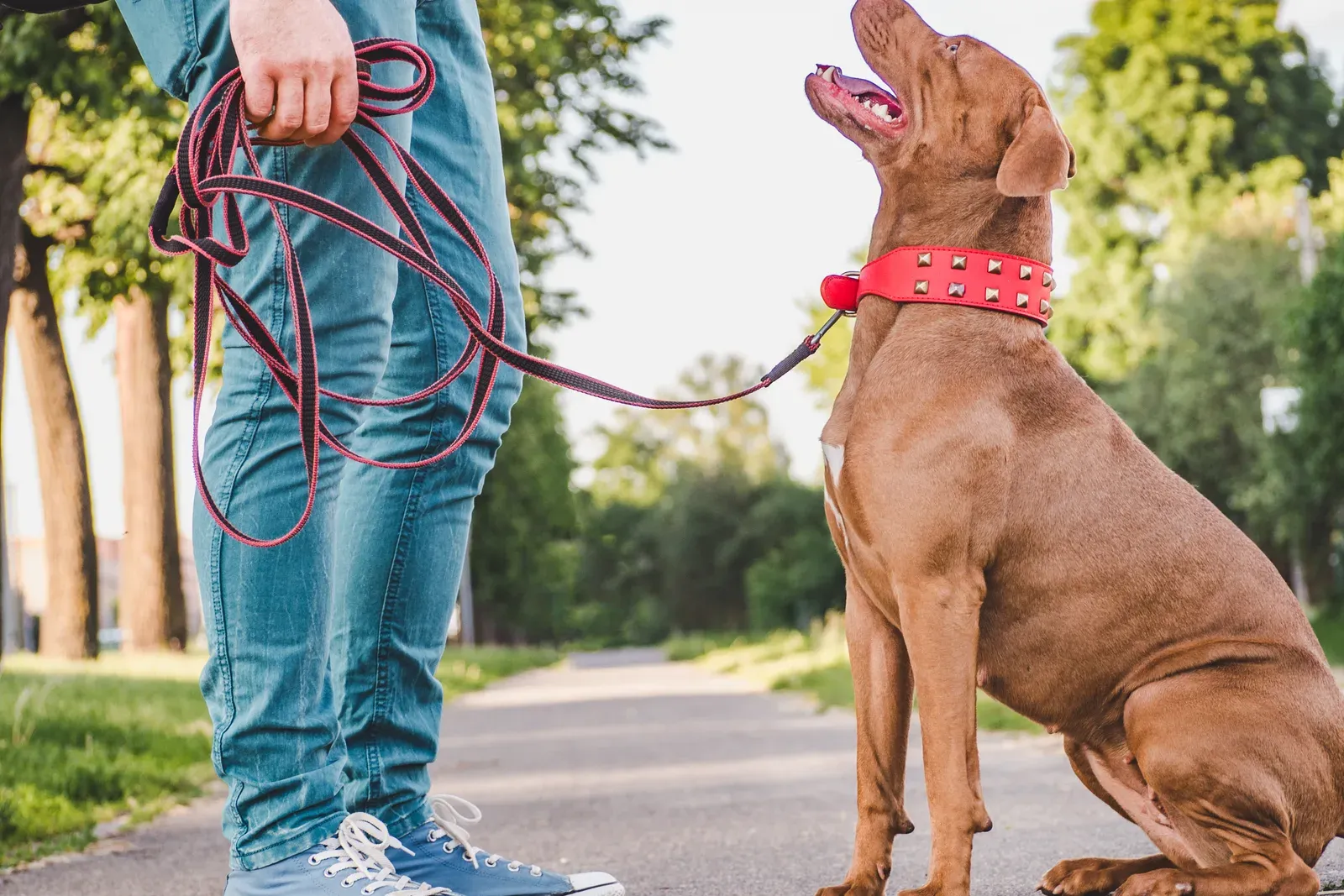
S · 5–6 week board & train
Behaviour Rehab
Kaitlin's specialty, and the work she loves most.
Includes assessment-built plan, 2 follow-ups, deep owner education
Asked and answered
The questions people ask us.
How do I get my dog to relax when I leave?
Make your departures boring and brief. Defuse the cue chain by handling keys and shoes without leaving, exercise the dog first, leave a food puzzle, and grow absences in steps small enough that panic never starts. Calm, low-key returns matter as much as calm exits.
How do I stop my dog from howling when I leave?
Howling is distress vocalizing, so punishing it after the fact does nothing. Shorten absences to a length the dog can handle silently, keep your comings and goings uneventful, and rebuild from there. A camera tells you whether the howling fades or escalates.
How do I stop my dog from freaking out when I leave?
First confirm what freaking out means: a few minutes of fuss is protest, while drooling, destruction at exits and self-injury are true separation anxiety. Protest responds to graduated absences and pre-departure work. Panic needs a professional plan, because repetition alone deepens it.
Can you train a dog to be left alone?
Yes, and it is easier to build than to repair. Teach a puppy or new dog to rest in a crate or pen while you move around the house, then while you step out. Alone time is a skill like sit: taught in small doses, rewarded often.
Keep reading
Tired of the howling?
Send us a video of what happens after you leave. Book a consultation and we will tell you which plan fits.
From real owners
Rated 5.0 on Google.
Real Northline dogs